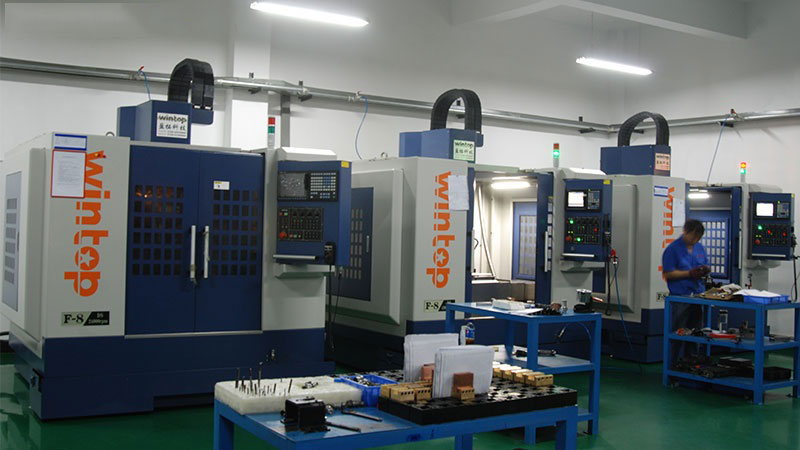
Author: moldcustomization

  • silicone mold factory: Best Suppliers & Quality Control 2026

    For overseas buyers, procuring high-quality molds from China represents a significant opportunity to enhance product development and manufacturing efficiency. The focus on a specialized **silicone mold factory** is particularly relevant for industries ranging from consumer goods and food to automotive and medical components. As we look toward 2026, the landscape is evolving, with a premium on precision, material integrity, and transparent partnerships. This guide cuts through the noise to provide a professional, actionable framework for identifying the best suppliers and implementing ironclad quality control protocols, ensuring your import project is a resounding success.

    The cornerstone of any successful import venture is rigorous supplier verification. Not all **China mold factory** listings are created equal. Begin your procurement process by moving beyond Alibaba storefronts. Investigate the factory’s business license, registered capital, and years in operation through official Chinese business verification platforms. For a **silicone mold factory**, specific certifications are non-negotiable. Prioritize suppliers with ISO 9001 for quality management systems and, critically, material-specific certifications like FDA, LFGB, or RoHS compliance, depending on your end-use. Demand a portfolio of past projects, specifically for silicone or similar soft molds, and request verifiable contact information for previous international clients. A legitimate factory will have no issue providing this evidence. This due diligence mitigates the primary risk of engaging with trading companies masquerading as manufacturers, ensuring you deal directly with the source of expertise.

    Once a shortlist of credible factories is established, defining and communicating your technical specifications with absolute clarity is the next critical step. Silicone molding differs substantially from hard **injection mold** processes, and your requirements must reflect this. Provide comprehensive 3D drawings (STEP or IGS format) with all critical dimensions, tolerances, and draft angles clearly called out. Specify the type of silicone required: Platinum-cure for high-detail, food-safe, or medical applications, or tin-cure for more cost-effective, general-purpose prototypes. Detail the required Shore hardness (e.g., A20 for very soft, A60 for firmer), color, expected production volume, and any post-curing needs. A professional **silicone mold factory** will review these specs and engage in a technical dialogue, often suggesting design for manufacturability (DFM) improvements to enhance mold life and part quality. This collaborative technical stage separates true partners from mere order-takers.

    The most pivotal phase of your engagement is the implementation of a proactive quality control plan, which must be agreed upon before contract signing and deposit payment. For 2026, best practices extend beyond final inspection. Insist on a staged QC protocol. First, a pre-production check should verify that the raw silicone material batches meet the certified standards. Second, define First Article Inspection (FAI) requirements upon mold completion: this involves producing initial samples, measuring them against your CAD data with a CMM report, and testing for functionality. Third, for production runs, specify sampling plans (e.g., AQL levels) for parts cast from the finished mold. Modern procurement mandates digital evidence. Require high-resolution photos and videos of the mold at each stage, from the finished mold block to sample casting and demolding. Consider engaging a reputable third-party quality inspection firm based in the factory’s region for an impartial final audit before shipment. This layered approach places you in control of the output.

    Navigating the commercial and logistical elements with foresight prevents costly misunderstandings. Ensure your contract explicitly covers intellectual property (IP) protection, stating that all molds, designs, and associated tooling are your exclusive property. Discuss payment terms that balance risk; a common structure is 50% deposit, 40% upon approval of FAI samples, and 10% before shipment. Be clear on the warranty period for the mold (e.g., 12 months against workmanship and material defects) and the terms for repair or replacement. Logistically, understand the shipping Incoterms (FOB, EXW, etc.) and factor in the cost and lead time for sea freight. A professional partner will handle export formalities efficiently, but you must prepare for import duties and customs clearance in your country. Keeping these commercial channels transparent and documented is as vital as the technical work.

    In conclusion, importing molds from a Chinese **silicone mold factory** in 2026 is a strategy defined by informed precision and managed partnerships. The journey from supplier verification to final shipment demands a methodical, detail-oriented approach that prioritizes evidence over assumption. By deeply vetting manufacturers, articulating precise technical specifications, enforcing a multi-stage quality control regime, and securing clear commercial terms, overseas buyers can unlock the immense value and expertise available. The goal is to transform a complex international procurement process into a seamless extension of your own R&D and production capabilities, resulting in superior molds that drive innovation and competitive advantage for years to come.

    Work With Us

    As a professional China mold manufacturer, we provide one-stop mold solution for overseas buyers.
    📞 Phone: +86-18605944639
    💬 WhatsApp: +8618605944639
    🌐 Website: bestmoldworks.com
    📧 Email: [email protected]
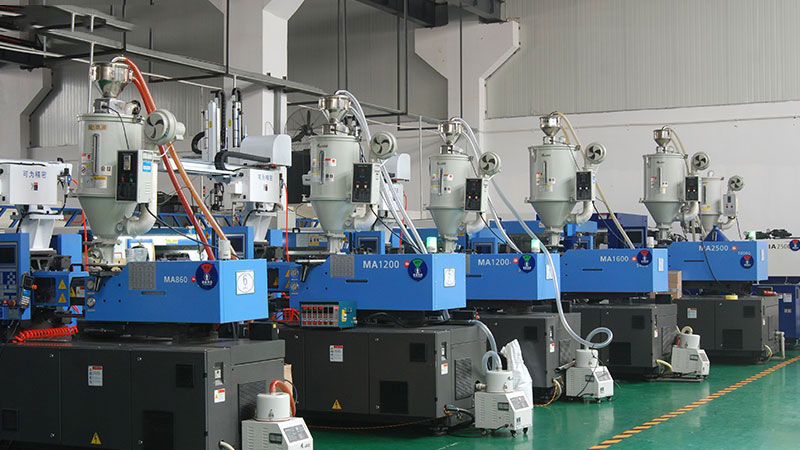
  • injection molding manufacturer in china: Professional 2026

    For global businesses, partnering with an injection molding manufacturer in China remains a cornerstone strategy for achieving cost-effective, scalable production. The landscape, however, is perpetually evolving. What worked in procurement five years ago may not suffice today, and the approach for 2026 demands greater professionalism, digital integration, and strategic oversight. This guide cuts through the noise to provide overseas buyers with actionable, current strategies for successfully sourcing high-quality injection molds and parts from China, transforming a complex process into a competitive advantage.

    Mastering Supplier Verification and Qualification

    The initial search will yield hundreds of potential partners, making rigorous verification non-negotiable. Move beyond Alibaba storefronts. A professional 2026 approach involves multi-layered verification. First, conduct digital due diligence: use Chinese business credit platforms like Tianyancha or Qichacha to confirm official registration, capital, and legal status. Second, demand evidence of technical capability specific to your project. Request detailed case studies, preferably with video walkthroughs of similar molds or parts being produced. Third, verify export experience; a supplier familiar with INCOTERMS, overseas logistics, and your market’s compliance standards will prevent foundational errors. This stage is not about finding a vendor, but qualifying a long-term technical partner.

    Implementing Proactive and Transparent Quality Control Protocols

    Quality control cannot be an afterthought or a mere final inspection. For professional procurement in 2026, it must be a structured, transparent process integrated from the design-for-manufacturability (DFM) stage onward. Insist on a defined Quality Control Plan (QCP) for your project. This should mandate critical checkpoints: material certification upon arrival at the China mold factory, first-article inspection (FAI) reports with 3D scan data (CMM reports) for the initial molded samples, and dimensional checks during the mold trial (T1, T2). Utilize third-party inspection services for unbiased validation at key milestones. Modern manufacturers should provide live video feeds of trials or inspections upon request. This transparency builds trust and catches issues early, when they are least expensive to correct.

    Navigating Technical Communication and Intellectual Property Protection

    Clear technical communication is the bedrock of a successful mold project. Professional engagement means moving all critical specifications to controlled documents: a comprehensive product drawing (with GD&T), a signed DFM report, and a detailed mold design review before steel is cut. Use collaborative tools that allow markups and revision tracking. Regarding Intellectual Property (IP), concerns are valid but manageable. Formalize protection through a well-drafted NNN Agreement (Non-Use, Non-Disclosure, Non-Circumvention) that is enforceable in Chinese courts, before sharing any technical data. Furthermore, choose a supplier whose business model aligns with yours; a reputable injection molding manufacturer in china focused on high-value, long-term partnerships has a vested interest in protecting your IP as a core asset.

    Strategic Sourcing: Balancing Cost, Lead Time, and Total Value

    The lowest quote is often the most expensive path. A professional 2026 mindset evaluates total cost of ownership. Analyze quotes meticulously: Are mold materials (e.g., pre-hardened steel vs. hardened steel) clearly specified? Is the mold base standard or customized? What is the projected lifespan (number of shots) of the injection mold? Understand the cost drivers. For production, discuss piece price based on different annual volumes to gauge scalability. Crucially, build a realistic timeline with buffer for revisions. Rushing the mold-making phase inevitably leads to quality compromises. The goal is to establish a partnership where the China mold factory is incentivized to deliver a robust, reliable mold that minimizes downtime and maintenance costs over its entire lifecycle, not just the cheapest initial tool.

    Building a Partnership for Scalability and Long-Term Success

    View your selected supplier not as a transactional entity but as an extension of your manufacturing arm. The most successful import relationships in 2026 will be collaborative. Discuss their capacity for future scaling, secondary operations (assembly, ultrasonic welding, painting), and supply chain stability for raw materials. Evaluate their investment in Industry 4.0 technologies—such as IoT-enabled machines or digital production monitoring—which can offer you greater visibility and consistency. Schedule regular strategic reviews beyond specific purchase orders. This partnership approach fosters better pricing, priority scheduling, and a supplier who is proactively invested in your product’s success, providing a formidable edge in your market.

    Conclusion

    Importing molds from China in 2026 requires a blend of traditional diligence and modern, connected strategies. The journey from supplier verification to consistent, high-volume production hinges on professional processes, transparent quality control, clear communication, and strategic partnership. By implementing these actionable steps, overseas buyers can confidently navigate the complexities of working with an injection molding manufacturer in china. The outcome is more than just a cost-effective mold; it is the establishment of a reliable, high-quality manufacturing pipeline that drives product innovation and business growth for years to come.

    Work With Us

    As a professional China mold manufacturer, we provide one-stop mold solution for overseas buyers.
    📞 Phone: +86-18605944639
    💬 WhatsApp: +8618605944639
    🌐 Website: bestmoldworks.com
    📧 Email: [email protected]
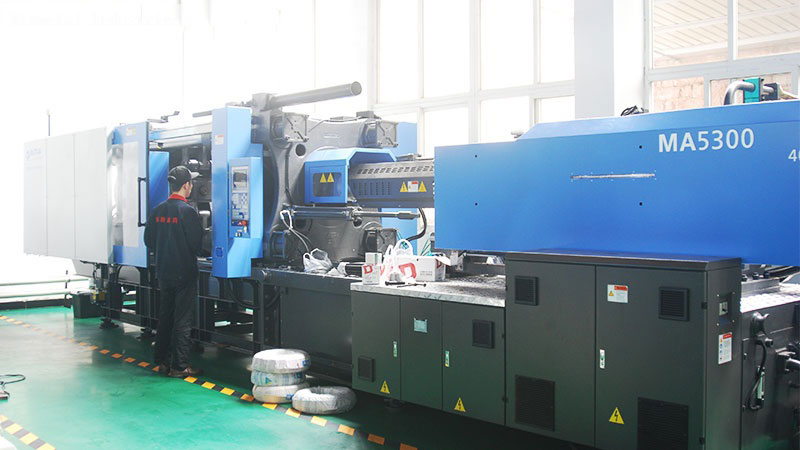
  • custom molded products: Professional Buying Guide 2026

    Navigating the procurement of custom molded products from China presents a significant opportunity for overseas businesses to achieve cost efficiency, scalability, and rapid product development. However, the journey from concept to a container of high-quality parts is fraught with potential complexities. For buyers in 2026, success hinges on a strategic, informed approach that moves beyond simple price comparison. This professional buying guide is designed to equip you with actionable insights and a structured framework to identify, vet, and collaborate with a reliable China mold factory, ensuring your project’s success from the first drawing to final production.

    The cornerstone of importing any custom molded product is the selection and creation of the injection mold itself. This initial tooling investment dictates part quality, production speed, and long-term unit cost. Begin by providing potential suppliers with exceptionally clear and detailed specifications. This includes comprehensive 3D CAD files (STEP or IGS), 2D drawings with critical tolerances and finish requirements, material specifications (including grade and color), and expected annual volumes. A professional China mold factory will review these for manufacturability (DFM) and provide feedback. In 2026, leading manufacturers utilize advanced simulation software to predict filling, cooling, and potential defects before cutting steel. Insist on seeing this analysis. Furthermore, clearly define mold ownership, storage terms, and maintenance responsibilities in your contract. A robust mold is not an expense; it is a capital asset that will yield returns for years.

    With your technical package ready, supplier verification becomes your most critical risk mitigation step. The landscape of Chinese manufacturers is vast, and distinguishing marketing prowess from manufacturing excellence is key. Start by verifying business licenses and export credentials. Move beyond Alibaba storefronts; request a virtual or, ideally, an in-person factory audit. Focus on their core competency: do they operate their own injection molding machines and have an in-house mold workshop, or are they merely trading agents? Examine their project portfolio for products similar in size, complexity, and industry to yours. In 2026, leverage video calls for real-time facility tours, and request contact information for existing overseas clients. A reputable supplier will have a track record of long-term international partnerships. Remember, the cheapest quote often carries hidden costs in delays, poor communication, and substandard quality.

    Effective procurement extends beyond agreeing on a price. It involves establishing a transparent and collaborative partnership. When negotiating, break down costs clearly: mold cost, sample cost, and piece part price at your target volumes. Understand payment terms; a common and balanced structure is 50% for mold fabrication, 40% upon sample approval, and 10% upon completion of the first production batch. Implement a milestone-based payment schedule tied to tangible deliverables like DFM report approval, T1 sample completion, and pre-shipment inspection. Utilize secure payment methods like Letters of Credit (L/C) or escrow services for large orders. Crucially, appoint a single, technically proficient point of contact on both sides to streamline communication and prevent misunderstandings that can derail timelines and specifications.

    Once production commences, proactive quality control is non-negotiable. Do not assume quality will match the approved samples. Implement a multi-stage inspection protocol. The first article inspection (FAI) on the initial samples from the production mold is essential to verify all dimensions and functions. For ongoing production, define an acceptable quality level (AQL) and hire a trusted third-party inspection company to conduct pre-shipment inspections at the factory. They will check for consistency in dimensions, weight, color, and surface finish against your master sample. For critical components, consider investing in dimension reports from a certified lab. A professional China mold factory will welcome and facilitate these checks, as it demonstrates their own confidence and commitment to quality. In 2026, some advanced suppliers offer real-time production monitoring via IoT-connected machines, providing unprecedented transparency into the manufacturing process.

    The final logistical and compliance steps ensure your custom molded products arrive smoothly and legally. Work closely with your supplier to ensure all commercial documents (proforma invoice, commercial invoice, packing list, and bill of lading) are accurate and consistent. Incorrect paperwork is a primary cause of customs delays. Understand the import duties, taxes, and regulations (like FDA, RoHS, or REACH) applicable in your destination country, and ensure your supplier provides all necessary test reports and certificates of compliance. Discuss packaging details to prevent damage during long-haul shipping, and consider ordering spare parts with your first production run to safeguard against future supply chain disruptions. A reliable partner will have experience shipping to your region and can offer valuable advice on Incoterms, typically recommending FOB or EXW for greater buyer control.

    Successfully importing custom molded products from China in 2026 demands a blend of technical diligence, rigorous partner verification, and strategic relationship management. By mastering the injection mold development process, conducting thorough supplier verification, structuring a transparent procurement agreement, enforcing stringent quality control, and meticulously planning logistics, you transform a complex overseas venture into a competitive advantage. The goal is to build a partnership with a China mold factory that acts as an extension of your own operations, driving innovation, quality, and value for your business for years to come. Approach your next project with this disciplined framework, and you will be well-positioned to capitalize on the immense manufacturing capabilities available.

    Work With Us

    As a professional China mold manufacturer, we provide one-stop mold solution for overseas buyers.
    📞 Phone: +86-18605944639
    💬 WhatsApp: +8618605944639
    🌐 Website: bestmoldworks.com
    📧 Email: [email protected]
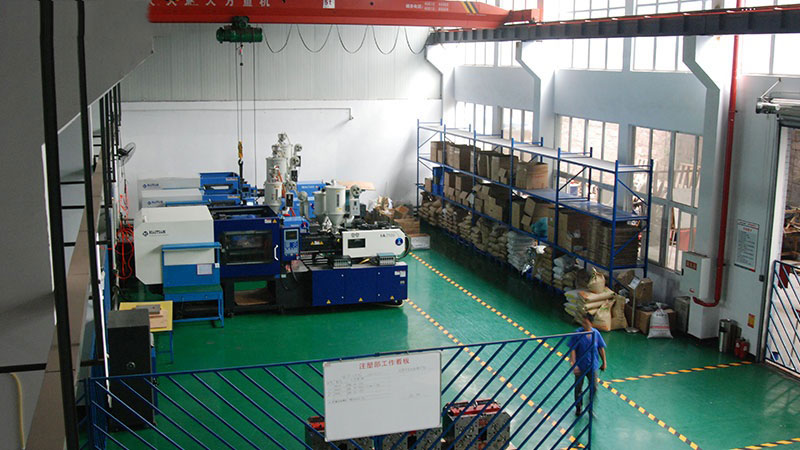
  • high quality mold: Expert Tips & Solutions 2026 | China Mold Factory

    For overseas buyers, sourcing a high quality mold from China represents a significant strategic advantage, offering unparalleled value and capability. However, the path to securing a reliable China mold factory that consistently delivers precision injection molds can be fraught with complexity. The challenge isn’t finding a manufacturer; it’s identifying a true partner who understands your specifications, quality benchmarks, and project timelines. This guide provides actionable, professional solutions for 2026, moving beyond generic advice to solve the real procurement problems you face, ensuring your investment yields a durable, precise, and cost-effective tool.

    The cornerstone of a successful import project is rigorous supplier verification. In 2026, due diligence must go deeper than a website and a price quote. Start by verifying business licenses and export credentials. Then, move to a technical audit. Request detailed case studies of molds similar to yours in complexity and material. Insist on a video tour of the factory floor; a reputable China mold factory will readily showcase their CNC machining centers, EDM equipment, and coordinate measuring machines (CMM). Pay close attention to their mold flow analysis capabilities—this software simulation is a non-negotiable indicator of a supplier investing in preventative quality measures, not just corrective fixes. This step filters out trading companies and under-equipped workshops, directing you to true engineering partners.

    Once a potential partner is identified, defining and controlling specifications becomes your primary tool for ensuring a high quality mold. Ambiguity is the enemy of quality. Your technical data package (TDP) must be exhaustive. Beyond part drawings, include explicit requirements for mold steel grade (e.g., pre-hardened 718H, stainless 420), surface finishes (SPI standards), tolerance bands for critical features, and expected cycle life. For injection molds, specify gate type and location, cooling channel layout, and ejection system details. Implement a phased approval process with digital sign-offs at critical stages: after mold flow analysis, upon completion of the mold base machining, and after first article sampling. This structured approach aligns expectations and provides formal checkpoints to catch deviations early.

    Proactive quality control integrated throughout the manufacturing process is what separates good suppliers from great ones. Do not settle for “final inspection only” protocols. Require in-process inspection reports with photographic evidence. Key milestones include steel material certification, cavity and core machining reports, and hardness testing results. For the final acceptance, the Factory Acceptance Test (FAT) is crucial. Your protocol should include actual shot samples from the mold using production-grade material, dimensional report from a CMM, and documentation of all mold movements and functions. Many leading buyers now employ third-party quality inspection services for an unbiased FAT, providing an extra layer of security before the mold is shipped. This hands-on, evidence-based verification is your ultimate safeguard.

    The true test of a China mold factory’s commitment is their post-sales support and long-term partnership approach. A high quality mold is not just a product delivered; it’s a service agreement. Clarify terms for warranty (typically 12-18 months against workmanship and material defects), and the process for handling wear and tear or damage. Understand their policy on design modifications and future mold maintenance. A reliable partner will offer clear communication channels for technical support and keep your mold drawings and data on file for efficient future service. This long-term perspective transforms a transactional procurement into a strategic alliance, ensuring your mold remains productive for its entire lifespan and reducing total cost of ownership.

    Successfully importing a precision injection mold from China in 2026 demands a methodical, knowledge-driven approach. It hinges on moving beyond price-centric conversations to focus on technical capability, transparent processes, and verifiable quality control. By mastering supplier verification, defining crystal-clear specifications, implementing rigorous in-process and final inspections, and securing robust post-sales terms, you mitigate risk and maximize value. The goal is to build a relationship with a China mold factory that views your success as their own, delivering not just a tool, but a foundation for your manufacturing excellence. With these expert solutions, you are equipped to navigate the procurement landscape with confidence and secure the quality your projects demand.

    Work With Us

    As a professional China mold manufacturer, we provide one-stop mold solution for overseas buyers.
    📞 Phone: +86-18605944639
    💬 WhatsApp: +8618605944639
    🌐 Website: bestmoldworks.com
    📧 Email: [email protected]
  • custom injection mold maker near me: Expert Tips & Sol 2026

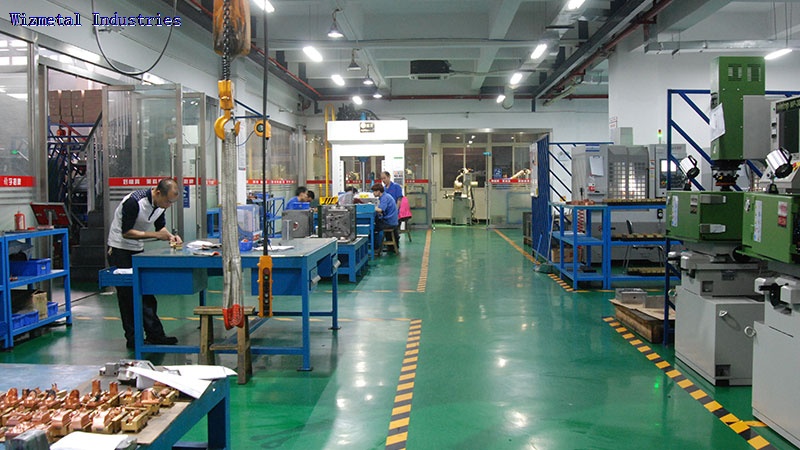
    For overseas buyers, the search for a “custom injection mold maker near me” often concludes not with a local factory, but with the realization that China offers the optimal blend of technical expertise, scalability, and cost efficiency. However, procuring high-quality injection molds from across the globe presents distinct challenges. The physical and cultural distance can amplify risks in supplier verification, communication, and quality control. This guide provides actionable, forward-looking strategies for 2026, designed to help you navigate the procurement process confidently and secure a reliable partnership with a top-tier China mold factory.

    The cornerstone of successful import is rigorous supplier verification. Moving beyond a simple Alibaba listing is non-negotiable. In 2026, due diligence must be multi-faceted. Start with a deep digital audit: scrutinize the supplier’s professional website for technical case studies, machine lists (look for modern CNC, EDM, and injection molding equipment), and certifications like IATF 16949 for automotive or ISO 13485 for medical. Utilize video verification platforms; insist on a real-time video tour of the factory floor to assess cleanliness, organization, and workforce expertise. Crucially, check business licenses via third-party verification services and ask for references from their existing overseas clients. A reputable China mold factory will be transparent and proactive in providing this information, establishing a foundation of trust before any contract is signed.

    Once a potential partner is identified, mastering the technical and commercial quotation phase is critical. A professional custom injection mold maker near me will provide a detailed breakdown, and you should expect the same from your Chinese counterpart. Provide a comprehensive RFQ package including a 3D model (STEP or IGES), 2D drawings with critical tolerances, material specifications (e.g., POM, ABS, PC), and expected annual volumes. Analyze the quotation not just on total price, but on the breakdown: mold base steel type (e.g., S136, P20), cavity and core material, number of cavities, cooling system design, and ejection method. Discuss post-mold services like sampling, maintenance, and spare parts. Clarify Incoterms (FOB Shanghai is common) and payment terms (e.g., 50% deposit, 40% after T1 sample approval, 10% before shipment). This clarity prevents costly misunderstandings and aligns expectations from the outset.

    Proactive quality control, integrated from the very beginning of the mold manufacturing process, is your most powerful risk mitigation tool. Do not wait for the finished product to inspect. Implement a staged inspection protocol (DPI). Key stages include: a design review meeting (DFM report) to optimize the mold for manufacturability and function, a first article inspection of the mold steel components before heat treatment, and a critical T1 sample evaluation with full CMM reports and dimensional checks. Partner with a local third-party quality inspection firm familiar with mold and plastic part measurement. They can conduct these in-process checks, provide objective data, and act as your eyes on the ground. This approach transforms quality control from a reactive final gatekeeping step into a collaborative, value-adding process throughout the injection mold development cycle.

    Effective communication and project management bridge the geographical divide. In 2026, leverage technology to create a seamless workflow. Establish a single point of contact on both sides who is technically proficient. Use professional collaboration tools like shared cloud folders for drawings and reports, and platforms like Zoom or Teams for weekly scheduled update meetings, which should be held in the morning China time for overlap. During these meetings, review action items, upcoming milestones, and address any concerns immediately. Document all agreements and changes formally. Understanding cultural nuances—such as the Chinese holiday calendar (e.g., Chinese New Year, Golden Week) and building *guanxi* (relationship) through respect and patience—significantly smooths the procurement journey. A professional supplier will appreciate structured, clear communication as much as you do.

    Finally, view your engagement as a strategic partnership, not a one-off transaction. A successful first project paves the way for long-term benefits. After the mold is completed and samples are approved, discuss the mold trial report and final adjustments. Ensure you receive all deliverables: final 3D data, 2D drawings of the mold, maintenance manuals, and a spare parts list. Discuss the protocol for future mold modifications or repairs. A reliable partner will support you throughout the production lifecycle of your injection mold. By demonstrating reliability as a buyer—through timely payments, clear feedback, and reasonable requests—you position yourself as a valued client, which often translates to prioritized service and better collaboration on future projects.

    In conclusion, while the search for a “custom injection mold maker near me” may lead you overseas, the path to success is paved with meticulous preparation and modern procurement strategies. The landscape in 2026 demands a focus on digital verification, technical clarity, integrated quality control, disciplined communication, and a partnership mindset. By implementing these expert tips, you can confidently tap into the advanced manufacturing capabilities of a China mold factory. This transforms the perceived challenge of distance into your greatest competitive advantage, securing not just a mold, but a robust supply chain asset that delivers quality, value, and innovation for years to come.

    Work With Us

    As a professional China mold manufacturer, we provide one-stop mold solution for overseas buyers.
    📞 Phone: +86-18605944639
    💬 WhatsApp: +8618605944639
    🌐 Website: bestmoldworks.com
    📧 Email: [email protected]
  • injection mold china manufacturers: Expert Tips & Sol 2026

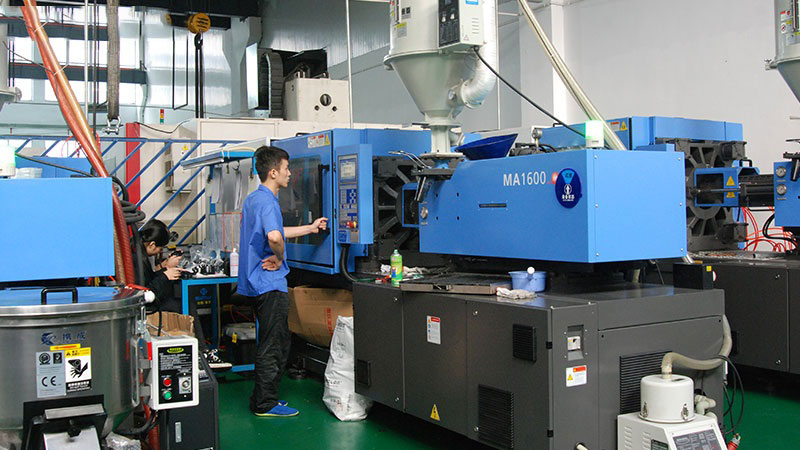
    For overseas businesses, partnering with injection mold China manufacturers represents a significant strategic advantage, offering unparalleled cost efficiency and scalable production capabilities. However, the journey from initial inquiry to receiving a perfect, production-ready mold is fraught with potential challenges. Miscommunication, hidden costs, and quality discrepancies can quickly erode the anticipated savings. This guide, focused on actionable insights for 2026, is designed to equip you with professional strategies to navigate the procurement landscape successfully. We move beyond generic advice to solve the real, pressing problems faced by international buyers when sourcing from a China mold factory.

    The cornerstone of a successful import project is rigorous supplier verification. In 2026, due diligence must extend far beyond a cursory glance at a company website. Start by verifying business licenses and export credentials. Utilize video calls to conduct virtual factory tours; a reputable injection mold manufacturer will readily showcase their workshop, machinery, and ongoing projects. Pay close attention to the types of injection molding machines and mold-making equipment like CNC, EDM, and wire-cutting machines. Crucially, request and contact past overseas clients. A reliable supplier will have a portfolio of successful international collaborations. Furthermore, assess their engineering team’s capability. Can they provide Design for Manufacturability (DFM) feedback? A proactive partner who identifies potential design flaws before tooling begins is invaluable and saves considerable time and cost.

    Once a potential partner is identified, mastering the quotation and contract phase is critical. A vague quote is a precursor to problems. Insist on a detailed, line-item breakdown that includes mold base material and hardness, steel grade for cavities and cores, number of cavities, surface finish, expected cycle life, and all ancillary costs like transportation and documentation. Clearly define the mold trial process: how many trial sessions are included, who covers the cost of trial materials, and how sample parts will be shipped. The contract must explicitly state ownership of the mold design and tooling. Include milestone-based payments tied to clear deliverables: deposit upon order, payment after mold design approval, payment after successful T1 sample approval, and final payment before shipment. This structure aligns interests and provides leverage at each stage.

    Implementing a robust, multi-stage quality control protocol is non-negotiable. Do not rely solely on final inspection. For injection mold procurement, key inspection points are pre-shipment. First, conduct a Data Check on the mold design before manufacturing begins. Second, insist on First Article Inspection (FAI) after the initial mold trial (T1). This involves a comprehensive dimensional report comparing the sample parts against your CAD drawings. Third, schedule a Pre-Shipment Inspection (PSI) when the mold is complete and final samples are produced. This verifies the mold’s workmanship and the quality of the output. Consider hiring a local third-party quality control agency familiar with mold inspection to act as your eyes on the ground. Their report provides an objective assessment before the mold leaves the factory, which is far easier to address than after international shipment.

    Effective communication and project management bridge the geographical and cultural gap. Designate a single point of contact on both your team and the supplier’s to streamline communication. Use visual aids extensively; marked-up drawings, screenshots, and short video clips are more effective than lengthy emails for clarifying issues. Be mindful of time zones and establish overlapping working hours for real-time discussions. Furthermore, understand that the concept of “standard” can vary. Specify every requirement, from the type of fittings and cooling line connectors to the mold marking and packaging for export. Professional injection mold China manufacturers appreciate clear, detailed instructions as they reduce the risk of rework. Utilize project management tools or shared spreadsheets to track open issues, action items, and deadlines, ensuring transparency for all stakeholders throughout the build cycle.

    The landscape of manufacturing is continuously evolving, and forward-thinking buyers are positioning themselves for the future. In 2026, leading China mold factories are increasingly integrating Industry 4.0 technologies. Inquire about their capabilities in mold monitoring and data collection. Molds equipped with sensors can provide valuable data on performance, wear, and maintenance needs, optimizing your production line overseas. Additionally, discuss their approach to sustainability, such as energy-efficient molding processes or material optimization, which can enhance your own supply chain’s ESG credentials. Building a relationship with a manufacturer who invests in such technologies signals a partnership geared for long-term innovation and efficiency, not just short-term cost savings.

    Successfully importing from injection mold China manufacturers is a systematic process of verification, clear communication, and proactive quality management. The solutions outlined for 2026 emphasize a shift from a purely cost-centric approach to a partnership and value-driven model. By meticulously verifying your supplier, defining all terms transparently, implementing staged quality controls, managing the project with clarity, and aligning with technologically advanced partners, you transform potential risks into a reliable competitive advantage. The goal is not merely to purchase a tool but to establish a collaborative relationship with a China mold factory that delivers precision, consistency, and value, forming the foundation for your product’s success in the global market.

    Work With Us

    As a professional China mold manufacturer, we provide one-stop mold solution for overseas buyers.
    📞 Phone: +86-18605944639
    💬 WhatsApp: +8618605944639
    🌐 Website: bestmoldworks.com
    📧 Email: [email protected]
  • custom injection molding companies: Best Suppliers & 2026

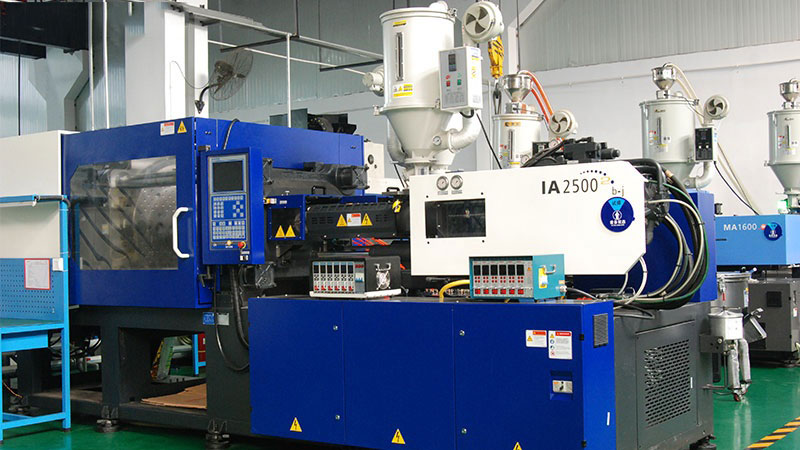
    For overseas buyers, sourcing from custom injection molding companies in China represents a significant opportunity for cost efficiency, scalability, and technical capability. However, navigating this complex landscape to identify truly reliable partners requires a strategic approach. The year 2026 will see increased competition and higher expectations for quality and sustainability, making a diligent procurement process more critical than ever. This guide provides actionable insights to help you verify, select, and collaborate with top-tier Chinese mold manufacturers, transforming potential challenges into a streamlined supply chain advantage.

    The foundation of a successful import project lies in meticulous supplier verification. Moving beyond a simple online directory search is paramount. Begin by shortlisting potential China mold factory candidates based on their stated specializations—whether in automotive, medical, consumer electronics, or high-precision components. Scrutinize their digital footprint: a professional website with detailed case studies, technical data, and clear process explanations is a positive indicator. Utilize third-party verification platforms to check business licenses, export history, and registered capital. Crucially, initiate a video conference to conduct a virtual factory tour. This allows you to assess their machinery, workshop organization, and engineering team firsthand. Request and contact references from their existing overseas clients, specifically those in your region or industry, to gain unfiltered feedback on communication, problem-solving, and adherence to timelines.

    Once a potential partner is identified, the focus shifts to technical alignment and transparent costing. A professional injection mold supplier will engage deeply in the Design for Manufacturability (DFM) process. Provide your initial 3D files and expect detailed feedback aimed at optimizing part design for moldability, durability, and cost-effectiveness without compromising function. A clear, itemized quotation is a sign of professionalism. This should break down costs for the initial injection mold tooling (including materials like pre-hardened steel or stainless steel, number of cavities, and expected lifespan) and the per-unit piece price for mass production. Be wary of quotes that seem abnormally low, as they often signal compromises in mold steel quality, machining precision, or post-processing. Understanding this breakdown is essential for calculating your long-term ROI and avoiding hidden costs during production scaling.

    Proactive and structured quality control is non-negotiable when managing offshore production. Your agreement with the China mold factory must define quality standards explicitly, referencing international protocols like ISO 9001 or specific industry certifications (e.g., IATF 16949 for automotive). The quality gate process should be contractually agreed upon. This typically includes a First Article Inspection Report (FAIR) after initial sample production, using Coordinate Measuring Machine (CMM) data and material certification to validate the injection mold. Before full production commences, a Pre-Production Sample (PPS) should be approved. For ongoing orders, specify the frequency and method of in-process and final random inspections. Many buyers engage a trusted third-party quality inspection service within China to conduct audits during critical production stages, providing an objective layer of oversight and mitigating the risk of defective shipments.

    Effective communication and project management form the glue that holds the international procurement process together. Establish a single point of contact on both sides, preferably project managers with technical English proficiency. Implement a structured update schedule using shared platforms for tracking milestones: mold design approval, mold trial dates, sample shipment, and production schedules. Utilize collaborative tools for sharing drawings and revisions. Cultivate a partnership mindset; view your supplier as a technical extension of your team. Clearly communicate your expectations, but also be open to their manufacturing expertise. Planning for logistics and understanding Incoterms 2020 (like FOB, EXW, or DDP) is also crucial. Determine responsibilities for mold ownership, storage, and maintenance after production runs to avoid future disputes.

    As we look toward 2026, leading custom injection molding companies are increasingly integrating sustainable practices and advanced technologies. Forward-thinking buyers should consider a supplier’s approach to energy-efficient machinery, material recycling programs, and compliance with evolving environmental regulations. Furthermore, inquire about their capabilities in smart manufacturing, such as using IoT sensors for process monitoring, which enhances consistency and traceability. Building a relationship with a supplier who invests in such future-ready infrastructure will secure not just today’s order but a resilient partnership for the years ahead.

    In conclusion, successfully importing injection molds from China is a systematic endeavor that rewards diligence. By implementing rigorous supplier verification, demanding technical collaboration, enforcing stringent quality control protocols, and fostering clear communication, overseas buyers can confidently tap into China’s manufacturing prowess. The landscape for 2026 will favor those who move beyond transactional relationships to build strategic, transparent partnerships with verified injection mold specialists. The goal is not merely to find a vendor but to integrate a capable and reliable China mold factory into your product development and supply chain, ensuring quality, value, and competitive advantage in your market.

    Work With Us

    As a professional China mold manufacturer, we provide one-stop mold solution for overseas buyers.
    📞 Phone: +86-18605944639
    💬 WhatsApp: +8618605944639
    🌐 Website: bestmoldworks.com
    📧 Email: [email protected]

  • Silicone mold customization: Professional Buying Guide 2026

    For overseas buyers and product developers, mastering the procurement of custom silicone molds from China remains a cornerstone for innovation and competitive advantage. The landscape of silicone mold customization is evolving rapidly, with advancements in materials, precision manufacturing, and digital collaboration reshaping the buyer’s journey. This 2026 professional buying guide is designed to cut through the complexity, offering actionable strategies to navigate the Chinese manufacturing ecosystem confidently. We will focus on solving real procurement challenges, from initial supplier verification to final quality control, ensuring your project transitions from concept to high-quality production seamlessly.

    Conducting Meticulous Supplier Verification and Qualification

    The foundation of a successful silicone mold customization project lies in selecting the right China mold factory. In 2026, verification goes beyond a basic website check. Start with a deep-dive into the supplier’s specialization. A factory proficient in injection mold for hard plastics may not excel with liquid silicone rubber (LSR) or high-precision platinum-cure silicone molds. Request detailed case studies and client references, specifically for silicone projects. Utilize video conferencing for virtual factory tours, paying close attention to their cleanroom environments for food-grade or medical-grade silicone mold customization and their handling of LSR injection molding machines. Verify certifications relevant to your end-market, such as ISO 9001, FDA, LFGB, or USP Class VI for medical applications. This rigorous vetting process mitigates risk and aligns you with a partner whose expertise matches your technical requirements.

    Mastering Technical Communication and Prototyping

    Clear technical communication is the single greatest barrier and opportunity in overseas procurement. To solve this, develop a comprehensive technical data pack. This should include not just 3D CAD files (preferably in STEP or IGES format) but also a detailed product specification sheet. Specify the silicone type (e.g., LSR, HTV), Shore hardness, required temperature resistance, color, and any certifications needed. Include images or samples of desired surface finishes (glossy, textured, matte). Insist on a prototyping phase before full production. A reputable supplier will offer 3D-printed or soft prototype molds for form and fit testing. This stage is non-negotiable for silicone mold customization as it allows for functional testing of the mold design, material flow, and demolding angles, preventing costly revisions during mass production. Effective communication here turns abstract ideas into tangible, approved samples.

    Implementing a Robust Quality Control Framework

    Proactive quality control is what separates professional procurement from hopeful ordering. Do not relegate QC to a final pre-shipment inspection. Implement a multi-stage QC protocol. Define and agree upon Critical-to-Quality (CTQ) parameters with your supplier upfront, such as dimensional tolerances, absence of flash or seams, consistency of silicone curing, and durability over a specified number of cycles. Employ a third-party quality inspection service for key stages: First Article Inspection (FAI) after the prototype mold is produced, During Production Inspection (DPI) to monitor consistency, and Final Random Inspection (FRI) before shipment. This layered approach provides continuous oversight. For silicone products, specific tests like tear strength, elongation at break, and compression set should be stipulated in your quality agreement to ensure the molds produce parts that meet functional longevity requirements.

    Navigating Logistics, IP Protection, and Total Cost Analysis

    The final hurdles in your procurement journey involve protecting your assets and managing logistics efficiently. For Intellectual Property (IP) protection, work with a legal professional to draft a robust Non-Disclosure Agreement (NDA) and a product-specific confidentiality agreement before sharing any technical data. Consider registering your design in China where possible. Regarding logistics, factor in the volumetric weight of silicone molds, which can be substantial. Discuss incoterms (e.g., FOB, EXW) clearly with your China mold factory to understand cost and responsibility divisions. In 2026, a true cost analysis must include more than unit price: account for mold tooling costs, sampling fees, payment terms, inspection costs, shipping, import duties, and potential costs for mold maintenance and storage. A transparent supplier will help you understand this total cost structure, ensuring no hidden surprises and facilitating smoother customs clearance for your shipment.

    Building a Partnership for Long-Term Success

    View your chosen supplier not as a transactional vendor but as a strategic manufacturing partner. A successful initial project for silicone mold customization paves the way for ongoing collaboration. Discuss their capacity for mold maintenance, repair, and future design modifications. A reliable partner will provide insights into material innovations and design for manufacturability (DFM) suggestions that can enhance your product and reduce costs over time. Establish clear communication channels and periodic review meetings. This long-term perspective fosters trust, leads to priority service, and creates a resilient supply chain capable of supporting your product’s lifecycle and future iterations.

    Conclusion

    Importing custom silicone molds from China in 2026 demands a blend of traditional procurement diligence and modern digital collaboration tools. By executing thorough supplier verification, mastering technical communication with comprehensive prototyping, enforcing staged quality control, and strategically managing logistics and IP, overseas buyers can significantly de-risk their projects. This professional guide underscores that success is built on process and partnership. The goal is to transform the inherent complexity of overseas procurement into a reliable, streamlined channel for innovation, enabling you to bring high-quality, custom silicone products to your market with confidence and competitive edge.

    Work With Us

    As a professional China mold manufacturer, we provide one-stop mold solution for overseas buyers.
    📞 Phone: +86-18605944639
    💬 WhatsApp: +8618605944639
    🌐 Website: bestmoldworks.com
    📧 Email: [email protected]

  • plastic injection mold manufacturer in china: Profess 2026

    For overseas businesses, partnering with a plastic injection mold manufacturer in China remains one of the most strategic decisions to achieve cost efficiency and scalable production. However, the landscape is evolving rapidly. As we approach 2026, the game is no longer just about finding the lowest price; it is about strategic procurement, technological partnership, and navigating a more sophisticated industrial ecosystem. This guide cuts through the noise to provide actionable, professional insights for buyers aiming to secure high-quality injection molds and build sustainable supply chains in China.

    The foundation of a successful import project lies in precise supplier verification. The term “China mold factory” encompasses a vast spectrum, from rudimentary workshops to fully automated, Industry 4.0-enabled facilities. Your first task is to align your project’s complexity, volume, and quality requirements with the correct tier of manufacturer. Move beyond Alibaba listings. Initiate video calls to request live factory tours, focusing on their machine park—look for modern CNC, EDM, and CMM equipment. Verify business licenses and export histories. Crucially, ask for and contact references from their existing overseas clients, specifically those in your region or industry. This due diligence filters out intermediaries and identifies partners with proven experience in international standards and communication protocols.

    Once a potential partner is identified, mastering the technical and commercial discussion is critical. Approach your injection mold procurement with meticulous documentation. Provide not just a 3D file, but a comprehensive technical specification sheet. This should include material type (e.g., POM, ABS, PP), expected annual volumes, cavity requirements, tolerance levels, surface finish specifications (SPI standards), and details on part usage. This clarity prevents costly misunderstandings. Simultaneously, understand the cost breakdown. A professional manufacturer will provide a quotation detailing mold base cost, cavity/core machining, hot runner system (if applicable), and trial costs. Be wary of suspiciously low quotes; they often signal corner-cutting on steel quality, heat treatment, or precision machining, leading to premature mold failure and massive production losses.

    The most significant shift for 2026 is the integration of proactive quality control systems throughout the mold manufacturing process, not just at the final inspection. Establish a mutually agreed-upon Quality Control Plan before work begins. This plan should mandate staged inspections with digital reports. Key checkpoints include: a First Article Inspection after mold design approval, material certification for the mold steel, and critical stage inspections during machining. Insist on high-resolution photos and videos of the T1 sample trial. Even better, leverage technology: request 3D scan reports of the first articles compared to your original CAD data to verify dimensional accuracy. Partnering with a local third-party inspection company for a pre-shipment audit can be a wise investment, providing an unbiased assessment of the mold’s build and performance.

    Navigating logistics and fostering a long-term partnership are the final, crucial steps. Understand Incoterms clearly—FOB Shanghai is common, but clarify responsibilities for domestic freight, export customs, and port charges. Ensure the manufacturer has experience in proper mold packaging (usually wooden crates with desiccant) and provides complete documentation, including a detailed mold manual, maintenance instructions, and spare parts list. View your chosen plastic injection mold manufacturer in China not as a one-time vendor but as a technical partner. A reliable factory will offer ongoing support for mold maintenance, modifications, and future projects. Building this relationship, based on clear communication and mutual respect, transforms your procurement from a transactional cost into a competitive advantage.

    In conclusion, importing injection molds from China in 2026 demands a professional, process-oriented approach. The paradigm has shifted from simple price sourcing to value-driven partnership. Success is achieved by executing rigorous supplier verification, engaging in detailed technical commerce, implementing staggered quality control, and planning for the entire lifecycle of the tool. By applying these structured strategies, overseas buyers can confidently tap into China’s manufacturing excellence, securing not just a mold, but a reliable production asset that delivers quality, consistency, and long-term value for their business.

    Work With Us

    As a professional China mold manufacturer, we provide one-stop mold solution for overseas buyers.
    📞 Phone: +86-18605944639
    💬 WhatsApp: +8618605944639
    🌐 Website: bestmoldworks.com
    📧 Email: [email protected]

  • Mold customization kit: Best Suppliers & Quality Cont 2026

    For overseas buyers, the decision to import molds from China represents a significant opportunity for cost efficiency and manufacturing scalability. However, navigating the vast landscape of suppliers to secure a high-quality, fully customized mold can be a daunting process fraught with risk. The concept of a “mold customization kit” isn’t a physical product, but a strategic framework—a toolkit of processes and verifications—essential for a successful procurement journey. As we look toward 2026, the competitive edge will belong to buyers who master supplier verification and proactive quality control from the outset. This guide provides actionable insights to build your own procurement kit and partner with the best China mold factories.

    The foundation of any successful import project is rigorous supplier verification. Moving beyond Alibaba listings and superficial websites is non-negotiable. Your first actionable step is to conduct a multi-faceted audit of potential partners. Prioritize China mold factories with proven expertise in your specific industry, whether automotive, medical, consumer electronics, or packaging. Request detailed case studies and, crucially, contact past international clients for references. In 2026, transparency is a key indicator of reliability. Utilize video conferencing to conduct virtual factory tours, paying close attention to their machinery park—look for modern CNC, EDM, and injection molding machines—and their workshop organization. Verify international quality certifications like ISO 9001 as a baseline, but delve deeper into any industry-specific certifications required for your part. This due diligence forms the first and most critical component of your mold customization kit.

    With a shortlist of vetted suppliers, the next phase involves mastering the technical and commercial dialogue to ensure your injection mold is designed for performance and value. A common pitfall is providing incomplete or ambiguous design data. Arm your potential supplier with a comprehensive technical package: 3D CAD files (STEP or IGES), detailed 2D drawings with critical tolerances, surface finish specifications, and material selection guidelines. Be explicit about the intended resin, expected annual volumes, and cycle time targets. For your mold customization kit, include a standardized request for quotation template that forces suppliers to break down costs—mold base, cavity/core steel, hot runner system, and finishing. This allows for an apples-to-apples comparison and prevents hidden costs. Discuss mold flow analysis as a standard service; a top-tier supplier will proactively use this simulation to predict and resolve filling, cooling, and warpage issues before steel is cut, saving immense time and cost.

    The most robust specifications are meaningless without a defined quality control protocol integrated throughout the manufacturing stages. Your proactive engagement here separates successful projects from failures. Insist on a staged inspection plan with documented evidence at each milestone. Key checkpoints include: a first article inspection report after the mold design is finalized, material certification for the selected steel, and pre-shipment sampling. The gold standard is witnessing a sample trial run at the China mold factory. Witnessing the first shots from your injection mold allows you to verify part dimensions, appearance, and function in real-time, and to assess the mold’s performance in the press. Ensure your supplier provides a comprehensive dimensional report using CMM or other measuring equipment against your provided drawings. This hands-on quality control step is the cornerstone of your risk mitigation strategy, ensuring the physical mold matches the digital design before it ever leaves the factory.

    Finalizing the partnership requires clear agreements that protect both parties and ensure long-term support. A professional contract should go beyond price and delivery to explicitly outline terms for intellectual property protection, payment schedule tied to project milestones, warranty period, and responsibilities for mold repair and maintenance. Discuss post-sales support: will they provide spare part drawings or a list of wear components? How will they handle a critical breakdown? As part of your procurement strategy for 2026, consider the logistical framework. Clarify incoterms, packaging requirements for safe ocean freight, and documentation needed for smooth customs clearance. Establishing a clear channel for ongoing communication, perhaps through a dedicated project manager on the supplier side, ensures that your mold customization kit includes not just a product, but a reliable partnership for future production runs and potential mold modifications.

    Looking ahead to 2026, the landscape for importing molds from China will continue to evolve, with leaders differentiating themselves through digital integration, sustainable practices, and deeper collaborative engineering. The strategic approach outlined here—meticulous supplier verification, detailed technical collaboration, staged quality control, and fortified partnerships—constitutes the essential mold customization kit for the modern overseas buyer. By adopting this framework, you transform procurement from a transactional cost-centre into a strategic value-adding process. The goal is not merely to purchase an injection mold, but to secure a manufacturing asset that delivers consistent, high-quality parts, driving the competitiveness and profitability of your business for years to come. Begin building your kit today, and approach the Chinese market with the confidence and insight needed to succeed.

    Work With Us

    As a professional China mold manufacturer, we provide one-stop mold solution for overseas buyers.
    📞 Phone: +86-18605944639
    💬 WhatsApp: +8618605944639
    🌐 Website: bestmoldworks.com
    📧 Email: [email protected]