Author: moldcustomization

  • Precision Plastic Mold For Electronic Parts Automotive Grade Molds 2026 Reliable China Manufacturer

    Sourcing high-quality, custom injection molds from China is a strategic move for controlling production costs without sacrificing precision. Leading 2026 manufacturers utilize advanced engineering and durable materials to ensure your molds deliver consistent part quality over long production runs, directly protecting your bottom line.

    Partnering with a proficient Chinese mold maker streamlines the entire process, from design collaboration to final sampling. Their expertise in exporting to overseas importers ensures clear communication, reliable timelines, and molds that integrate seamlessly into your manufacturing workflow, securing your supply chain for the coming year.

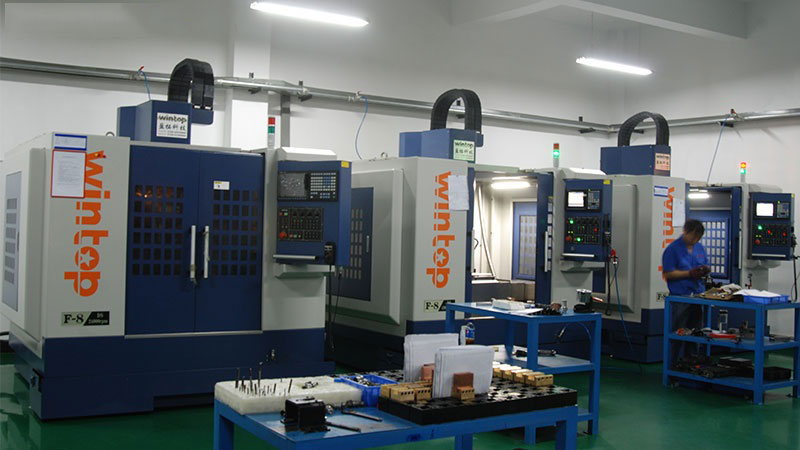
    precision plastic mold for electronic parts

    Work With Us

    As a professional China mold manufacturer, we provide one-stop mold solution for overseas buyers.
    📞 Phone: +86-18605944639
    💬 WhatsApp: +8618605944639
    🌐 Website: bestmoldworks.com
    📧 Email: [email protected]
  • china plastic mold factory: Quality Mold Solutions 2026 fr

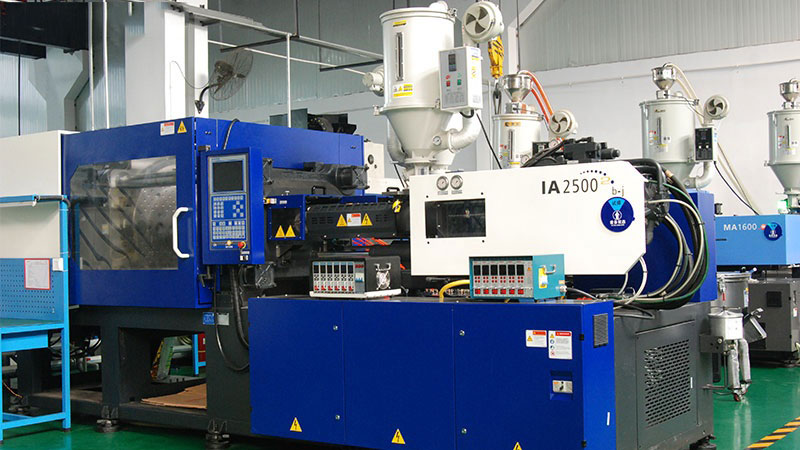
    As a leading China mold manufacturer, we specialize in high-precision plastic injection mold making for global industries. Our factory utilizes advanced CNC machining and EDM technology to ensure every mold meets exact specifications for durability and performance. We focus on efficient design to reduce your project lead time and overall part cost.

    china plastic mold factory

    From prototyping to high-volume production, we deliver consistent, quality molding parts. Our team provides comprehensive support, including design optimization and material selection, to ensure your success. Partner with us for reliable supply and expert manufacturing solutions tailored to your needs.

    Work With Us

    As a professional China mold manufacturer, we provide one-stop mold solution for overseas buyers.
    📞 Phone: +86-18605944639
    💬 WhatsApp: +8618605944639
    🌐 Website: bestmoldworks.com
    📧 Email: [email protected]
  • silicone mould factory near me: Expert Tips & Solutions 2026

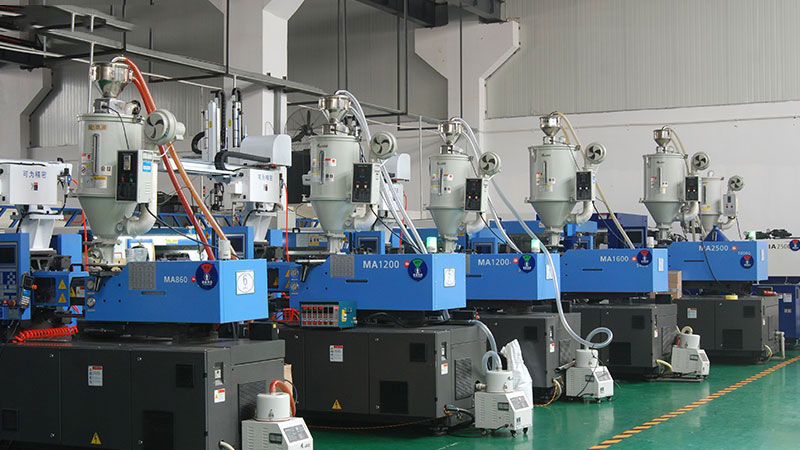
    For overseas buyers, the search for a reliable “silicone mould factory near me” often leads to a global destination: China. The country’s manufacturing prowess offers unparalleled advantages in cost, scalability, and technical capability for injection molds and silicone tooling. However, navigating this complex landscape from afar presents unique challenges in supplier verification, quality control, and procurement. This guide provides actionable, professional solutions for 2026, designed to help you import high-quality molds from China with confidence and strategic insight.

    The initial search for a China mold factory can be overwhelming. Moving beyond simple online directories is crucial. Begin by refining your search to manufacturers with explicit expertise in your niche, whether it be food-grade silicone, high-precision industrial components, or architectural elements. Utilize professional B2B platforms but scrutinize profiles for genuine certifications, client reviews, and project portfolios. A critical first step is to request detailed, non-disclosure agreements before sharing your designs. This filters serious partners from intermediaries. Furthermore, understanding regional specializations within China can streamline your search; for instance, the Guangdong and Zhejiang provinces are renowned hubs for plastic and silicone mold manufacturing, hosting clusters of specialized factories.

    Thorough supplier verification is the single most important phase in your procurement journey. Do not rely solely on online presence. Insist on a live video tour of the factory floor. This allows you to assess their machinery, workshop cleanliness, in-house capabilities, and ongoing projects firsthand. Request a list of past international clients and, with permission, contact them for references. Verify business licenses and key certifications relevant to your market, such as ISO 9001 for quality management systems or FDA compliance for food-contact products. In 2026, leveraging third-party inspection services for an initial audit is a cost-effective strategy. This due diligence mitigates the risk of partnering with a trading company masquerading as a factory and ensures your potential partner has the technical capacity to deliver.

    Once a potential partner is identified, mastering the quotation and development process is key. A professional China mold factory will provide a detailed breakdown, not just a single price. This should include mold steel grade (e.g., P20, H13, S136), cavity number, expected lifespan, and a clear timeline for design, machining, sampling, and revisions. For injection mold projects, discuss their flow simulation analysis capabilities to prevent defects early. Be explicit about your quality control standards. Define critical dimensions, surface finish requirements (SPI standards), and material specifications for the final molded parts. Agree on a structured payment plan, typically staggered across milestones like contract signing, first article inspection, and final shipment. This protects both parties and aligns incentives for timely, quality completion.

    Implementing rigorous quality control from the start prevents costly corrections later. The first article inspection is non-negotiable. Require comprehensive inspection reports with dimensional data, material certifications, and photographs of the sample parts from the production mold. For overseas buyers, engaging a local third-party quality inspection firm to conduct pre-shipment inspections is a standard best practice. They will check the mold’s workmanship, test it with material to produce samples, and verify the output against your approved specifications. Establish clear protocols for handling deviations. Furthermore, discuss post-sales support. A reliable supplier will offer a warranty period for mold repair or modification due to manufacturing faults and provide guidance on mold maintenance to ensure its longevity and consistent performance.

    Successful long-term procurement hinges on clear communication and strategic partnership. Overcome language barriers by using detailed technical drawings (CAD files), marked-up photos, and simple, unambiguous language in all communications. Appoint a single point of contact on both sides. Utilize project management tools to track progress and document all changes. View your chosen factory not just as a vendor, but as a manufacturing partner. Building this relationship can lead to better pricing on future projects, priority scheduling, and more collaborative problem-solving. As your partnership grows, you can explore more integrated services, such as just-in-time manufacturing or full assembly and packaging, turning your mold procurement into a streamlined supply chain solution.

    In conclusion, finding the right “silicone mould factory near me” as an overseas buyer means looking to China with a structured, diligent approach. The journey from supplier verification to final quality control requires a professional mindset and the implementation of the solutions outlined for 2026. By focusing on in-depth verification, transparent procurement processes, and unwavering quality standards, you can transform the geographical distance into a competitive advantage. The goal is to secure not just a mold, but a reliable manufacturing partnership that delivers quality, consistency, and value, driving the success of your products in the global market for years to come.

    Work With Us

    As a professional China mold manufacturer, we provide one-stop mold solution for overseas buyers.
    📞 Phone: +86-18605944639
    💬 WhatsApp: +8618605944639
    🌐 Website: bestmoldworks.com
    📧 Email: [email protected]
  • custom injection molding manufacturer: Best Suppliers 2026

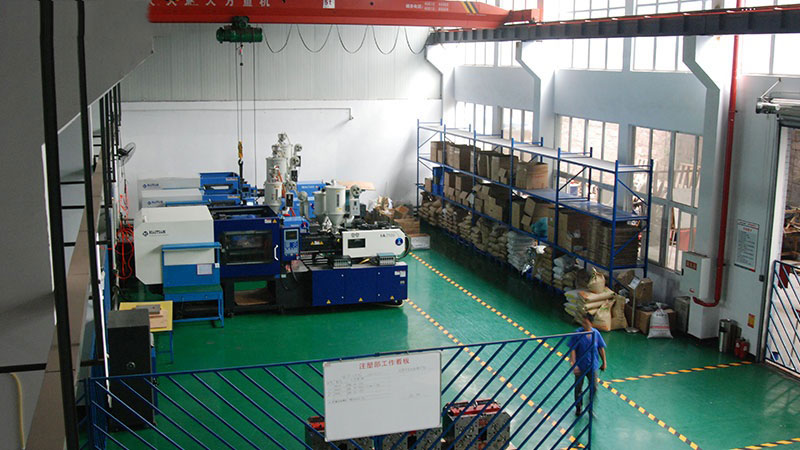
    For overseas buyers, sourcing from a custom injection molding manufacturer in China remains a powerful strategy for achieving cost efficiency, scalability, and technical capability. However, the landscape is evolving rapidly. Simply finding a low quote is no longer a viable procurement strategy. Success in 2026 hinges on a more nuanced, verification-heavy approach to partner with suppliers who are not just fabricators, but true engineering collaborators. This guide cuts through the noise to provide actionable steps for identifying and securing a partnership with a top-tier China mold factory for your injection molding projects.

    The core challenge has shifted from finding manufacturers to filtering them. The market is saturated with options, making supplier verification the single most critical step. Begin by moving beyond Alibaba listings. While platforms are a starting point, due diligence must be deeper. Investigate the company’s business license via official Chinese portals, check their registered capital as a rough indicator of scale, and verify their physical address. A professional supplier will readily offer this information. Next, scrutinize their technical specialization. A manufacturer claiming to do everything often excels at nothing. Examine their project portfolio closely. Do they have proven experience with your specific material (e.g., engineering plastics, LSR) and part complexity? A supplier whose portfolio aligns with your industry—be it automotive, medical, or consumer electronics—will understand the relevant regulatory and quality standards from the outset.

    Once a shortlist is established, the focus must turn to technical and communication protocols. The design for manufacturability (DFM) stage is where a great partnership is forged or broken. A reputable custom injection molding manufacturer will invest engineering time in a thorough DFM analysis before any metal is cut. They should provide detailed feedback on your part design, suggesting modifications to wall thickness, rib placement, gate locations, and ejection to optimize for moldability, strength, and cost. Their ability to communicate these suggestions clearly, with annotated drawings or 3D markups, is a strong indicator of professionalism. Furthermore, insist on a formalized project management workflow. Who is your single point of contact? What are the key milestones for mold design approval, mold trial, and production? Clarity here prevents costly misunderstandings and delays.

    Quality control cannot be an afterthought; it must be baked into the procurement agreement from the initial quotation. Discuss and document the quality standards explicitly. Will the mold be inspected against DME or HASCO standards? What about the final parts? Define the acceptable quality limits (AQL) for production runs and the measurement methods—will they use CMM, optical comparators, or simple calipers? A trustworthy China mold factory will have an in-house quality lab and be transparent about their equipment. Always, without exception, plan for an initial sample inspection. Order first article inspection samples before mass production begins. For high-value or high-volume projects, engaging a third-party quality inspection service in China to conduct an on-site audit during the trial run or initial production is a wise investment. This step verifies process control, material certification, and final part conformity independently.

    Finally, view the partnership through a strategic, long-term lens. The best suppliers in 2026 are those investing in sustainability and digital integration. Inquire about their approach to material efficiency, energy consumption in their molding processes, and if they offer recycled material options. Operationally, assess their digital readiness. Can they provide real-time production tracking? Do they use modern project management tools for transparent communication? While the initial injection mold cost is important, evaluate the total cost of ownership, which includes unit part price, mold maintenance, lead time reliability, and the supplier’s responsiveness to issues. Building a relationship with a manufacturer that sees you as a strategic partner, rather than a one-off order, ensures better pricing, priority scheduling, and proactive problem-solving over time.

    Securing a reliable custom injection molding manufacturer in China for 2026 and beyond requires a disciplined shift from price-focused sourcing to partnership-focused verification. By rigorously vetting suppliers, demanding collaborative engineering, institutionalizing quality control protocols, and prioritizing strategic operational alignment, overseas buyers can transform a complex procurement challenge into a durable competitive advantage. The goal is not just to import a mold, but to establish a seamless extension of your production capability, ensuring quality, consistency, and innovation for years to come.

    Work With Us

    As a professional China mold manufacturer, we provide one-stop mold solution for overseas buyers.
    📞 Phone: +86-18605944639
    💬 WhatsApp: +8618605944639
    🌐 Website: bestmoldworks.com
    📧 Email: [email protected]
  • mold Manufacturerturers near me: Ultimate Guide for Buy 2026

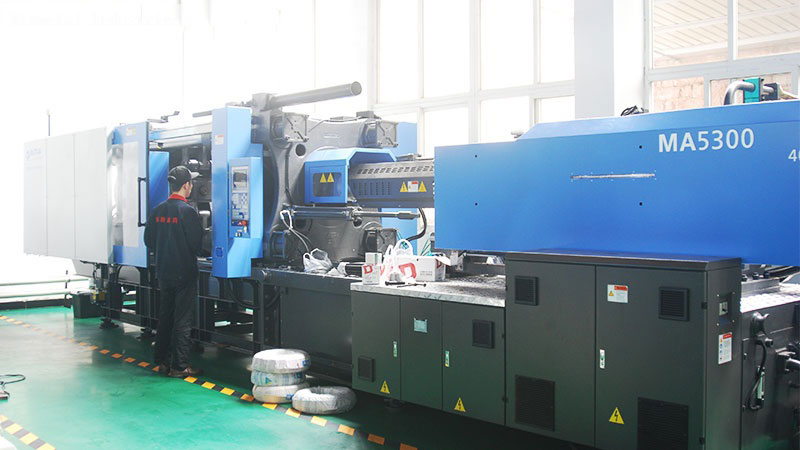
    For overseas buyers in 2024, the search for “mold manufacturers near me” often concludes with a strategic pivot: looking not just locally, but globally, with China as a primary focus. The title of this guide, “mold manufacturers near me: Ultimate Guide for Buy 2026,” is intentionally forward-looking. It recognizes that in today’s interconnected market, your most reliable and cost-effective “near me” might be a highly specialized China mold factory halfway across the world. This guide is designed not to sell you on the idea, but to equip you with a professional, actionable framework for successful procurement. We move beyond price comparisons to solve the real problems of supplier verification, communication, and quality assurance.

    The core challenge is no longer finding a manufacturer, but identifying the right partner among thousands. The initial search for “mold manufacturers near me” should evolve into a targeted quest for Chinese partners with proven expertise in your specific industry, whether it’s automotive components, medical devices, consumer electronics, or packaging. Success in 2026 will be defined by strategic partnerships, not transactional purchases. This requires a methodical approach that begins long before a request for quotation is sent. The following sections provide a step-by-step methodology to transform your sourcing journey from a risky venture into a streamlined, controlled process.

    Your first and most critical action is thorough supplier verification. This goes far beyond checking a website. Begin with deep due diligence: verify business licenses (via platforms like Tianyancha), assess years in operation, and scrutinize their listed core competencies. A supplier claiming to do everything is often a master of none. Seek out specialists. Next, leverage video calls for virtual factory tours. Insist on seeing live production floors, measuring equipment (CMMs, profile projectors), and mold testing presses. Request detailed case studies with photos or videos of molds they have built and the final parts produced. Contact past international clients, if possible. This phase is about replacing uncertainty with documented evidence of capability. Remember, a true partner in a China mold factory will be transparent and proud to showcase their facilities and past work.

    Once a shortlist of potential mold manufacturers is established, precision in technical communication becomes paramount. Ambiguity is the root cause of most mold project failures. Develop a comprehensive and clear Request for Quotation (RFQ) package. This must include not just part drawings (2D & 3D STEP/IGS files), but a detailed specification sheet covering material type (e.g., POM, ABS, PP), expected annual volumes, cosmetic requirements (texture, polish), tolerances, and critical-to-function dimensions. Discuss and agree on mold design standards (HASCO, DME, or local standards) and mold base material. Clarify responsibilities: who handles the design? Who approves it? Establish a milestone-based approval process for design reviews (3D mold flow analysis, structural drawings) before steel is cut. This disciplined approach ensures both parties are aligned, minimizing costly revisions later.

    Proactive quality control is non-negotiable and must be planned from the start. Do not relegate QC to a final inspection before shipment. Implement a staged inspection protocol (IPQC). Key inspection points include: first article inspection after mold trial, using the actual production material. You should receive a detailed Dimension Report (with CMM data), photos, and video of the trial run. Samples from the production cavity should be shipped to you for hands-on verification. For higher-value projects, consider hiring a local third-party quality inspection firm to conduct pre-shipment inspections against agreed-upon Acceptance Quality Limits (AQL). Discuss and document the protocol for handling defects or deviations. A reliable partner will welcome structured QC as it protects both parties and ensures a smooth production launch. This level of oversight turns quality from a hope into a managed outcome.

    Finally, view the procurement process through the lens of Total Cost of Ownership (TCO), not just unit price. The cheapest mold often becomes the most expensive. Analyze quotations holistically. What is included? Are mold design, trial runs, and sample shipments in the price? What about spare parts like ejector pins or interchangeable inserts? Consider the mold’s lifespan: a higher-grade steel might increase initial cost but will withstand millions of cycles, reducing cost per part. Evaluate logistical support: does the supplier assist with export documentation, customs declarations, and shipping? Building a relationship with a competent China mold factory that understands your long-term needs can lead to iterative improvements, better pricing on future projects, and a reliable extension of your manufacturing capability. This strategic perspective is what will define successful importers in 2026.

    In conclusion, the ultimate guide for 2026 reframes the concept of “mold manufacturers near me.” It is about leveraging global expertise with local-level control and confidence. By mastering supplier verification, enforcing crystal-clear technical communication, implementing staged quality control, and evaluating total cost, you transform the complexity of importing injection molds from China into a competitive advantage. The goal is to build a supply chain that is not just geographically distant but professionally close—a partnership where your chosen manufacturer feels like a trusted, transparent, and integral part of your own operations. Begin this process today, and you will be perfectly positioned for a successful and profitable 2026.

    Work With Us

    As a professional China mold manufacturer, we provide one-stop mold solution for overseas buyers.
    📞 Phone: +86-18605944639
    💬 WhatsApp: +8618605944639
    🌐 Website: bestmoldworks.com
    📧 Email: [email protected]
  • custom plastic mold Manufacturerturer: Reliable Manufac 2026

    For overseas buyers, sourcing a custom plastic mold manufacturer is a critical strategic decision that directly impacts product quality, time-to-market, and overall project cost. As we look toward 2026, the landscape of manufacturing in China continues to evolve, offering unparalleled expertise and value, but also requiring a more sophisticated approach to procurement. The challenge is no longer simply finding a China mold factory, but identifying a truly reliable partner capable of delivering precision, consistency, and transparency. This guide provides actionable, professional insights to navigate this process successfully, ensuring your next import project is built on a foundation of reliability and mutual success.

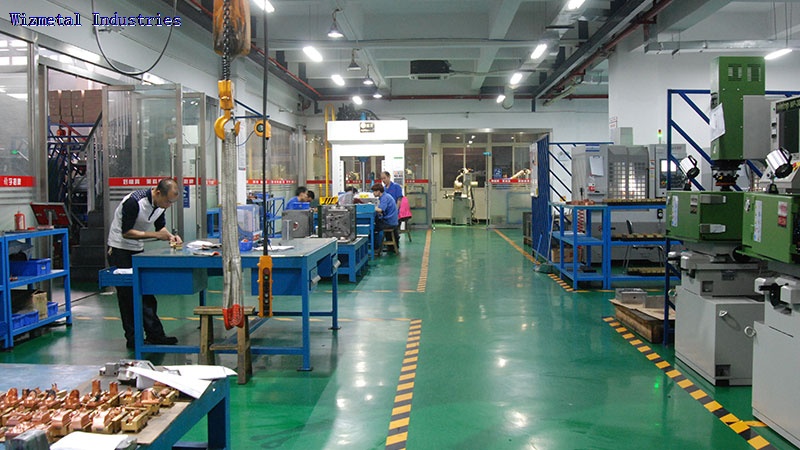
    The cornerstone of a successful import project is rigorous supplier verification. Moving beyond basic website checks and Alibaba profiles is essential for 2026. Start by verifying the manufacturer’s business license and export credentials. Request a detailed company profile that outlines their specific experience with your industry and product type. The most critical step, however, is a virtual or in-person factory audit. A reputable custom plastic mold manufacturer will readily facilitate a video tour of their facility. During this tour, you should assess their machinery—look for modern CNC, EDM, and injection molding machines—their workshop organization, and their engineering team’s capability. Furthermore, insist on contacting at least two existing overseas clients for direct references. This due diligence filters out trading companies and underqualified workshops, directing you toward a partner with proven export competence.

    Once a potential partner is identified, mastering the technical communication and prototyping phase is vital. A reliable manufacturer will engage deeply in the Design for Manufacturability (DFM) process. Provide comprehensive 3D drawings (STEP or IGES files are preferred) and expect detailed feedback on draft angles, wall thickness, gate locations, and ejection. This collaborative engineering stage prevents costly modifications later. For complex parts, consider a prototype mold or 3D-printed prototype to validate form, fit, and function before committing to the full production injection mold. Clearly define all specifications in a Purchase Order document: steel grade (such as 718H or S136), mold life expectancy (number of shots), surface finish (SPI standards), tolerance levels, and delivery timeline. This document becomes the binding technical and commercial agreement, eliminating ambiguity.

    Implementing a structured quality control protocol from the start is non-negotiable. Do not assume quality; verify it at defined milestones. For a custom plastic mold, key inspection points include the mold design review, first article inspection (FAI) after the mold is trial-tested, and pre-shipment inspection. The FAI is particularly crucial. You should receive a comprehensive First Article Inspection Report alongside samples from the trial shot. These samples should be measured against your CAD dimensions with a Coordinate Measuring Machine (CMM) report provided. For ongoing production, define your Acceptable Quality Level (AQL) for sampling inspections. Many overseas buyers engage a third-party quality inspection firm within China to conduct these checks impartially. This proactive approach to quality control safeguards your investment and ensures the final product meets your exact specifications.

    Understanding and managing the total cost of procurement involves looking beyond the initial mold quote. A professional China mold factory will provide a breakdown that includes mold base, cavity and core steel, machining hours, standard components (like hot runners from branded suppliers), and trial costs. Be wary of quotes that seem abnormally low, as they often indicate inferior materials or hidden costs. Discuss payment terms that balance risk; a common and fair structure is 50% deposit, 40% upon approval of trial samples, and 10% before shipment. Furthermore, clarify all logistical responsibilities—Incoterms like FOB or EXW determine who handles shipping, insurance, and import customs. Building a relationship with a reliable custom plastic mold manufacturer means transparent costing that avoids surprises and builds long-term trust.

    As we advance into 2026, the most successful partnerships will leverage digital integration and clear contractual frameworks. Utilize digital tools for project management. A professional manufacturer should provide regular updates via shared platforms, including photos and videos of machining progress. This creates a transparent workflow and builds confidence. Finally, ensure a formal contract is in place. This contract should cover intellectual property (IP) protection, confidentiality, warranty terms for the injection mold (typically covering workmanship and materials for one year), and procedures for handling defects or delays. A strong contract protects both parties and formalizes the professional relationship, setting clear expectations for current and future projects.

    Securing a reliable manufacturing partner in China for your plastic injection mold is a deliberate process built on verification, clear communication, and proactive quality management. The landscape in 2026 demands a strategic approach that prioritizes engineering collaboration and transparent partnerships over transactional purchasing. By implementing these actionable steps—from deep supplier verification to enforced quality control and digital project integration—you transform the complexity of overseas procurement into a competitive advantage. The goal is to establish a relationship with a China mold factory that acts as an extension of your own team, delivering not just a tool, but the foundation for your product’s success in the global market.

    Work With Us

    As a professional China mold manufacturer, we provide one-stop mold solution for overseas buyers.
    📞 Phone: +86-18605944639
    💬 WhatsApp: +8618605944639
    🌐 Website: bestmoldworks.com
    📧 Email: [email protected]

  • custom molded products shanghai: Ultimate Guide for Buy 2026

    For overseas buyers, sourcing custom molded products from Shanghai represents a significant opportunity for innovation, cost efficiency, and market agility. As a global manufacturing hub, Shanghai offers unparalleled expertise in precision tooling and high-volume production. However, navigating this complex landscape in 2026 requires updated strategies to mitigate risks and secure true value. This ultimate guide cuts through the noise to provide a professional, actionable framework for your procurement journey, focusing on solving real problems faced by international importers.

    The foundation of successful procurement lies in meticulous supplier verification. The term “China mold factory” encompasses a vast spectrum, from rudimentary workshops to world-class facilities. Your first actionable step is to move beyond Alibaba listings. Conduct a thorough audit of potential partners. Verify business licenses via official Chinese platforms and scrutinize their export history. Insist on a virtual or, ideally, pre-contract onsite audit of their facility. In 2026, key indicators include their adoption of Industry 4.0 practices, such as IoT-enabled machinery for real-time monitoring, and their commitment to environmental, social, and governance (ESG) standards, which are increasingly impacting international supply chains. A reliable partner for your custom molded products Shanghai project should transparently share client testimonials, preferably from overseas businesses in your sector, and have a documented process for managing intellectual property, a non-negotiable for custom designs.

    Once a credible shortlist is established, mastering the technical and commercial negotiation phase is critical. Precision in your request for quotation (RFQ) is paramount. Provide not just a 3D model, but a comprehensive product design specification including material grade (citing international standards like ISO or ASTM), critical tolerances, expected annual volumes, and cosmetic requirements. This clarity allows for accurate costing and prevents costly change orders later. Discuss the injection mold strategy explicitly: Will it be a single-cavity, family, or multi-cavity mold? What steel grade (e.g., P20, H13, Stainless) is proposed for the core and cavity? Understand the payment terms—typical structures like 50% upfront, 40% on trial sample approval, and 10% on shipment remain common, but flexibility can be negotiated. Crucially, define ownership of the injection mold tooling; your contract must stipulate that you retain full intellectual and physical property rights to the mold, often stored at the factory under a consignment agreement.

    Implementing rigorous, staged quality control is your primary defense against defective shipments. Do not relegate QC to a final pre-shipment inspection. Integrate it throughout the production cycle. The first critical milestone is the First Article Inspection (FAI) after the initial mold trial. This involves a detailed dimensional report against your CAD drawings. The second is a Pre-Production Inspection (PPI) once the process is stabilized but before mass production begins. Finally, a During Production Inspection (DPI) and a Standard Pre-Shipment Inspection (PSI) are essential. For complex custom molded products Shanghai projects, consider hiring a third-party quality control firm based in China to conduct these inspections. They can verify the functionality of the injection mold, check material certifications, perform destructive and non-destructive tests, and ensure packaging meets your logistics requirements. This proactive approach identifies issues when they are cheapest to fix: at the source.

    Effective logistics and post-production management solidify a successful partnership. With your injection mold approved and production complete, your focus shifts to seamless importation. Work with your supplier to ensure commercial invoices, packing lists, and certificates of origin are accurate—discrepancies here cause customs delays. Understand Incoterms 2020 thoroughly; FOB Shanghai is common, but you may prefer EXW for more control or CIF for simplicity. Partner with a freight forwarder experienced in handling industrial machinery and plastic products. Post-delivery, establish clear protocols for mold maintenance and repair. Discuss who bears the cost of routine maintenance, spare parts like ejector pins, and repairs due to wear and tear. A forward-thinking China mold factory will provide a mold maintenance log and be available for future production runs, ensuring the longevity of your investment.

    In conclusion, importing custom molded products from Shanghai in 2026 is a strategic endeavor that rewards diligence, technical understanding, and proactive partnership management. The landscape is sophisticated, and success is defined by moving beyond price-centric sourcing to value-driven collaboration. By executing rigorous supplier verification, engaging in precise technical procurement, enforcing staged quality control, and managing logistics with foresight, you transform the inherent complexities of overseas mold manufacturing into a competitive advantage. The ultimate goal is to build a transparent, reliable supply chain that delivers consistent quality, protects your intellectual property, and supports your product’s lifecycle. With this guide as your framework, you are equipped to navigate the Shanghai manufacturing ecosystem with confidence, securing not just a product, but a foundational asset for your business growth.

    Work With Us

    As a professional China mold manufacturer, we provide one-stop mold solution for overseas buyers.
    📞 Phone: +86-18605944639
    💬 WhatsApp: +8618605944639
    🌐 Website: bestmoldworks.com
    📧 Email: [email protected]

  • injection molding factory near me: Professional Buying 2026

    For overseas buyers and procurement specialists, the search for a reliable “injection molding factory near me” often concludes not with a local find, but with the strategic decision to source from the global leader: China. The title reflects a common starting point, yet the reality of competitive pricing, advanced capabilities, and scalable production rightly directs the savvy professional to Chinese manufacturers. As we move into 2026, the process of importing molds from China has evolved beyond simple price comparison. It now demands a professional, systematic approach to supplier verification and quality management. This guide provides actionable, forward-looking strategies to navigate this complex landscape and build a successful, long-term partnership with a top-tier China mold factory.

    The foundational step in your 2026 procurement strategy must be deep, multi-layered supplier verification. Moving past Alibaba listings, professional buyers now employ a hybrid verification model. Begin with a comprehensive digital audit: scrutinize the supplier’s professional website for technical blogs, case studies, and engineering insights, which indicate thought leadership. Utilize platforms like LinkedIn to assess employee profiles and company activity. Crucially, in 2026, a virtual factory audit is non-negotiable. Schedule a live video tour via platforms like Zoom or Teams. Demand to see the shop floor in real-time—observe machinery brands (e.g., Haitian, Engel, Fanuc), mold maintenance areas, and quality lab setups. This replaces the once-essential but costly first site visit and filters out trading companies posing as manufacturers. Verify business licenses and export records, and insist on speaking directly with project engineers, not just sales staff, to gauge technical competency.

    Once a potential partner is identified, mastering the technical and commercial quotation process is critical. A professional injection mold quotation from a reputable China mold factory should be exhaustively detailed, not a single bottom-line figure. It must break down costs for mold base steel (pre-hardened vs. hardened, brand specification), cavity and core materials, expected lifespan in shots, surface finish requirements (SPI standards), and the complexity of actions (slides, lifters, unscrewing mechanisms). In 2026, clarity on intellectual property (IP) protection within the quotation is paramount. Ensure the document includes a confidentiality agreement and stipulates that all design files and mold ownership revert to you upon payment completion. Furthermore, demand a transparent production timeline with defined milestones for design review, material procurement, machining, fitting, and trial. A vague quote signals a lack of professionalism and will lead to hidden costs and delays.

    The core of mitigating risk lies in implementing a rigorous, staged quality control protocol from the very first sample. Do not wait for the final shipment to inspect. The 2026 standard is a three-stage inspection process. First, the Initial Sample Inspection Report (ISIR) after the first Trial Injection Run (T1). This involves checking pre-production samples against your CAD data and master sample for dimensions, appearance, and function. Second, conduct an in-process audit during the mold manufacturing, perhaps after rough machining or heat treatment, to verify critical steps. Finally, the Pre-Shipment Inspection (PSI) is mandatory. Either use a trusted third-party inspection service (e.g., SGS, BV) or deploy your own quality agent to perform a full dimensional check, material verification, and final assembly test at the factory. This staged approach ensures issues like sink marks, weld lines, or dimensional inaccuracies are caught and rectified before the mold leaves China, saving immense cost and time in rework.

    Building a successful partnership extends beyond the first order. Professional procurement in 2026 views the initial injection mold as the start of a collaborative lifecycle. Establish clear communication protocols: designate single points of contact on both sides, use collaborative project management tools (like Trello or Asana) for tracking, and insist on regular update reports with photos and videos. Discuss post-sales support upfront—what is the warranty period for the mold? How are repair and maintenance handled? A forward-thinking supplier will discuss long-term strategies for mold storage, refurbishment, and even potential future modifications. This partnership mindset transforms your chosen China mold factory from a mere vendor into a strategic extension of your manufacturing arm, ensuring not just a successful initial procurement but a reliable pipeline for future projects and iterations.

    In conclusion, the journey to find an “injection molding factory near me” for competitive, high-quality tooling inevitably and wisely leads to China. However, the professional buying landscape of 2026 requires a methodical framework built on verification, technical clarity, controlled quality, and partnership. By moving beyond superficial searches and implementing these structured steps—from virtual audits and detailed quotations to staged inspections and lifecycle management—overseas buyers can decisively mitigate the perceived risks of overseas procurement. The goal is no longer just to import a mold, but to securely leverage China’s manufacturing excellence to gain a durable competitive advantage. Your reliable injection mold supplier is not found by chance, but through the disciplined application of these professional procurement principles.

    Work With Us

    As a professional China mold manufacturer, we provide one-stop mold solution for overseas buyers.
    📞 Phone: +86-18605944639
    💬 WhatsApp: +8618605944639
    🌐 Website: bestmoldworks.com
    📧 Email: [email protected]

  • custom molded products shanghai: Complete Procurement 2026

    For overseas buyers, the decision to import molds from China remains one of the most strategic moves to achieve cost efficiency, scalability, and rapid product development. Shanghai, as a global manufacturing and technological hub, stands at the forefront of this industry. However, the landscape of procurement is evolving rapidly. Success in 2026 demands more than just finding a low-cost quote; it requires a sophisticated, process-driven approach to partnership. This guide is designed to move beyond basic advice and provide a complete, actionable procurement framework for securing high-quality custom molded products from Shanghai, ensuring your project is built on a foundation of reliability, precision, and clear communication.

    The cornerstone of any successful import project is rigorous supplier verification. The term “China mold factory” encompasses a vast spectrum, from rudimentary workshops to fully automated, digitally integrated production centers. Your first task is to discern the difference. Begin with a deep-dive into capabilities, not just catalogues. A competent supplier for custom molded products in Shanghai should readily provide evidence of their expertise in your specific material (e.g., engineering plastics, LSR, bioplastics) and product sector. Request detailed case studies and, crucially, contact information for past international clients. Utilize video conferencing to conduct virtual factory tours, paying close attention to the maintenance level of their injection molding machines, the organization of their toolroom, and their quality lab equipment. Third-party verification reports from agencies like SGS or Bureau Veritas add a significant layer of trust. In 2026, this digital-first verification is non-negotiable.

    Once a potential partner is identified, the focus shifts to technical and commercial clarity. The heart of your project is the injection mold itself. A comprehensive Request for Quotation (RFQ) package is your most powerful tool. This must extend beyond a simple 3D model. Include a fully detailed product drawing with Geometric Dimensioning and Tolerancing (GD&T), specified material grades, expected annual volumes, and cosmetic requirements. For the mold, explicitly discuss and agree upon steel grade (e.g., P20, H13, stainless), mold flow analysis expectations, cooling line design, ejection systems, and lifetime expectations (number of shots). Transparency here prevents costly change orders later. The commercial agreement should clearly separate mold cost from part price, define payment terms linked to project milestones (e.g., 30% upon order, 40% after T1 sample approval, 30% before shipment), and unequivocally state intellectual property ownership.

    Proactive quality control, integrated from the very beginning, is what separates successful imports from costly failures. Do not relegate QC to a final inspection before shipment. Implement a staged protocol. First, insist on a First Article Inspection (FAI) report after the initial sample (T1) is produced, comparing critical dimensions against your drawings. Second, define a Production Part Approval Process (PPAP) level appropriate for your risk level, which may include material certifications, capability studies, and control plans. For ongoing production, specify the frequency of in-process checks and the use of Statistical Process Control (SPC) data by the China mold factory. Partner with a reputable local third-party quality inspection firm to conduct pre-shipment inspections based on an Acceptable Quality Level (AQL) sampling plan you define. This layered approach ensures quality is built into the process, not merely inspected out.

    Navigating logistics and fostering strategic partnership are the final, critical phases. Understand Incoterms 2020 thoroughly; terms like FOB Shanghai Port or EXW place different responsibilities and costs on you versus the supplier. Ensure your supplier has experience in professional mold export packaging—typically wooden crates with proper desiccant and rust prevention for the core and cavity. Discuss and agree on post-sales support upfront. What is their policy on mold modifications or repairs? Will they store your injection mold, and at what cost? How will they handle production troubleshooting? Viewing your supplier as a long-term technical partner, rather than a one-time vendor, transforms the relationship. This mindset encourages mutual investment in continuous improvement, future design collaboration, and cost-optimization over the product lifecycle.

    In conclusion, procuring custom molded products from Shanghai in 2026 is a disciplined strategic operation, not a simple purchase. The complete procurement journey—from digital-native supplier verification and technically precise contracting to embedded quality control and partnership-focused logistics—requires meticulous planning and active management. By adopting this structured framework, overseas buyers can confidently leverage the immense technical expertise and competitive advantages offered by Shanghai’s molding industry. The goal is to secure not just a mold, but a reliable, high-quality manufacturing extension of your own business, enabling innovation and market growth for years to come.

    Work With Us

    As a professional China mold manufacturer, we provide one-stop mold solution for overseas buyers.
    📞 Phone: +86-18605944639
    💬 WhatsApp: +8618605944639
    🌐 Website: bestmoldworks.com
    📧 Email: [email protected]

  • custom silicone mold maker near me: Best Suppliers & 2026

    For overseas buyers and product developers, sourcing a reliable custom silicone mold maker is a critical step in bringing innovative designs to market efficiently and cost-effectively. While searching for a “custom silicone mold maker near me” may yield local results, it often comes with significant cost implications and potentially limited technical specialization. In 2026, the strategic approach for scalable, high-quality production increasingly points toward partnering with specialized manufacturers in China. This blog provides actionable insights for overseas procurement, moving beyond simple supplier lists to a framework for building successful, long-term partnerships with premier China mold factories.

    The core challenge for international buyers is not merely finding a manufacturer, but verifying a partner capable of delivering precision, consistency, and clear communication. The Chinese manufacturing landscape for silicone and injection molds is vast and varied, encompassing everything from small workshops to vertically integrated, technologically advanced facilities. Your goal should be to navigate this ecosystem to identify a supplier whose capabilities, quality control protocols, and business ethos align with your project’s specific demands, from prototype to full-scale production. This requires a shift from a transactional mindset to one focused on partnership development and rigorous supplier verification.

    Conducting Meticulous Supplier Verification and Capability Assessment

    Initial discovery often begins on B2B platforms like Alibaba, Made-in-China, or Global Sources. However, treating these listings as a final vetting step is a common pitfall. Use them as a starting point to create a longlist. The real verification begins with a deep dive into each potential China mold factory. Request detailed case studies and portfolios specifically for silicone mold projects, noting the complexity and industries served. Insist on a virtual factory tour via video call; a reputable supplier will readily showcase their workshop, machinery (such as CNC centers for mold cores), and cleanroom environments for silicone mixing and pouring. Verify certifications relevant to your market, such as ISO 9001, which indicates a baseline quality management system. Crucially, communicate directly with engineering project managers, not just sales agents, to assess technical comprehension from the outset.

    Mastering the RFQ and Technical Communication Process

    A precise Request for Quotation (RFQ) is your most powerful tool for ensuring accurate pricing and setting project expectations. Simply sending a 3D file is insufficient. Your RFQ package should include comprehensive material specifications (type of silicone—HTV, RTV, LSR—required Shore hardness, color, certifications like FDA or LFGB), expected cavity count, part dimensions, and estimated annual volumes. For projects involving overmolding or insert molding, detail the secondary material. Clearly state your quality control expectations and required deliverables (e.g., first article inspection reports, material certificates, CAD mold drawings for approval). This clarity allows suppliers to provide a comparable and meaningful quote, separating serious, organized manufacturers from those ill-equipped for detailed custom work. It transforms the conversation from commodity pricing to value-based procurement.

    Implementing a Robust Quality Control Framework from Design to Shipment

    Quality cannot be inspected into a product; it must be built into the process. For custom silicone molds, this starts with design for manufacturability (DFM) feedback. A competent supplier will provide DFM analysis, suggesting modifications to part geometry, draft angles, or gate locations to improve moldability and part quality. Establish clear quality checkpoints: approve the final 3D mold design, require first-article inspection (FAI) reports with dimensional measurements against your CAD model, and insist on sample parts shipped for your physical evaluation before mass production commences. For ongoing production, define acceptable quality limits (AQL) for part inspections. Consider engaging a third-party quality control service in China for pre-shipment inspections, especially for initial orders. This layered QC approach mitigates risk and ensures the final product matches your prototype’s intent.

    Navigating Logistics, IP Protection, and Building a Partnership

    Finalizing the commercial and logistical details is as important as the technical ones. Use secure payment terms that balance risk, such as a split of 30-50% deposit with the remainder due after sample approval or before shipment. Discuss Incoterms explicitly (e.g., FOB Shanghai) to avoid hidden freight costs. While searching for a “custom silicone mold maker near me” might feel simpler logistically, a reliable Chinese partner will manage export documentation seamlessly. To protect your intellectual property, have a clear Non-Disclosure Agreement (NDA) signed before sharing detailed designs. While legal enforcement across borders has challenges, working with established, reputation-conscious factories is your primary defense. View this not as a one-off purchase but as sourcing a manufacturing partner. A successful project can lead to efficiencies in future projects, whether for silicone molds or other injection mold needs.

    Conclusion

    In 2026, finding the best supplier for custom silicone molds is less about geographic proximity and more about strategic procurement, rigorous verification, and process mastery. By shifting your focus from “custom silicone mold maker near me” to identifying a capable, communicative, and quality-driven China mold factory, you unlock significant advantages in cost, scalability, and technical expertise. The journey involves diligent supplier vetting, crystal-clear technical communication, an unwavering commitment to quality control at every stage, and a focus on building a trustworthy partnership. By following this structured approach, overseas buyers can confidently navigate the Chinese manufacturing landscape, securing a reliable source for high-quality custom silicone molds that will support product innovation and business growth for years to come.

    Work With Us

    As a professional China mold manufacturer, we provide one-stop mold solution for overseas buyers.
    📞 Phone: +86-18605944639
    💬 WhatsApp: +8618605944639
    🌐 Website: bestmoldworks.com
    📧 Email: [email protected]