Category: Custom molds for resin

  • plastic injection moulding factory near me: Complete Pr 2026

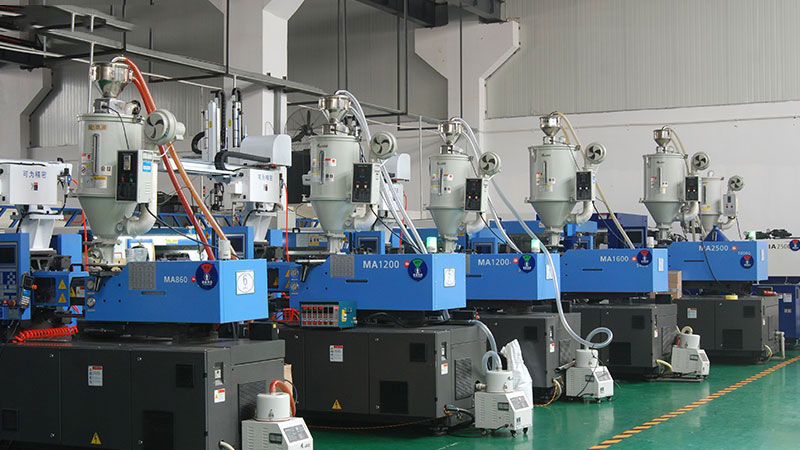
    For overseas buyers, the search for a “plastic injection moulding factory near me” often leads to a critical realization: true competitive advantage and scalability frequently lie in partnering with manufacturers abroad, specifically in China. The world’s manufacturing hub offers unparalleled expertise, cost efficiency, and advanced capabilities in injection mold production. However, navigating this complex landscape requires a modern, strategic approach. This guide serves as your complete procurement roadmap for 2026, moving beyond simple supplier lists to provide a systematic process for identifying, vetting, and collaborating with top-tier China mold factories to secure high-quality injection molds and parts.

    Redefining “Near Me” in a Globalized Supply Chain

    The first step is to shift your procurement mindset. In today’s connected world, “near me” is less about geographic proximity and more about logistical and communicative accessibility. A reliable China mold factory can feel closer than a domestic supplier if it operates with transparency, responsive English-speaking project management, and streamlined shipping protocols. Your goal is not merely to find a manufacturer but to integrate a competent partner into your supply chain. This begins with a crystal-clear definition of your project: part design files (preferably 3D CAD), material specifications, expected annual volumes, tolerance requirements, and surface finish expectations. Detailed documentation upfront prevents costly misunderstandings and allows potential suppliers to provide accurate quotations and feasibility assessments.

    Strategic Sourcing and Rigorous Supplier Verification

    With your project specs ready, the search for a qualified injection mold supplier begins. Utilize comprehensive B2B platforms like Alibaba, Made-in-China, and Global Sources, but apply advanced filters. Look for suppliers verified by third-party inspectors, those with “Gold Supplier” status for multiple years, and factories that explicitly showcase in-house design and mold flow analysis capabilities. Crucially, move beyond the platform. Investigate the company’s standalone website, seeking evidence of a professional export department. The verification process must be hands-on. Insist on a video tour of the factory floor; a reputable China mold factory will readily conduct a live walkthrough via Zoom or Teams, showing you their CNC, EDM, and injection molding machines. Request and contact references from existing overseas clients. In 2026, due diligence is non-negotiable and the primary shield against risk.

    Mastering Communication and The Technical Partnership

    Effective procurement hinges on seamless communication. Once you shortlist potential partners, assess their project management structure. Who will be your single point of contact? Do they have engineers who can discuss DFM (Design for Manufacturability) feedback professionally? A top-tier plastic injection moulding factory near me in spirit will proactively suggest design optimizations to reduce mold complexity, improve part strength, or enhance manufacturability, ultimately saving you money. Clarify all commercial terms using a detailed Proforma Invoice (PI) that itemizes costs: mold base, cavity and core machining, trial run fees, unit part price, and packaging. Establish a milestone-based payment schedule (e.g., 30% deposit, 40% after mold trial, 30% before shipment) linked to clear deliverables. This structured approach aligns interests and builds trust.

    Implementing Proactive and Evidence-Based Quality Control

    Quality cannot be inspected into a product; it must be built into the process. Your agreement must specify quality control protocols from the outset. For injection molds, this starts with First Article Inspection (FAI) reports using CMM (Coordinate Measuring Machine) data to verify the mold dimensions against your CAD model. For molded parts, define the AQL (Acceptable Quality Level) standards for critical, major, and minor defects. The most effective strategy is to engage a local third-party quality control company in China for pre-shipment inspections. These inspectors act as your eyes on the ground, conducting checks at the factory during production and before containers are sealed. They provide unbiased reports with photographic evidence. This step, while an added cost, is invaluable for preventing defective goods from ever leaving the factory, avoiding far greater losses upon receipt.

    Navigating Logistics, IP Protection, and Long-Term Collaboration

    Finalizing the mold is only part of the journey. Discuss Incoterms 2020 thoroughly—FOB (Free On Board) is common, giving you control over shipping and insurance. Ensure the supplier provides professional mold export packaging (typically wooden crates) and all necessary shipping documents. Intellectual Property (IP) protection is a paramount concern. While China has strengthened its IP laws, practical protection starts with a well-drafted NNN Agreement (Non-Use, Non-Disclosure, Non-Circumvention) tailored to Chinese jurisdiction, signed before sharing any technical data. For long-term success, view your chosen supplier as a strategic partner. Provide clear feedback, discuss future projects, and consider periodic joint reviews. A reliable partner invested in your success will ensure consistent quality and may offer preferential pricing for ongoing business.

    Conclusion

    Finding the right manufacturing partner in China is a deliberate and structured process, not a simple purchase. By redefining your search parameters, conducting meticulous supplier verification, fostering technical communication, enforcing rigorous quality control, and securing your intellectual property, you effectively build a “plastic injection moulding factory near me” regardless of distance. The Chinese manufacturing ecosystem in 2026 is sophisticated and ready to serve informed, professional buyers. This complete procurement roadmap empowers you to approach the market with confidence, turning the challenge of overseas sourcing into a durable competitive advantage for your business. The key is to move from being a passive buyer to an active, knowledgeable partner in the manufacturing process.

    Work With Us

    As a professional China mold manufacturer, we provide one-stop mold solution for overseas buyers.
    📞 Phone: +86-18605944639
    💬 WhatsApp: +8618605944639
    🌐 Website: bestmoldworks.com
    📧 Email: [email protected]

  • injection mold factory: Ultimate Guide for Buyers 2026

    For overseas buyers, sourcing an injection mold is a critical path to product realization. It represents a significant upfront investment that dictates your product’s quality, manufacturing efficiency, and time-to-market. Partnering with the right injection mold factory in China remains a strategic move for competitive advantage, but the landscape is evolving. This 2026 guide cuts through the noise to provide a professional, actionable framework for your procurement journey, focusing on modern verification, collaboration, and risk mitigation.

    Mastering Supplier Verification in the Digital Age

    The initial search for a China mold factory has moved beyond simple online directories. While platforms like Alibaba are a starting point, deep verification is non-negotiable. Begin by scrutinizing technical capabilities. A professional factory should readily provide CAD/CAM software details (e.g., UG, CATIA, Moldflow), list their CNC, EDM, and CMM machinery brands, and showcase molds with tight tolerances (e.g., ±0.01mm) similar to your needs. In 2026, demand virtual facility tours via video call; a reluctance to show real-time workshop operations is a red flag. Cross-reference business licenses on official Chinese platforms and seek out client testimonials on independent B2B sites or LinkedIn. Remember, verification is about confirming technical competency and operational transparency before any discussion of price.

    Strategic RFQ and Technical Collaboration for Optimal Outcomes

    A vague request for quotation guarantees misaligned expectations and costly revisions. Your RFQ package must be a comprehensive technical dialogue starter. Include detailed 3D product drawings (STEP or IGS), desired material (resin type and grade), expected annual volume, and a clear mold specification covering cavity count, lifecycle expectations, and surface finish requirements (e.g., SPI A-2). Specify your quality control protocols upfront—require first-article inspection reports, dimensional reports from CMM, and material certification. The most successful partnerships are formed with factories that ask probing questions about your design, suggest design for manufacturability (DFM) improvements to reduce cost and enhance durability, and provide a formal DFM report. This collaborative approach at the quotation stage separates order-takers from true engineering partners.

    Navigating the Critical Phases of Mold Development and Sampling

    Once a partner is selected, structured project management is vital. Insist on a milestone-based payment schedule tied to clear deliverables: deposit upon order, payment after mold design approval, payment after T1 sample approval, and final payment after pre-shipment inspection. The mold design review is your first major checkpoint. Ensure the selected injection mold factory presents detailed 2D and 3D mold flow analysis to predict filling, cooling, and potential defects. Upon T1 sample receipt, conduct a rigorous first-article inspection. Measure critical dimensions, check for sink marks, warpage, and flash. This stage often requires two or three sampling cycles; budget and schedule for this. A reliable supplier will transparently manage this iterative process, providing sample reports and root-cause analysis for any deviations.

    Implementing Rigorous Pre-Shipment Quality Control and Logistics

    Never allow shipment before a final, independent quality control audit. For high-value tooling, engage a reputable third-party QC agency to perform an on-site Tooling Tryout Audit at the factory. This audit verifies the mold’s performance using production parameters, checks final dimensions on CMM, inspects mold steel hardness, and confirms the integrity of cooling channels and ejection systems. Secure all design files, including final 3D mold models and 2D drawings, as part of your intellectual property package. For logistics, understand Incoterms 2020 thoroughly. For mold procurement, FOB or EXW terms are common, giving you control over shipping and insurance. Ensure the factory provides professional wooden crate packaging with proper desiccants to prevent rust during transit. Document every step with photos and reports for a clear handover to your production team.

    Building a Long-Term Partnership for Sustained Value

    Viewing your China mold factory as a transactional vendor misses the long-term value. A trustworthy partner becomes an extension of your engineering team. They can support future product iterations, family mold development, and maintenance. Establish clear communication protocols, using tools like WeChat or Microsoft Teams for daily updates, but formalize all change orders via email. Consider an annual review to discuss performance, challenges, and potential for framework agreements. This relationship-centric approach, built on the foundation of rigorous initial verification and collaborative project management, transforms mold procurement from a periodic cost center into a strategic asset for innovation and market responsiveness.

    Conclusion

    Importing injection molds from China in 2026 demands a blend of traditional due diligence and modern collaborative practices. The core of success lies in moving beyond price-centric selection to a capability and partnership-driven model. By implementing a disciplined process of digital-age supplier verification, detailed technical collaboration, milestone-controlled development, independent quality validation, and relationship nurturing, you significantly de-risk your procurement. This structured approach ensures you not only secure a high-quality injection mold but also forge a partnership with a China mold factory that contributes directly to your product’s lifecycle success and your company’s competitive edge in the global marketplace.

    Work With Us

    As a professional China mold manufacturer, we provide one-stop mold solution for overseas buyers.
    📞 Phone: +86-18605944639
    💬 WhatsApp: +8618605944639
    🌐 Website: bestmoldworks.com
    📧 Email: [email protected]
  • how much does a custom plastic mold cost: Reliable Manu 2026

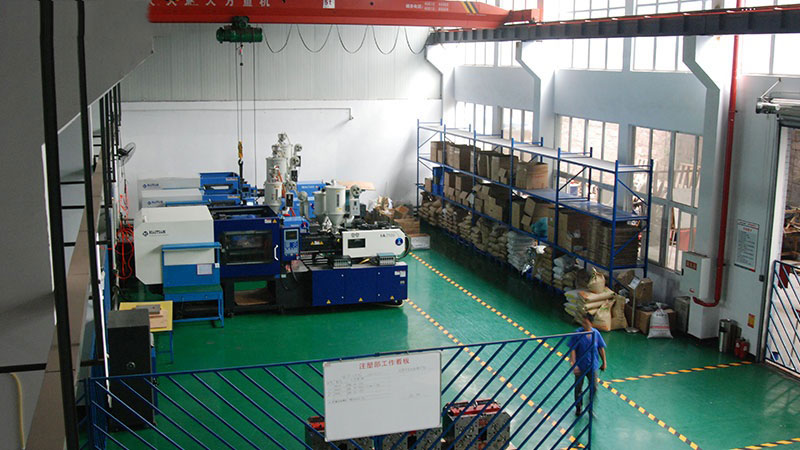
    For overseas buyers and product developers, sourcing a custom plastic injection mold is a critical first step in manufacturing. The most pressing question, and rightly so, is: how much does a custom plastic mold cost? The answer is rarely a simple figure, as quotes can range from a few thousand to over a hundred thousand dollars. This variance isn’t arbitrary; it’s dictated by a complex interplay of technical specifications, material choices, and project management factors. For 2026 and beyond, the focus for smart procurement shifts from merely finding the lowest price to partnering with a reliable China mold factory that delivers predictable value and mitigates risk. This guide breaks down the cost drivers and provides a framework for making an informed investment.

    Understanding Core Cost Drivers: More Than Just Size

    To navigate the market effectively, you must understand what you are paying for. The final price of your injection mold is built upon several foundational pillars. First, mold complexity is paramount. A simple, single-cavity mold for a flat part is economical. However, adding undercuts, intricate textures, tight tolerances, side-actions, unscrewing mechanisms, or multi-cavity arrays increases machining time, engineering labor, and assembly precision exponentially. Second, mold material and size matter. Standard pre-hardened steels (like P20) are cost-effective for prototype or low-volume runs. For production molds expecting millions of cycles, hardened steels (like H13 or S136) are essential, commanding a higher price due to material cost and the extended machining and heat treatment they require. The physical size of the mold block directly impacts raw material costs. Finally, part design and finish specifications play a role. A mirror polish or complex textured finish requires additional skilled labor compared to a standard machined finish.

    The Strategic Role of Your Part Design and Documentation

    Before you even request a quote, your preparedness significantly influences cost and reliability. Engaging in Design for Manufacturability (DFM) analysis with your potential supplier is not an extra step—it is a cost-saving necessity. A professional China mold factory will provide DFM feedback, suggesting modifications to wall thickness, rib design, or draft angles that can prevent future molding issues and simplify the mold structure. Furthermore, the quality of your documentation is crucial. Providing a fully detailed 3D CAD model (STEP or IGS format) along with comprehensive 2D drawings specifying critical dimensions, tolerances, and surface finishes eliminates guesswork. Ambiguity leads to quotation variances and, worse, costly revisions during production. Clear documentation ensures all bidders are quoting on the exact same scope, allowing for a true apples-to-apples comparison.

    Supplier Verification: The Cornerstone of Reliable Procurement

    In 2026, finding a reliable partner is the single most important factor in determining the true, long-term cost of your mold. The initial quote is just one part of the total cost of ownership, which includes maintenance, repair frequency, and part quality consistency. Rigorous supplier verification is your primary defense. Start by scrutinizing the manufacturer’s portfolio for molds similar in complexity and size to your project. Request and actually contact past overseas clients for references. A credible injection mold supplier will have case studies and testimonials. During the evaluation, insist on a transparent breakdown of their quality control processes. Do they use precision CNC, EDM, and wire-cutting equipment? What in-process inspection protocols (like CMM reports) do they follow? A factory visit or a live video audit is invaluable to assess their capabilities, workshop organization, and engineering team firsthand. This due diligence separates true partners from transactional vendors.

    Navigating Quotations and Implementing Proactive Quality Control

    When quotations arrive, analyze them beyond the bottom line. A suspiciously low quote often signals corner-cutting on materials, machinery, or engineering expertise, leading to mold failure and project delays. A professional quote should detail mold material grade, cavity count, expected cycle life, lead time, payment terms, and warranty conditions. It should also clarify what is included: are mold flow analysis, DFM, sample parts, and mold trial reports part of the package? Once an order is placed, proactive quality control is non-negotiable. Establish clear milestone inspections. Key stages include a first article inspection after the steel is machined, a T1 sample trial with the actual injection molding machine, and a final pre-shipment audit. Request high-resolution photos and videos at each stage, along with dimensional inspection reports. This staged approach prevents major surprises and ensures the project stays on track, protecting your investment.

    Conclusion: Investing in Predictability and Partnership

    So, how much does a custom plastic mold cost? The truthful answer is: it costs what it takes to build a robust, reliable tool that will produce quality parts consistently for its intended lifespan. For overseas buyers in 2026, the goal is to transform this significant capital expenditure into a predictable and successful investment. This is achieved by understanding the technical cost drivers, preparing your design meticulously, conducting thorough supplier verification, and implementing staged quality control. By focusing on these actionable steps, you move beyond price-shopping to value procurement. The right reliable manufacturing partner in China will not just deliver a mold; they will deliver peace of mind, a smoother production ramp-up, and a superior final product, ensuring your import journey is a strategic success.

    Work With Us

    As a professional China mold manufacturer, we provide one-stop mold solution for overseas buyers.
    📞 Phone: +86-18605944639
    💬 WhatsApp: +8618605944639
    🌐 Website: bestmoldworks.com
    📧 Email: [email protected]
  • plastic moulding factory: Professional Buying Guide 2026

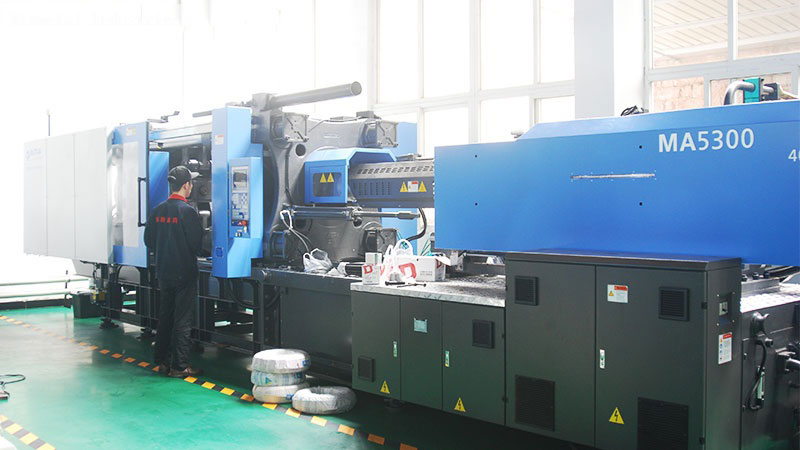
    For overseas buyers, sourcing injection molds and molded parts from China remains a strategic move for cost efficiency, advanced manufacturing capabilities, and scalable production. However, the landscape is evolving rapidly. Navigating the vast market of Chinese mold manufacturers requires an updated, professional approach to mitigate risks and secure true value. This 2026 guide cuts through the noise to provide actionable strategies for identifying, vetting, and partnering with a reliable plastic moulding factory in China.

    The cornerstone of successful procurement is thorough supplier verification, moving beyond basic website checks. In 2026, due diligence is multi-layered. Start with a deep dive into business credentials using official Chinese platforms like the National Enterprise Credit Information Publicity System to verify legal registration, capital, and ownership. Crucially, prioritize evidence of technical capability over sales promises. Request and analyze detailed case studies for projects similar in complexity, material, and volume to yours. A professional China mold factory should readily provide time-stamped videos of tool trials, first-article inspection reports, and client references you can actually contact. Furthermore, leverage video conferencing for virtual factory tours; insist on seeing the shop floor in real-time—observe the maintenance level of CNC machines, EDM, and injection molding presses, and the organization of the production environment. This step filters out trading companies masquerading as manufacturers and identifies partners with genuine production control.

    Once a potential partner is identified, mastering the technical and commercial quotation process is critical. A professional plastic moulding factory will view a comprehensive Request for Quotation (RFQ) as a sign of a serious buyer. Your RFQ must include a fully detailed 3D product design (STEP or IGS format), material specifications (grade and supplier), expected annual volumes, and critical-to-quality dimensions. For the mold itself, specify the mold base standard (LKM, HASCO, DME), steel grade (e.g., P20, H13, S136 for corrosion resistance), expected lifecycle (number of shots), and all surface finish requirements. In 2026, clarity on sustainability practices, such as the factory’s approach to material recycling and energy-efficient machinery, is also a valuable differentiator. Analyze quotations meticulously: a suspiciously low bid often indicates corner-cutting on steel quality, lack of necessary cooling, or omitted essential treatments like nitriding. Ensure the quote clearly separates mold cost, sample cost, and per-unit part price, with clear payment terms (e.g., 30-50% deposit, balance before shipment).

    Proactive and structured quality control is non-negotiable and must be planned from the outset. Agree on a Quality Control Plan before contract signing. This should mandate staged inspections: first, a Design for Manufacturability (DFM) report to catch design flaws pre-production; second, a pre-shipment inspection of the finished mold (T1 sample) using a Coordinate Measuring Machine (CMM) report on critical features; and third, initial production run sampling. For ongoing production, define Acceptable Quality Limits (AQL) for part inspections. Partner with a reputable third-party quality inspection firm based in China for impartial audits, especially for the critical first-article approval. A trustworthy supplier will not resist this. Modern factories utilize process validation tools like Scientific Molding techniques and provide real-time process data (cavity pressure, temperature curves) as proof of consistent production capability. This systematic approach to quality control transforms subjective assessment into objective, data-driven assurance.

    The final phase—logistics, IP protection, and partnership—solidifies a successful long-term import strategy. Use Incoterms 2020 precisely: FOB (Free On Board) is common, giving you control over shipping and insurance. For high-value molds, consider All-Risk marine cargo insurance. Intellectual property protection, while challenging, is manageable. Register your design patents and utility models in China before disclosing detailed designs. A well-drafted Non-Disclosure Agreement (NDA) and Product Development Agreement under Chinese law, reviewed by a local legal professional, are essential. Crucially, foster the relationship as a partnership. Schedule regular technical reviews, be clear and responsive in communication, and consider visiting in person for major project launches. A collaborative approach with your chosen China mold factory incentivizes them to prioritize your projects, offer proactive solutions for cost-saving design tweaks, and ensure reliable supply chain continuity for years to come.

    Importing molds from China in 2026 demands a blend of rigorous verification, technical clarity, and strategic partnership building. The market rewards informed buyers who invest time in due diligence and quality assurance protocols. By following this professional guide, you move beyond simply finding a supplier to cultivating a productive relationship with a capable plastic moulding factory. This disciplined approach minimizes procurement risks, ensures product quality, and ultimately secures the competitive advantage that motivated your sourcing decision, making your import journey a cornerstone of your business’s success.

    Work With Us

    As a professional China mold manufacturer, we provide one-stop mold solution for overseas buyers.
    📞 Phone: +86-18605944639
    💬 WhatsApp: +8618605944639
    🌐 Website: bestmoldworks.com
    📧 Email: [email protected]
  • china plastic mould manufacturer: Best Suppliers & Qua 2026

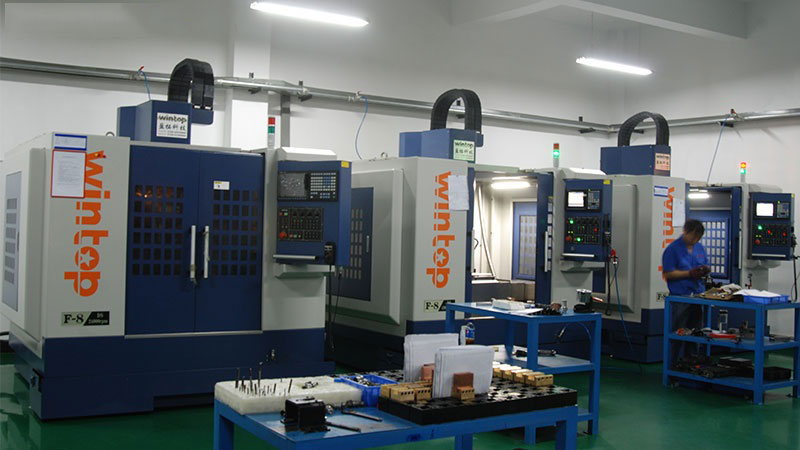
    For overseas buyers, sourcing a reliable china plastic mould manufacturer represents a significant strategic advantage, offering unparalleled cost efficiency and manufacturing scalability. However, the path to a successful partnership is often paved with challenges: verifying supplier legitimacy, ensuring consistent quality, managing logistics, and bridging cultural and communication gaps. This guide is designed to cut through the noise and provide you with actionable, professional strategies to navigate the Chinese mold manufacturing landscape in 2026, enabling you to procure high-quality injection molds with confidence.

    The foundation of a successful import project lies in meticulous supplier verification. Moving beyond a simple Alibaba search is crucial for 2026. Start by identifying a china plastic mould manufacturer with a proven track record in your specific industry, whether it be automotive components, consumer electronics, or medical devices. Scrutinize their business licenses (look for an official Registration Code) and visit their factory virtually or in person through recorded video audits. Key indicators of a professional China mold factory include their in-house capabilities—do they design, machine, and trial the molds themselves, or outsource critical steps? Request detailed case studies and contact past international clients for unbiased references. This due diligence phase, though time-consuming, is your primary risk mitigation tool.

    Once a potential partner is shortlisted, mastering the technical and commercial discussion is paramount. Professional procurement hinges on providing exceptionally clear and detailed Request for Quotation (RFQ) packages. For your injection mold, this must include a fully detailed 3D CAD model (STEP or IGS), 2D drawings with critical tolerances and surface finish specifications (SPI standards), and a sample or precise description of the final plastic part. Clearly state the material (e.g., PP, ABS, PC), expected annual volume, and cycle time targets. During negotiations, focus on total cost of ownership, not just the mold price. Discuss payment terms (e.g., 30-50% deposit, balance before shipment), warranty period for workmanship (typically 1-2 years), and provisions for mold modification costs. A transparent china plastic mould manufacturer will welcome this clarity and provide a comprehensive breakdown.

    Implementing a robust quality control framework from the first article to mass production is non-negotiable. Agree on a staged inspection protocol before production begins. The most critical phase is the Trial Out Report (TMR) or Sample Approval Process. Insist on receiving first-shot samples from the production mold, along with a detailed Dimension Inspection Report and photos/videos of the trial process. For higher-value projects, engage a third-party quality inspection service to conduct an Initial Sample Inspection Report (ISIR) or Production Part Approval Process (PPAP) audit at their facility. For ongoing production, define Acceptable Quality Limits (AQL) for part inspections. This proactive approach to quality control ensures the injection mold meets specifications and can produce consistent parts before it ever leaves the factory floor.

    Effective project and logistics management finalizes a successful procurement journey. Assign a single point of contact on both sides and establish regular update schedules using tools like shared spreadsheets or project management platforms. Be mindful of time zone differences and confirm all agreements in writing. Regarding logistics, understand your Incoterms 2020 clearly—FOB Shanghai is common, meaning your responsibility and risk start once the mold is loaded on the vessel. Ensure the China mold factory provides a professional mold export crate, complete with proper mounting and rust prevention. Arrange for marine insurance to cover transit. Finally, ensure you receive all essential documentation: commercial invoice, packing list, bill of lading, and most importantly, the mold design drawings and maintenance manual for future reference.

    Building a successful partnership with a Chinese injection mold supplier in 2026 requires a blend of diligent verification, precise communication, structured quality gates, and clear logistics planning. By treating the selection process as a strategic investment and implementing these professional procurement steps, you transform the challenge of distance into a competitive edge. The goal is to move beyond a transactional relationship to a collaborative partnership with a China mold factory that understands your quality standards and becomes a reliable extension of your supply chain. Start your next project with this framework to secure not only a mold but a foundation for manufacturing excellence.

    Work With Us

    As a professional China mold manufacturer, we provide one-stop mold solution for overseas buyers.
    📞 Phone: +86-18605944639
    💬 WhatsApp: +8618605944639
    🌐 Website: bestmoldworks.com
    📧 Email: [email protected]
  • custom plastic mold Manufacturerturer: Reliable Manufac 2026

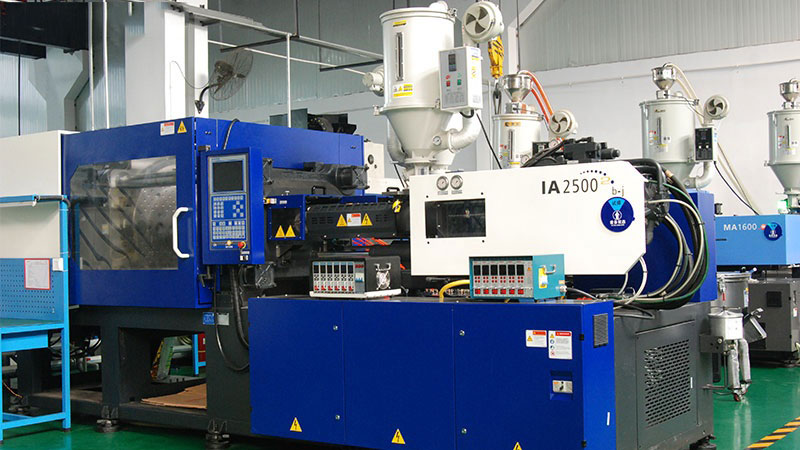
    For overseas buyers, sourcing a custom plastic mold manufacturer is a critical strategic decision that directly impacts product quality, time-to-market, and overall project cost. As we look toward 2026, the landscape of manufacturing in China continues to evolve, offering unparalleled expertise and value but also presenting well-known challenges in supplier verification and quality assurance. This guide is designed to cut through the noise and provide you with actionable, professional strategies to identify and partner with a reliable China mold factory, ensuring your injection mold procurement is a success.

    The foundation of a successful partnership lies in rigorous supplier verification. Moving beyond a simple website check or Alibaba profile is non-negotiable. Start by verifying the manufacturer’s business license via official Chinese platforms to confirm their legal entity status. Request a detailed company profile that outlines their specific experience with projects similar in size, complexity, and industry to yours. The most critical step is to conduct a virtual or, ideally, in-person factory audit. A reputable custom plastic mold manufacturer will readily facilitate this through a live video tour. During this audit, focus on their machine park—look for modern CNC, EDM, and injection molding equipment—and observe their workshop organization and in-house capabilities. This process filters out trading companies and uncovers the true production partners capable of delivering on technical promises.

    Once a potential partner is verified, mastering the technical and commercial discussion phase is essential. Providing exceptionally clear and detailed design data is your first responsibility. Comprehensive 3D CAD files (such as STEP or IGES), fully dimensioned 2D drawings with critical tolerances, and a detailed specification sheet are mandatory. This sheet should include material type, expected annual volumes, cavity requirements, surface finish specifications, and any critical cosmetic or functional standards. Simultaneously, obtain and scrutinize a formal quotation. A professional quote from a China mold factory will break down costs for mold design, materials, manufacturing, sampling, and shipping. Be wary of suspiciously low bids, as they often signal the use of inferior steel or skipped quality control steps. A transparent quote reflects a transparent process.

    The true measure of a manufacturer’s reliability is their commitment to systematic quality control. Before production begins, insist on a formal Design for Manufacturability review. A competent supplier will analyze your design and suggest modifications to improve moldability, reduce cost, and enhance durability. During manufacturing, demand a structured quality control protocol. Key checkpoints include material certification for the mold steel, first article inspection reports for critical components, and a final pre-shipment inspection. The most critical deliverable is the T1 sample. Upon receiving the first shots from the new injection mold, conduct a thorough evaluation against your specifications. A reliable partner will provide a sample report and work collaboratively to implement any necessary adjustments before mass production begins, ensuring the mold performs as intended.

    Effective project management and clear contractual agreements are the frameworks that protect your investment. Establish a single point of contact at the manufacturer who is proficient in English and technically knowledgeable. Agree on a project timeline with defined milestones for design approval, mold base procurement, T1 sample delivery, and final shipment. Use these milestones for structured progress updates. Your contract or purchase agreement must be explicit. It should detail payment terms linked to milestones, intellectual property ownership clauses, warranty provisions for the injection mold, protocols for handling design changes, and liability definitions. A professional contract aligns expectations and provides clear recourse, transforming a handshake agreement into a secure business partnership.

    Looking ahead to 2026, building a resilient supply chain means viewing your chosen custom plastic mold manufacturer as a long-term strategic partner, not just a transactional vendor. After a successful first project, invest in the relationship. Provide constructive feedback, discuss future product pipelines, and explore opportunities for continuous improvement. A trustworthy partner will value this approach and will likely offer more favorable terms and prioritized service for repeat business. This collaborative mindset is the ultimate solution to sustainable procurement, turning the initial challenge of distance and difference into a competitive advantage through reliability and mutual growth.

    In conclusion, reliably manufacturing a custom plastic injection mold in China in 2026 is an achievable and strategically sound goal for overseas buyers. The path to success is built on a disciplined process: meticulous supplier verification, precise technical communication, an unwavering focus on quality control, and robust project governance. By implementing these actionable steps, you move beyond simply finding a supplier to cultivating a partnership with a China mold factory that delivers consistent quality, protects your intellectual property, and supports your product’s success in the global marketplace. The future of manufacturing is collaborative, and your reliable partner is ready to be found.

    Work With Us

    As a professional China mold manufacturer, we provide one-stop mold solution for overseas buyers.
    📞 Phone: +86-18605944639
    💬 WhatsApp: +8618605944639
    🌐 Website: bestmoldworks.com
    📧 Email: [email protected]

  • create custom molds: Ultimate Guide for Buyers 2026

    For overseas businesses, the decision to create custom molds is a pivotal step towards product innovation, cost optimization, and market competitiveness. China remains the global epicenter for mold manufacturing, offering unparalleled expertise, scalability, and value. However, navigating this complex landscape requires more than just finding the lowest quote. This 2026 guide is designed to cut through the noise, providing you with a professional, actionable framework to successfully procure high-quality custom molds from China, mitigating risks and ensuring a return on your investment.

    The foundation of a successful project lies in selecting the right China mold factory. The market is vast, ranging from highly specialized workshops to full-service giants. Your first task is to conduct thorough supplier verification. Move beyond Alibaba listings. Scrutinize business licenses, years in operation, and export history. Insist on a virtual or, ideally, an in-person factory audit. A reputable supplier will readily provide video tours showcasing their CNC machining centers, EDM equipment, and clean assembly areas. Examine their portfolio for projects similar in complexity, material, and industry to yours. Specifically, assess their expertise in your required mold type, whether it be a high-precision injection mold for medical devices or a large multi-cavity mold for consumer goods. This due diligence phase is non-negotiable and filters out unqualified partners early.

    Once a potential partner is identified, the procurement process must be anchored in crystal-clear technical communication. Ambiguity is the primary cause of cost overruns and delays. Develop a comprehensive Request for Quotation package. This should include not just 3D CAD models, but a detailed technical specification document covering mold steel grade, cavity surface finish, tolerance levels, cooling channel design, and expected cycle time. For injection molds, specify the resin material as it affects shrinkage and gate design. Clearly outline deliverables: Are you buying the mold only, or does the package include sampling, trial reports, and mold maintenance? Use internationally recognized standards. Stating “mold must achieve SPI Class 101” is more effective than “high-quality polish.” This precision enables accurate comparisons between quotes and sets a contractual benchmark for quality.

    A strategic approach to quality control, implemented in phases, is your strongest safeguard against defective molds arriving at your doorstep. Do not treat QC as a single pre-shipment inspection. Implement a staged protocol. First, require a First Article Inspection report on the mold steel material certificate. Next, insist on in-process photos and videos of key milestones: core and cavity machining, electrode fabrication, and fitting. The most critical phase is the Trial Run Report. The factory must conduct mold trials, produce sample parts, and provide full documentation including shot parameters, dimensional measurement reports, and photos of the samples. For critical projects, engage a third-party quality inspection firm in China to witness the trial and audit the process. This layered QC strategy identifies issues while the mold is still at the factory, where corrections are cost-effective and swift.

    Understanding and negotiating commercial terms with foresight is essential for a smooth partnership. While unit price is important, the total cost of ownership includes mold maintenance, warranty, and potential modifications. Clearly define payment terms; a common and balanced structure is 50% deposit, 40% after successful trial sampling, and 10% after final approval. Secure a written warranty for workmanship and materials, typically 12-24 months, covering repair or replacement for failures under normal use. Discuss intellectual property protection upfront, signing a Non-Disclosure Agreement and considering clauses that prevent the factory from using your design for other clients. Finally, plan for logistics and import duties in your home country. A reliable China mold factory will have experience with export packaging and documentation, but understanding your local customs regulations is your responsibility.

    Successfully partnering with a Chinese manufacturer to create custom molds is a disciplined process of verification, communication, and control. It transforms a perceived risk into a formidable competitive advantage. By meticulously vetting your China mold factory, mastering technical specifications, implementing phased quality control, and structuring clear commercial terms, you build more than just a supplier relationship—you establish a strategic extension of your production capability. As you move forward in 2026 and beyond, let this structured approach guide your procurement journey, ensuring that the molds you import are catalysts for innovation, quality, and growth for your business.

    Work With Us

    As a professional China mold manufacturer, we provide one-stop mold solution for overseas buyers.
    📞 Phone: +86-18605944639
    💬 WhatsApp: +8618605944639
    🌐 Website: bestmoldworks.com
    📧 Email: [email protected]

  • custom injection molding near me: Reliable Manufactur 2026

    For overseas buyers and procurement specialists, the search for “custom injection molding near me” often reveals a challenging reality: high local costs, limited capacity, or extended lead times that strain project budgets and timelines. This localized search, however, may be overlooking the most strategic solution for the coming year. For 2026 and beyond, building a reliable manufacturing partnership with a proficient China mold factory is not merely a cost-saving tactic; it is a competitive advantage. This guide shifts the perspective from a geographical query to a strategic procurement process, providing actionable steps to successfully navigate the Chinese manufacturing landscape and secure a dependable source for high-quality injection molds and parts.

    The cornerstone of successful importation is rigorous supplier verification. Moving beyond a simple online directory search is critical. Begin by identifying potential partners with demonstrable expertise in your specific industry, whether automotive, medical, consumer electronics, or packaging. A reliable supplier will have a portfolio showcasing complex injection mold designs and finished parts. Utilize video conferencing to conduct virtual factory tours; insist on seeing their mold manufacturing workshop, injection molding machines, and, crucially, their quality control lab. Verify certifications like ISO 9001, which indicates a structured quality management system, and any industry-specific standards such as IATF 16949 for automotive. Third-party verification platforms and background checks can further validate the company’s legal standing and export history. This due diligence transforms an anonymous “China mold factory” into a vetted potential partner.

    Once a supplier is shortlisted, mastering the technical and commercial communication phase is essential. The quote you receive for your injection mold is only as good as the information provided. Prepare a comprehensive and unambiguous Request for Quotation (RFQ). This should include detailed 3D part drawings (STEP or IGES files), 2D technical drawings with GD&T tolerances, material specifications (including grade and color), and expected annual volumes. Clearly discuss mold steel preferences—such as pre-hardened steel like P20 for prototypes or hardened steels like H13 for high-volume production—as this significantly impacts cost and longevity. Be explicit about mold ownership, payment terms (avoiding large upfront sums; 30-50% deposit is standard), and delivery terms (Incoterms like FOB or EXW). A professional supplier will ask clarifying questions, suggest design for manufacturability (DFM) improvements to reduce cost and improve part quality, and provide a transparent breakdown of costs for mold fabrication and piece-part pricing.

    Proactive and structured quality control is non-negotiable and must be integrated from the very beginning. Do not assume quality will be managed solely at the final inspection stage. Insist on a staged quality plan. This should include approval of mold flow analysis before steel is cut, a First Article Inspection (FAI) report with full dimensional results from the initial sample shots, and a pre-shipment inspection (PSI) of production units. Many reputable suppliers offer in-process inspection photos and videos. For critical projects, consider engaging a local third-party quality inspection company to conduct audits and inspections on your behalf. This independent verification provides an objective assessment of the injection mold’s performance and the consistency of the production runs. Establishing clear Acceptable Quality Level (AQL) standards for any sampling inspections is a fundamental step in aligning expectations and preventing disputes.

    Building a partnership for 2026 requires a forward-looking approach that transcends a single transaction. The most successful import relationships are built on clear communication, mutual respect, and long-term alignment. Invest time in building a rapport with your engineering and project management contacts. Use collaborative tools to track progress. View initial projects as a learning curve for both parties; a well-managed first mold can lead to streamlined processes for future projects. Discuss their capacity for scaling production and their approach to maintenance and repair of the injection molds they build. A reliable partner will be transparent about challenges and work collaboratively to solve problems, ensuring not just a supplier for a single order, but a manufacturing extension of your own operations for years to come.

    In conclusion, the path to reliable manufacturing in 2026 for custom plastic parts is strategically global. By redefining the search intent behind “custom injection molding near me” to focus on capability and reliability over mere proximity, overseas buyers unlock unparalleled value and scalability. The process demands diligence in supplier verification, precision in technical communication, rigor in quality control, and a commitment to partnership. By following these actionable steps, you can confidently navigate procurement from a China mold factory, transforming the complexities of international supply chains into a streamlined, dependable, and competitive asset for your business. The future of cost-effective, high-quality injection molding lies in forging these intelligent, well-managed global partnerships.

    Work With Us

    As a professional China mold manufacturer, we provide one-stop mold solution for overseas buyers.
    📞 Phone: +86-18605944639
    💬 WhatsApp: +8618605944639
    🌐 Website: bestmoldworks.com
    📧 Email: [email protected]

  • mold Manufacturerturers near me: Expert Tips & Soluti 2026

    For overseas buyers, the search for “mold manufacturers near me” often ends with a realization: the most competitive expertise, technology, and value are not necessarily local, but are concentrated in specialized industrial hubs across the globe. For injection molds and tooling, China remains the world’s foremost destination. However, procuring high-quality molds from a China mold factory involves navigating distance, culture, and complex supply chains. This guide provides actionable, professional solutions to transform your import process from a daunting risk into a strategic advantage in 2026 and beyond.

    The core challenge is not finding a manufacturer, but efficiently identifying and vetting the right partner from thousands of options. The physical distance amplifies concerns about communication, quality control, and intellectual property. A successful procurement strategy must therefore be built on systematic verification and clear processes, moving beyond simple price comparisons to evaluate capability, reliability, and long-term partnership potential.

    **Solution 1: Redefine Your Search and Master Supplier Verification**

    Your first step is to shift your search paradigm. Instead of a generic online search, target industry-specific platforms like Global Sources, Made-in-China, and Alibaba, but use advanced filters. Look for suppliers verified by third-party inspections, with detailed company profiles showcasing their machinery (E.g., German or Japanese CNC, EDM machines) and mold flow analysis software. True supplier verification begins here but must be deepened. Always request a business license (via a platform like Tianyancha) and insist on a video conference tour of the factory floor. A legitimate China mold factory will readily arrange this. Observe the workshop organization, machine maintenance, and ask to see ongoing projects similar to your needs. This virtual audit is your most powerful tool for initial filtering and directly addresses the intent behind “mold manufacturers near me” by bringing distant operations to your screen.

    **Solution 2: Prioritize Technical Dialogue and Prototype Processes**

    Price should never be the first topic. Begin your dialogue with a comprehensive technical data package: 3D drawings (STEP or IGS), material specifications, expected cycle times, and part volume projections. A competent manufacturer will engage deeply with these details, asking questions about tolerances, surface finish (SPI standards), and ejection plans. Discuss their standard prototyping process. Do they offer T1 sample inspection reports with CMM data? Will they provide mold flow analysis before cutting steel? Their willingness to invest time in technical clarification is a key indicator of professionalism. This step separates part producers from true toolmakers and ensures both parties have aligned expectations before any commitment, mitigating a major source of project failure.

    **Solution 3: Implement Structured Quality Control Gates**

    Passive hope is not a strategy. You must build active quality control checkpoints into your contract and payment schedule. A standard and effective QC structure includes: 1) **Design Review Approval:** Sign off on the final mold design and flow analysis. 2) **First Article Inspection (FAI):** Upon T1 sample arrival, conduct a dimensional report against your CAD data. Use a local measuring service or invest in precise tools. 3) **Pre-shipment Audit:** Hire a third-party inspection company (like SGS, BV, or AsiaInspection) to perform an on-site Dimensional Production Validation at the factory before shipment. They will check critical dimensions, material, hardness, and part functionality. This layered approach protects your investment and provides leverage for corrections while the mold is still under the manufacturer’s control.

    **Solution 4: Navigate Logistics and IP Protection Pragmatically**

    Logistics and legal protection are operational essentials. For logistics, clarify Incoterms (FOB is most common) and understand who is responsible for freight, insurance, and customs clearance in your country. Partner with a freight forwarder experienced in模具 (mold) shipping, as molds are heavy, high-value items requiring proper crating. For Intellectual Property (IP), a well-drafted Non-Disclosure Agreement (NDA) and product development agreement are crucial. While enforcement can be challenging, registering your design patents or utility models in China provides a stronger legal footing. Furthermore, working with established factories that serve branded Western companies often signals a better respect for IP, as their business model depends on their reputation.

    **Solution 5: Foster Partnership Through Clear Communication**

    View your chosen manufacturer as a long-term partner, not a one-time vendor. Establish a single point of contact who is technically proficient, preferably an engineer or project manager with English capability. Use clear, simple language in all written communication and confirm understanding. Tools like shared project management platforms (Trello, Asana) or even regular structured email updates with photos and videos can bridge the communication gap. Celebrate successful projects and provide constructive feedback. This relationship capital is invaluable for future projects, priority scheduling, and resolving any issues that may arise, effectively creating your own reliable “mold manufacturers near me” network on the other side of the world.

    Conclusion

    Importing molds from China in 2026 is a process mastered through diligence, not distance. By re-engineering your search into a verification process, leading with technical rigor, enforcing structured quality gates, securing your logistics and IP, and investing in communication, you transform procurement from a daunting task into a core competitive strength. The ultimate solution to finding “mold manufacturers near me” is to leverage global expertise with local-level oversight. The goal is not merely to buy a mold; it is to secure a precision tool and a capable manufacturing partner that delivers quality, value, and reliability for years to come. Start your next project with this framework, and you will navigate the complexities with confidence and professional clarity.

    Work With Us

    As a professional China mold manufacturer, we provide one-stop mold solution for overseas buyers.
    📞 Phone: +86-18605944639
    💬 WhatsApp: +8618605944639
    🌐 Website: bestmoldworks.com
    📧 Email: [email protected]

  • injection molding factory in china: Ultimate Guide for 2026

    For overseas buyers, partnering with an injection molding factory in China remains one of the most strategic decisions to achieve cost efficiency, scalability, and advanced manufacturing capabilities. However, the landscape is evolving rapidly. As we look toward 2026, success hinges on navigating new complexities in technology, sustainability, and supply chain resilience. This guide cuts through the noise to provide a professional, actionable roadmap for your procurement journey, helping you solve real problems and forge partnerships with reliable Chinese mold manufacturers.

    Mastering Supplier Verification and Qualification

    The foundation of a successful import project is a thoroughly vetted supplier. Moving beyond a simple Alibaba search is non-negotiable. Start with a multi-faceted verification process. First, scrutinize business licenses and certifications; ISO 9001 is a baseline, while industry-specific certifications like IATF 16949 for automotive are critical for those sectors. Second, leverage video conferencing tools to conduct virtual factory tours. In 2026, a reputable China mold factory will be transparent, showcasing not just machinery but also their workshop organization, safety protocols, and material handling areas. Third, request and contact a detailed client list, specifically asking for references from international buyers in your region or industry. Finally, consider using third-party verification services for an unbiased audit of their operational and financial standing before you ever discuss an injection mold design.

    Strategic Communication and Technical Alignment

    Miscommunication is the primary source of cost overruns and delays. To mitigate this, your technical data package must be impeccable. Provide fully detailed 3D CAD files (STEP or IGES) and comprehensive 2D drawings with GD&T (Geometric Dimensioning and Tolerancing) standards clearly defined. Specify material grades precisely, including preferred resin manufacturers. When discussing your project with the injection molding factory in China, insist on a formal Design for Manufacturability (DFM) report. This document is crucial—it demonstrates the factory’s expertise by highlighting potential production issues, suggesting optimizations for mold flow, and aligning expectations before steel is cut. Treat the DFM review as a collaborative, iterative process to ensure both parties are technically synchronized.

    Implementing Proactive and Structured Quality Control

    Quality cannot be inspected into a product; it must be built into the process. Your agreement must outline a structured QC protocol from the start. This includes First Article Inspection (FAI) reports against your drawings, and defined In-Process Quality Control (IPQC) checkpoints during production. For 2026, the standard is to engage a trusted third-party quality inspection firm within China for pre-shipment inspections. They will conduct AQL sampling, functional testing, and cosmetic checks at the factory, providing you with an objective report before shipment. For critical components, consider having a resident QC inspector or scheduling periodic visits yourself. Clearly define quality standards, provide signed-off physical samples, and use tools like Process Failure Mode and Effects Analysis (PFMEA) for complex parts to ensure your injection mold produces consistent, high-quality parts.

    Navigating Logistics, IP Protection, and Total Cost Analysis

    The lowest unit price can be misleading. Conduct a Total Cost of Ownership (TCO) analysis that includes mold cost, piece price, packaging, shipping, insurance, import duties, and potential costs for rework. For Intellectual Property (IP) protection, a robust Non-Disclosure Agreement (NDA) is the first step, but it must be enforceable in China. Follow this with a contract that explicitly states ownership of all mold designs and tooling. Physically branding the mold with your company name and cavity number is a simple, effective deterrent. On logistics, work with your chosen China mold factory to understand Incoterms 2020 thoroughly—FOB is common, but you may prefer EXW or DAP depending on your control preferences. Partner with a reliable freight forwarder experienced in handling industrial machinery and plastic products to manage sea or air freight, customs clearance, and final delivery.

    Building a Partnership for Long-Term Success

    The most successful import relationships view the factory as a strategic partner, not just a transactional vendor. This is especially true as industries move towards smart manufacturing and sustainability. Discuss the factory’s roadmap for Industry 4.0 technologies, such as IoT-enabled machines for real-time monitoring, which can offer you greater production visibility. Inquire about their environmental policies and ability to work with recycled or bio-based polymers, a growing requirement in global markets. Foster the relationship through clear, consistent communication, timely payments, and fair negotiations. A partner invested in your success will proactively manage mold maintenance, offer production scheduling flexibility, and collaborate on future product iterations.

    Conclusion

    Importing molds from China in 2026 demands a blend of diligent verification, technical clarity, and strategic partnership. By implementing a rigorous supplier qualification process, insisting on detailed DFM and structured QC, understanding total costs and IP safeguards, and aiming for collaborative long-term relationships, you can significantly de-risk your procurement. The competitive advantage offered by a proficient injection molding factory in China is substantial, but it must be accessed with professionalism and foresight. Use this guide as your framework to not only find a supplier but to build a reliable extension of your manufacturing operations, ensuring quality, efficiency, and innovation for years to come.

    Work With Us

    As a professional China mold manufacturer, we provide one-stop mold solution for overseas buyers.
    📞 Phone: +86-18605944639
    💬 WhatsApp: +8618605944639
    🌐 Website: bestmoldworks.com
    📧 Email: [email protected]