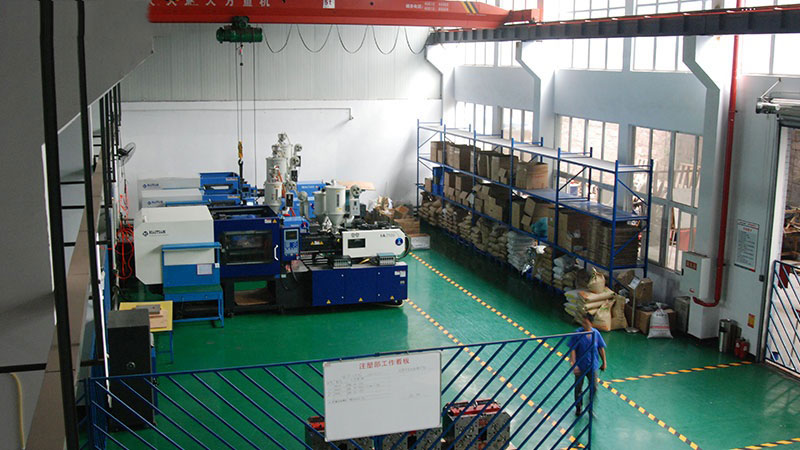
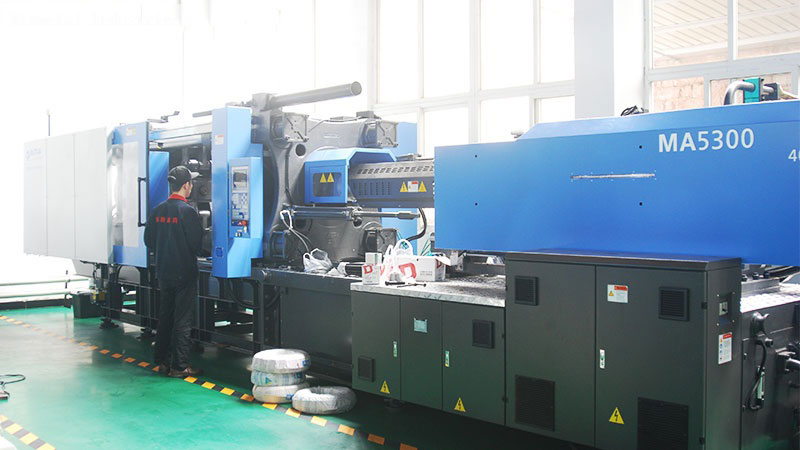
Navigating the landscape of custom plastic injection mold manufacturing in China presents a significant opportunity for overseas buyers to achieve substantial cost savings and access world-class manufacturing capabilities. However, the journey from concept to a high-quality, production-ready mold involves complex steps, from initial supplier verification to rigorous quality control. This guide is designed to cut through the noise and provide you with a clear, actionable roadmap for 2026 and beyond. We will address the real challenges you face and offer practical solutions to ensure your procurement process is efficient, transparent, and successful, ultimately connecting you with the right China mold factory for your project.
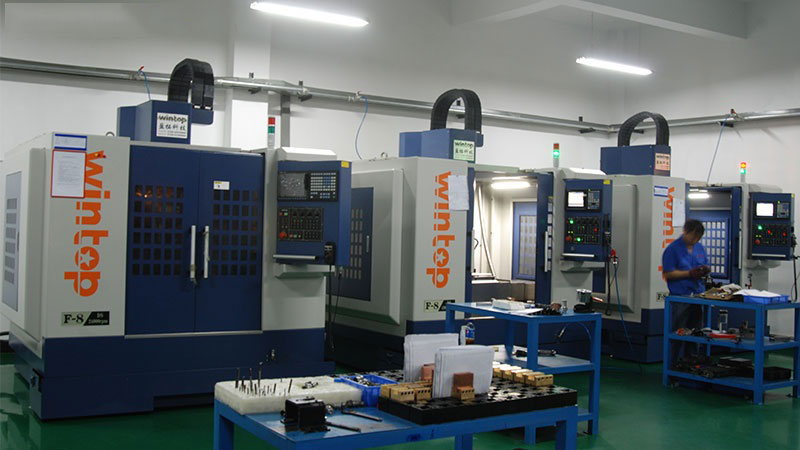
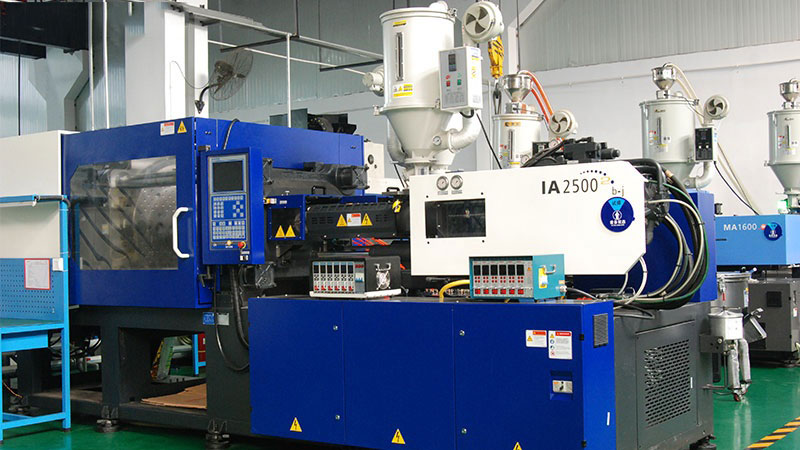
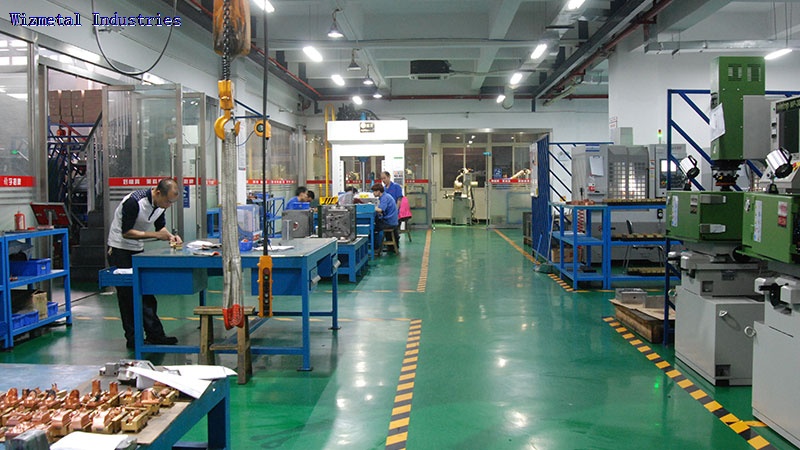
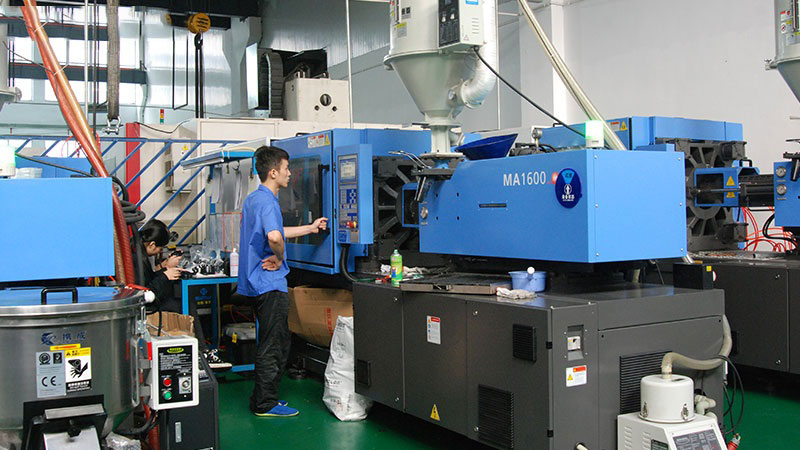
The foundational step, and arguably the most critical, is thorough supplier verification. The term “manufacturer” can be misleading, as many entities are trading companies or brokers. Your first action must be to confirm you are dealing with a genuine, equipped factory. Request a virtual tour via video call, asking to see their CNC machining centers, EDM machines, and mold trial workshops. Verify business licenses and export records. Crucially, ask for detailed case studies of molds they have built for overseas clients, specifically in your industry or of similar complexity. A professional custom plastic injection mold manufacturer will be transparent and proud to showcase their facilities and past work, providing tangible proof of their capability before any financial commitment is made.
Once a potential partner is verified, mastering the technical and commercial communication phase is essential. The success of your injection mold hinges on the clarity and completeness of your requirements. Develop a comprehensive Request for Quotation document that includes not just part drawings, but also material specifications, expected annual volumes, cavitation requirements, surface finish standards, and tolerance expectations. Clearly define the mold steel grade and standard you require. During discussions, pay close attention to how the engineering team communicates. Do they ask insightful questions? Do they propose design for manufacturability improvements? A competent China mold factory will engage in a technical dialogue, not just provide a price. This collaborative approach in the planning stage prevents costly misunderstandings and revisions later.
Implementing a staged quality control protocol is non-negotiable for overseas procurement. You cannot rely on a single pre-shipment inspection. Insist on a milestone-based inspection plan integrated into the contract. Key stages typically include a first article inspection after the mold frame is machined, a critical dimension check after cavity and core completion, and a full sample trial with final parts produced on their injection molding machine. For each stage, require high-resolution photos and measurement reports. For the final trial, a video of the molding process and a dimensional report of the produced samples are mandatory. Many reputable manufacturers offer third-party inspection services from firms like SGS or Bureau Veritas, which can provide an additional layer of objectivity. This proactive, evidence-based approach to quality control is your primary tool for risk mitigation.
Understanding and managing the total cost of ownership, beyond the initial mold price, is a mark of a sophisticated buyer. While competitive pricing is a key advantage of sourcing from China, the lowest quote can often lead to higher long-term costs due to poor mold life, maintenance issues, or part quality problems. Break down the quotation in detail: what is included in the mold price? Are spare parts, mold base, or future modifications included? What are the payment terms? A standard and secure structure is often 30-40% deposit, 50-60% before shipment, and 10% retained until sample approval. Discuss post-sales support explicitly—will they provide maintenance guidance and priority support for spare parts? A reliable custom plastic injection mold manufacturer views the initial mold as the start of a partnership and will be clear about long-term support, ensuring your mold remains productive for its entire lifespan.
The final step is navigating logistics and protecting your intellectual property. Ensure your supplier has experience in export packaging—molds must be crated in wooden boxes with proper desiccant and anti-rust treatment for sea freight. Clarify incoterms; FOB is common, giving you control over the shipping line and insurance. Regarding IP, while China has strengthened its IP laws, practical steps are vital. Sign a Non-Disclosure Agreement and consider filing a design patent in China if the part is highly unique. Furthermore, a well-drafted contract that includes IP ownership clauses and jurisdiction for dispute resolution is essential. Working with a manufacturer that respects and understands these concerns is a key indicator of professionalism and long-term reliability.
Successfully importing a high-quality injection mold from China in 2026 requires a blend of diligent verification, clear communication, structured quality control, and strategic partnership thinking. By moving beyond price as the sole deciding factor and implementing the actionable steps outlined above—from virtual factory tours and milestone inspections to detailed contracts—you transform the procurement process from a risky venture into a strategic advantage. The goal is to build a relationship with a China mold factory that is not just a supplier, but a technical partner capable of delivering precision, reliability, and value, project after project. With this disciplined approach, you can confidently leverage China’s manufacturing excellence to fuel your product innovation and competitive edge.
Work With Us
As a professional China mold manufacturer, we provide one-stop mold solution for overseas buyers.
📞 Phone: +86-18605944639
💬 WhatsApp: +8618605944639
🌐 Website: bestmoldworks.com
📧 Email: [email protected]