Navigating the landscape of custom plastic mould manufacturing in China presents a significant opportunity for overseas buyers seeking cost-effective, high-quality tooling. However, the journey from concept to a perfect injection mold in your hands is fraught with potential challenges, from communication gaps to quality inconsistencies. As we look toward 2026, the strategies for successful procurement are evolving. This guide cuts through the noise to provide actionable, professional advice for partnering with a reliable China mold factory. We will focus on solving real problems you face, ensuring your next project is built on a foundation of clarity, verification, and controlled execution.
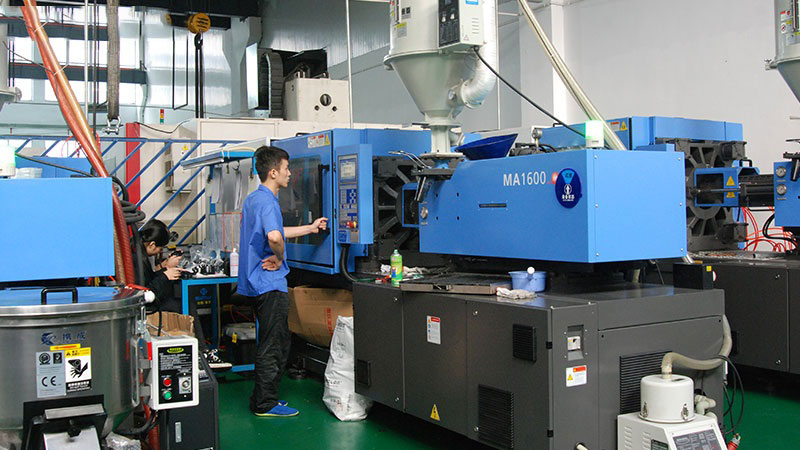
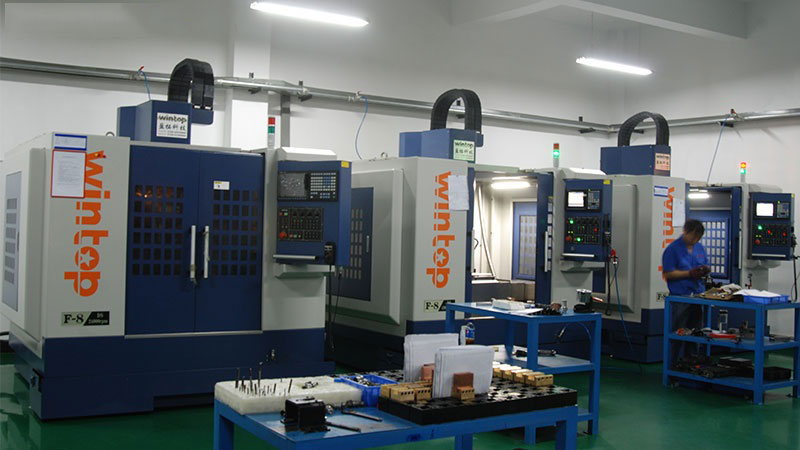
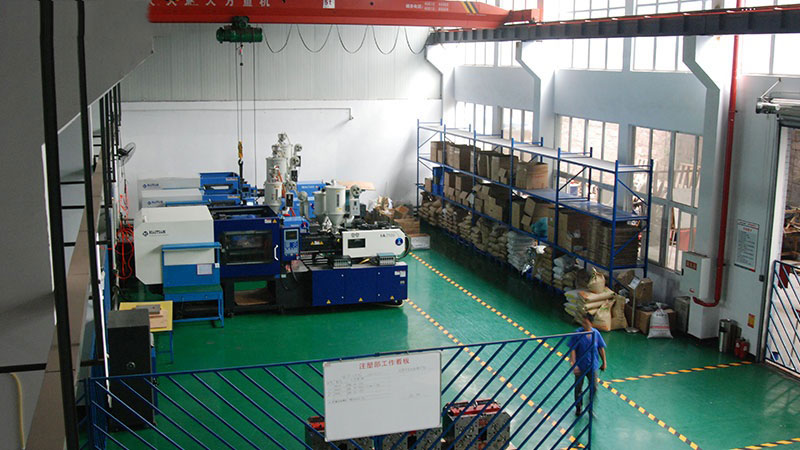
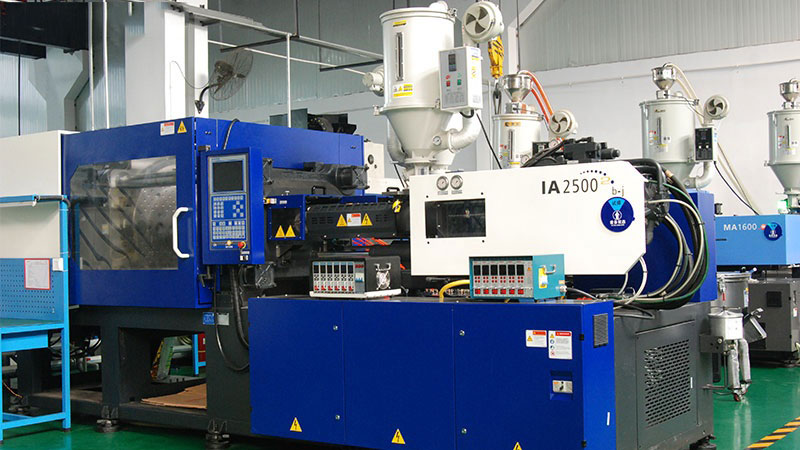
The cornerstone of a successful import project is a meticulous and multi-stage supplier verification process. In 2026, simply browsing Alibaba listings is insufficient. Start with a deep-dive into the manufacturer’s core competencies. Do they have a proven track record with parts similar to yours in material, size, and complexity? Request detailed case studies, not just glossy photos. A professional China mold factory will readily provide these. Crucially, initiate a video conference to conduct a virtual factory tour. This allows you to assess their machinery, workshop organization, and engineering team firsthand. Verify their certifications, but understand their practical application. Ask specific questions about their mold flow analysis software, their standard mold base suppliers, and their protocol for design for manufacturability (DFM) feedback. This stage is about moving from a list of potential vendors to a shortlist of qualified partners.
Once you have identified a potential partner, mastering the technical and commercial dialogue is your next critical step. The quotation phase is a litmus test for professionalism. Be wary of surprisingly low quotes; they often signal corner-cutting on steel quality, component standards, or engineering time. Provide your potential custom plastic mould manufacturers with a comprehensive package: a detailed 3D part drawing (STEP or IGS format), material specifications, expected annual volumes, and cosmetic requirements. A reputable supplier will respond not just with a price, but with a preliminary DFM report highlighting potential issues like wall thickness, sink marks, or ejection challenges. This collaborative approach to problem-solving at the quotation stage sets the tone for the entire project. Clearly negotiate and document terms for design changes, payment milestones linked to tangible deliverables (e.g., 30% after DFM approval, 40% after T1 sample approval), and intellectual property protection in your contract.
Proactive and structured quality control is non-negotiable, especially when managing projects from overseas. Do not leave inspection solely to the final pre-shipment check. Implement staged quality gates throughout the mold manufacturing process. Key inspection points include the mold material certificate review, cavity and core machining completion, and most importantly, the first article sample (T1) evaluation. For critical projects, engage a trusted third-party quality inspection service in China to conduct an Initial Sample Inspection Report (ISIR) when the T1 samples are produced. They will check the samples against your drawings and specifications, providing an unbiased report. Furthermore, insist on a comprehensive mold trial report with process parameters, which is invaluable for replicating the process in your own injection molding facility. This data-driven approach to quality control transforms subjective assessment into objective verification.
The journey does not end when the mold is shipped. Planning for the long-term relationship is a hallmark of strategic procurement. Discuss and agree upon post-sales support before order placement. What is their policy on mold modification if your part design changes? How do they handle wear and tear or damage over time? Reliable custom plastic mould manufacturers will offer maintenance services and typically provide a warranty period for workmanship and materials. Establish clear communication channels for troubleshooting future production runs. Furthermore, consider the total cost of ownership. A slightly higher initial investment in a robust mold from a verified supplier often results in lower downtime, longer tool life, and consistent part quality, yielding a far better return over the mold’s lifespan. This forward-thinking perspective is essential for sustainable supply chain management in 2026 and beyond.
Successfully importing an injection mold from China in 2026 demands a shift from transactional buying to strategic partnership development. The process hinges on rigorous supplier verification, technically detailed communication, embedded quality control protocols, and a focus on long-term collaboration. By implementing these expert tips and solutions, you transform the inherent complexities of overseas procurement into a structured, manageable, and highly rewarding endeavor. The goal is to move beyond finding just a supplier to cultivating a true manufacturing partner—a China mold factory that is an integral extension of your own production capabilities, delivering precision, reliability, and value for years to come.
Work With Us
As a professional China mold manufacturer, we provide one-stop mold solution for overseas buyers.
📞 Phone: +86-18605944639
💬 WhatsApp: +8618605944639
🌐 Website: bestmoldworks.com
📧 Email: [email protected]