Blog

  • custom plastic mold Manufacturerturer: Professional Buy 2026

    For overseas buyers, sourcing a custom plastic mold manufacturer in China represents a significant opportunity for cost efficiency, advanced manufacturing capability, and scalability. However, navigating this complex landscape requires a professional and updated strategy. As we look toward 2026, the dynamics of global manufacturing and digital procurement continue to evolve. This guide is designed to cut through the noise and provide you with actionable, professional insights to secure a reliable partnership with a top-tier China mold factory. We will solve real problems in the procurement journey, from initial supplier verification to final quality control, ensuring your investment in a custom injection mold delivers the expected value and performance.

    Mastering Supplier Verification and Vetting

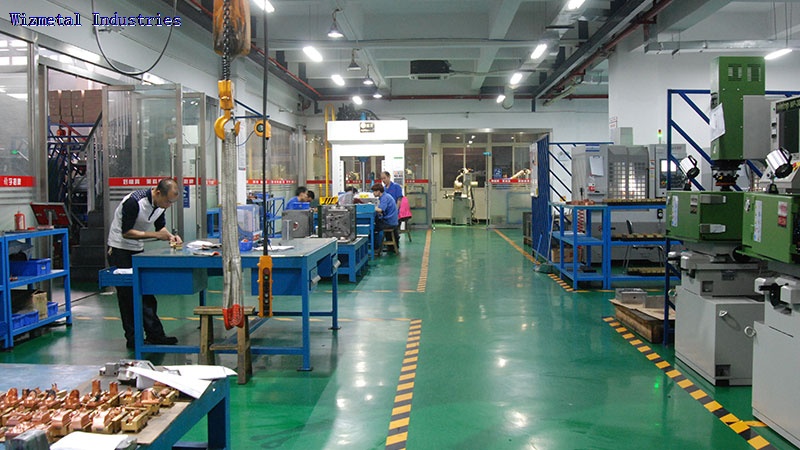
    The foundational step in your 2026 procurement plan must be rigorous supplier verification. The term “manufacturer” can be ambiguous, often encompassing trading companies that outsource production. Your first actionable tip is to insist on direct verification. Begin with a comprehensive review of the supplier’s business licenses and export history. Utilize video calls to conduct virtual factory tours; a legitimate custom plastic mold manufacturer will readily showcase their workshop, machinery like CNC centers, EDM machines, and injection molding presses, and their engineering team. Request to speak directly with a project engineer to discuss your specific part. This tests their technical competency immediately. Furthermore, use third-party inspection services for preliminary background checks and verify their certifications, not just for the quality management system like ISO 9001, but also for industry-specific standards relevant to your product. In 2026, digital trust signals such as verified profiles on professional B2B platforms will be as crucial as traditional references.

    The Critical Role of DFM and Technical Collaboration

    A professional partnership transcends a simple buyer-supplier transaction. Once you have shortlisted a potential custom plastic mold manufacturer, the true test lies in the Design for Manufacturability process. A competent China mold factory will not simply quote on your provided 3D file but will proactively offer a detailed DFM report. This report should highlight potential issues in part design that could lead to molding defects, unnecessary complexity, or high costs. It will suggest optimizations for wall thickness, rib design, draft angles, and gate locations to ensure the injection mold is both producible and durable. Engage deeply in this stage. Provide clear material specifications, expected annual volumes, and cosmetic requirements. The responsiveness, expertise, and communicative clarity during technical collaboration are the strongest indicators of a successful long-term partnership and are non-negotiable for a professional buy in 2026.

    Implementing Stage-Gated Quality Control and Inspection

    Quality control cannot be an afterthought relegated to a pre-shipment inspection. For a critical component like a custom injection mold, a professional procurement strategy mandates a stage-gated QC protocol integrated into the contract. Define and agree upon critical inspection points before production begins. Typically, these include: First Article Inspection after mold trial, using parts produced from the mold to validate dimensions against your CAD data; a comprehensive mold qualification report documenting all parameters; and a final pre-shipment audit. For high-precision or high-volume molds, consider employing a third-party inspection agency in China to witness the mold trials and conduct measurements on your behalf. This provides an unbiased assessment of the mold’s performance and the initial part quality. This proactive, documented approach to quality control mitigates risk and ensures transparency throughout the manufacturing process.

    Navigating Logistics, IP Protection, and Total Cost

    The professional buyer looks beyond the unit price of the mold. A holistic view of total cost and project safeguards is essential for 2026. First, intellectual property protection must be contractual. Ensure a comprehensive Non-Disclosure Agreement is signed before sharing any technical data. The contract should explicitly state that all tooling and design modifications remain your property. Regarding logistics, clarify incoterms definitively. Will the supplier handle door-to-door shipping, or are you responsible for arranging freight from their factory? Understand all hidden costs: mold maintenance, warranty terms for repairs, and the cost of future mold modifications. A reputable custom plastic mold manufacturer will provide clear warranty documentation, often covering one to two years for workmanship and materials. Factor in payment terms; a standard secure progression might be 30-50% deposit, 40% after mold trial approval, and 10% before shipment. This aligns payment with verified project milestones.

    Building a Partnership for Future Production

    Your engagement with a Chinese mold supplier should be viewed as the start of a strategic partnership, especially if the mold is for ongoing production. Discuss their capacity for mass production injection molding post-mold approval. Are they equipped to store the mold and run production batches? Evaluate their capabilities in secondary operations, assembly, and packaging. Establishing a clear communication protocol for future orders, production scheduling, and ongoing quality monitoring is vital. In the context of 2026, leveraging digital tools for project management and real-time production tracking will become standard practice. A supplier invested in a partnership will be proactive in suggesting material alternatives for cost-saving, updates on mold wear, and planning for preventive maintenance, ensuring your supply chain remains resilient and efficient.

    Conclusion

    Importing a custom plastic mold from China in 2026 demands a professional, meticulous, and collaborative approach. The journey from identifying a potential China mold factory to receiving a high-quality injection mold is paved with critical steps: exhaustive supplier verification, deep technical collaboration during DFM, a structured quality control regime, and a comprehensive understanding of total cost and IP protection. By implementing these actionable strategies, you transform procurement from a transactional cost-center into a strategic investment. The goal is to secure not just a tool, but a reliable manufacturing partner capable of delivering consistent quality and supporting your product’s lifecycle. With this professional framework, you are equipped to navigate the market confidently and build a supply chain foundation for success in the years ahead.

    Work With Us

    As a professional China mold manufacturer, we provide one-stop mold solution for overseas buyers.
    📞 Phone: +86-18605944639
    💬 WhatsApp: +8618605944639
    🌐 Website: bestmoldworks.com
    📧 Email: [email protected]
  • plastic injection mold factory China: Expert Tips & Sol 2026

    For overseas buyers, sourcing a plastic injection mold from China represents a significant opportunity to access world-class manufacturing capabilities at a competitive cost. However, the journey from initial inquiry to receiving a perfect, production-ready mold is fraught with potential challenges. Navigating cultural nuances, technical specifications, and quality assurance from thousands of miles away requires a strategic approach. This guide, updated for 2026, provides expert tips and practical solutions to help you partner with the right **plastic injection mold factory China** and ensure a successful, stress-free procurement process.

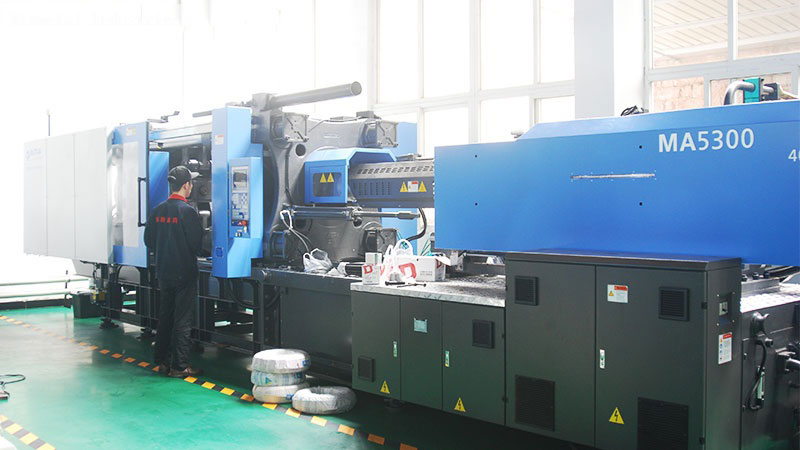
    The foundation of a successful import project lies in meticulous supplier verification. Moving beyond a simple Alibaba search is crucial in 2026. Start by identifying a shortlist of potential **China mold factory** partners through industry-specific B2B platforms, professional referrals, and by examining their digital footprint. A professional supplier will have a detailed website showcasing their engineering team, machine park (look for Swiss, German, or Japanese CNC, EDM, and injection molding machines), and a portfolio of projects similar to yours. The critical step is to initiate a video conference. Demand a real-time virtual factory tour. Observe the workshop floor organization, machine maintenance, and ask to speak directly with a project engineer. This verifies their physical existence, operational scale, and technical communication ability, separating legitimate workshops from trading companies masquerading as manufacturers.

    Once a credible partner is identified, the focus shifts to technical and commercial clarity. The single most important document is the mold design and specification agreement. Do not rely solely on verbal assurances or basic quotes. A professional **plastic injection mold factory China** will collaborate to create a detailed Technical Requirement Sheet. This must include: steel grade and hardness (e.g., P20, H13, S136), mold life expectancy (number of shots), cavity surface finish (SPI standards), tolerance levels, cooling channel design, and gate type. Clearly define who is responsible for the mold design—your team or theirs—and insist on 3D design reviews before steel is cut. For procurement, opt for a phased payment plan (e.g., 30-50% deposit, 40% after T1 sample approval, 10-30% balance before shipment). Never pay 100% upfront. This structure aligns incentives and gives you leverage throughout the build process.

    Proactive quality control is non-negotiable. The era of “blind faith” shipping is over. For any significant investment, engaging a reputable third-party inspection company in China is a wise solution. These inspectors act as your eyes on the ground. The key inspection points are the First Article Inspection (FAI) after the mold is assembled and the Trial Run (T1) sample report. The inspector will verify mold dimensions, material conformity, and most importantly, assess the quality of the initial plastic parts against your provided samples or drawings. They check for defects like sink marks, warpage, short shots, and flash. The resulting report, with photos and data, provides an objective quality assessment before you approve shipment. This step, while an added cost, prevents catastrophic losses and ensures the **injection mold** meets your production standards.

    The final logistical and legal phase safeguards your investment. Discuss shipping terms (Incoterms 2020) explicitly. FOB Shanghai/Shenzhen is common, giving you control over the international freight and insurance. Ensure the mold is properly preserved—rust-preventative coating and desiccant bags inside—and securely packed in a wooden crate for ocean freight. Legally, a clear contract is essential. It should cover intellectual property (IP) ownership—stipulating that all design and tooling IP remains solely yours—warranty period (typically 12-24 months against workmanship and material defects), and terms for warranty fulfillment, including how damaged components will be repaired or replaced. A trustworthy supplier will not balk at these protective measures.

    In conclusion, importing an injection mold from China in 2026 is a highly viable strategy when approached with diligence and the right framework. The process hinges on rigorous supplier verification, crystal-clear technical specifications, enforced quality control through independent inspection, and robust legal agreements. By implementing these expert solutions, you transform a complex international procurement challenge into a streamlined partnership. You gain access to the exceptional value and engineering prowess of a qualified Chinese mold manufacturer, securing a high-quality tool that becomes a cornerstone of your product’s success for years to come.

    Work With Us

    As a professional China mold manufacturer, we provide one-stop mold solution for overseas buyers.
    📞 Phone: +86-18605944639
    💬 WhatsApp: +8618605944639
    🌐 Website: bestmoldworks.com
    📧 Email: [email protected]
  • china mold manufacturer: Complete Procurement Guide 2026

    Navigating the landscape of global manufacturing presents a significant opportunity for cost efficiency and scalability, particularly when it comes to tooling. For overseas buyers, partnering with a capable **china mold manufacturer** is often the most strategic decision to bring a product to life. However, the journey from initial inquiry to receiving a perfect injection mold is fraught with potential challenges, from communication gaps to quality inconsistencies. This guide is designed to cut through the noise and provide you with a clear, actionable roadmap for 2026. We will focus on practical steps to identify, vet, and collaborate with a reliable China mold factory, ensuring your procurement process is smooth, transparent, and successful.

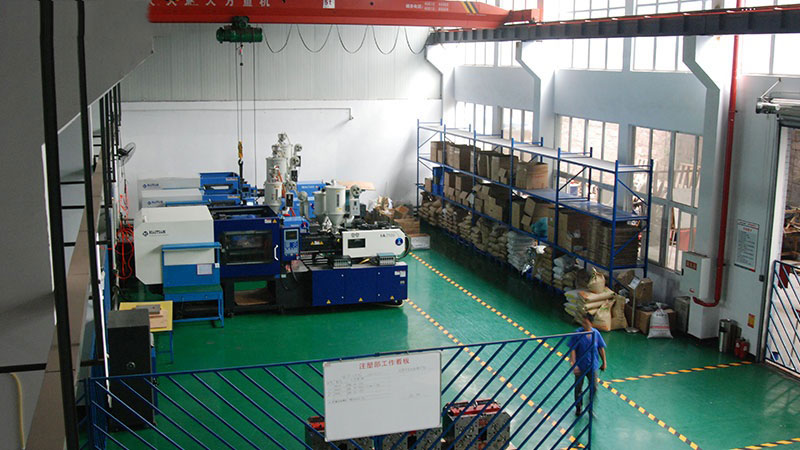
    The cornerstone of any successful import project is thorough supplier verification. In 2026, due diligence goes far beyond a simple website check. Begin by leveraging professional B2B platforms like Alibaba or Made-in-China, but use them as a starting point for a deeper investigation. Prioritize suppliers with verified transaction histories and detailed company profiles. The critical next step is to conduct a virtual factory audit. Request a live video tour of the production facility. A professional **china mold manufacturer** will readily comply, allowing you to assess their machinery (look for modern CNC, EDM, and injection molding machines), workshop organization, and in-house capabilities. Crucially, verify their business license and ask for specific case studies or references from clients in your region. This process filters out trading companies masquerading as factories and ensures you are dealing with a direct producer with proven expertise in injection mold making.

    Once you have a shortlist of qualified candidates, mastering the technical and commercial communication phase is vital. The most common pitfall here is an incomplete or ambiguous Request for Quotation (RFQ). To secure an accurate quote and prevent costly change orders later, your RFQ must be exceptionally detailed. Include not just part drawings (preferably in 3D STEP or IGES format) but also a comprehensive specification sheet. This document should cover the intended material (resin type), expected annual volume, mold life expectancy, surface finish requirements (SPI standards), tolerance levels, and desired mold steel (such as S136, NAK80, or P20). Clearly state all post-processing needs like texturing, assembly, or hot runner system requirements. Providing this level of detail allows the China mold factory to understand your exact needs and demonstrates your professionalism, setting the stage for a more reliable quotation and project alignment.

    With quotes in hand, the focus shifts to formalizing the agreement with robust quality control protocols. Your purchase order should be accompanied by a detailed technical agreement that annexes all the specifications from your RFQ. This legally binding document is your primary safeguard. It should explicitly outline the quality control milestones, which typically include a Critical Design Review (CDR), mold flow analysis report approval, T1 sample inspection, and a final pre-shipment audit. Insist on documented evidence at each stage: photos of the steel material certificate, screenshots of the mold flow analysis, and most importantly, sample parts from the T1 trial molded on video with dimensional inspection reports. For high-value projects, consider engaging a local third-party inspection agency in China to conduct an on-site Dimensional Measurement Report (DMR) and mold capability review before shipment. This proactive investment in quality control is non-negotiable for mitigating risk.

    The final logistical and partnership phase determines the long-term value of your procurement. Discuss and agree on packaging standards explicitly—molds are high-precision, heavy tools that require wooden crates and proper internal securing to prevent damage in transit. Clarify incoterms (FOB, CIF, etc.) and ensure the supplier provides all necessary documentation for customs clearance in your country. However, the relationship with your chosen **China mold manufacturer** should not end at delivery. A reliable partner will offer a clear warranty period, typically 12-18 months, covering workmanship and material defects. Establish a channel for ongoing communication for future maintenance, spare parts, or design modifications. Building this collaborative, long-term relationship transforms a one-time transaction into a strategic asset, providing you with a dependable source for future projects and iterations.

    Importing molds from China in 2026 demands a methodical, informed approach that prioritizes verification, clear communication, and stringent quality control. By treating the selection of your China mold factory as a strategic partnership rather than a simple purchase, you unlock immense value. The actionable steps outlined—from conducting virtual audits and preparing detailed RFQs to enforcing staged inspections—are designed to solve the real problems faced by overseas buyers. As global supply chains continue to evolve, those who master this procurement discipline will gain a sustainable competitive advantage, turning the expertise of Chinese injection mold manufacturers into a cornerstone of their product development and manufacturing success.

    Work With Us

    As a professional China mold manufacturer, we provide one-stop mold solution for overseas buyers.
    📞 Phone: +86-18605944639
    💬 WhatsApp: +8618605944639
    🌐 Website: bestmoldworks.com
    📧 Email: [email protected]
  • silicone mould factory: Best Suppliers & Quality Cont 2026

    For overseas buyers, importing molds from China represents a significant opportunity for cost efficiency and manufacturing scalability. However, navigating the vast landscape of suppliers to find a reliable silicone mould factory can be daunting. The challenge isn’t just about finding a low price; it’s about securing consistent quality, clear communication, and a partnership that ensures your product vision is perfectly realized. This guide cuts through the noise, providing actionable strategies for 2026 to help you identify the best suppliers and implement robust quality control from the very start of your procurement journey.

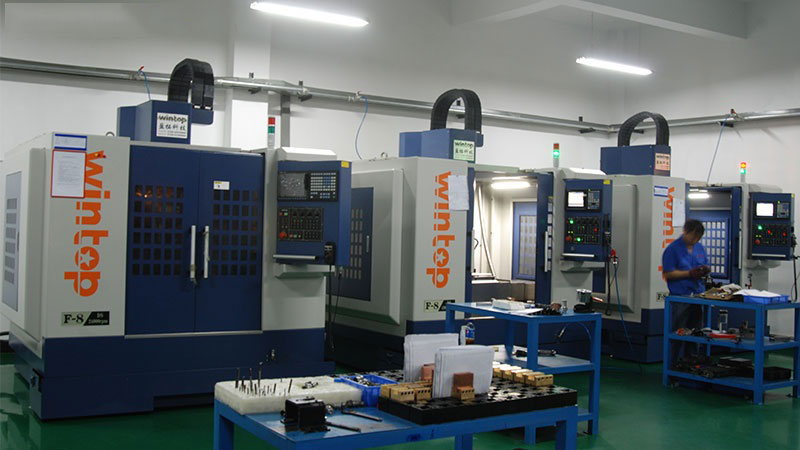
    The foundation of a successful import project lies in meticulous supplier verification. Moving beyond a simple Alibaba search is crucial. Begin by identifying manufacturers with a proven track record in your specific niche, whether it be baking molds, candle making, concrete forms, or industrial components. Scrutinize their business licenses (look for an ISO 9001 certification as a baseline), and use platforms like Panjiva or ImportGenius to verify their export history. A professional China mold factory will readily provide a company profile detailing their machinery, engineering team, and client portfolio. Insist on a video conference call for a virtual factory tour; this not only verifies their operational capabilities but also establishes a direct line of communication with their technical and sales teams, setting the stage for clearer project management.

    Once you have shortlisted potential partners, the next critical step is mastering the technical and commercial dialogue. A professional silicone mould factory excels in translating your concept into a manufacturable design. Provide them with comprehensive 3D files (STEP or IGS formats are preferred) and detailed 2D drawings with all critical dimensions, tolerances, and material specifications explicitly called out. Be explicit about the intended use—for example, food-grade silicone requires different certifications and material handling than industrial-grade compounds. Discuss the mold life expectancy (number of shots) and the type of molding process (injection mold for high-volume, uniform parts vs. hand-pour for smaller batches). Clearly negotiate terms covering prototyping phases, payment milestones (e.g., 30% deposit, 40% after sample approval, 30% before shipment), and intellectual property protection in a formal contract. This clarity prevents costly misunderstandings and aligns expectations.

    Proactive quality control is non-negotiable and must be integrated into your procurement process from the design phase. For a China mold factory, your engagement in QC demonstrates seriousness and helps prevent defects. Start with a Design for Manufacturability (DFM) review, where the factory’s engineers provide feedback on your design to improve moldability and reduce costs. The first tangible checkpoint is the T1 sample from the initial tool. Evaluate this sample not just for aesthetics, but for precise dimensions (using your provided CMM data if possible), texture, durometer (hardness), and functionality. For injection mold projects, assess the gate marks, parting lines, and any flash. Do not approve mass production until the sample is perfect. For ongoing assurance, hire a reputable third-party inspection company in China to conduct a Pre-Shipment Inspection (PSI) or a During Production Inspection (DPI). They will check random units against your approved sample and specifications, providing an unbiased report before the container is sealed.

    Building a sustainable partnership with your chosen supplier extends beyond a single transaction. The most successful importers view their silicone mould factory as a strategic extension of their own operations. Foster this relationship through respectful, clear, and consistent communication. Consider visiting the factory in person to strengthen ties and discuss future projects. As you plan for 2026, discuss their roadmap for technology adoption, such as the use of more durable steel alloys for longer mold life or advanced simulation software to predict and eliminate flow issues in the injection mold process. A reliable partner will be proactive in suggesting material innovations or process improvements that can enhance your product or reduce long-term costs. This collaborative approach transforms a vendor into a valued asset for your supply chain.

    In conclusion, importing molds from China in 2026 demands a strategy built on verification, clear communication, and embedded quality control. The goal is to move from being a passive buyer to an informed partner. By rigorously vetting your China mold factory, mastering the technical procurement dialogue, implementing multi-stage quality checks, and investing in a long-term relationship, you mitigate risks and unlock the full potential of Chinese manufacturing. The journey requires diligence, but the reward is a seamless supply chain, superior product quality, and a competitive edge in your market. Start your next project with this framework, and you will be well-positioned to identify the best suppliers and achieve consistent quality control for years to come.

    Work With Us

    As a professional China mold manufacturer, we provide one-stop mold solution for overseas buyers.
    📞 Phone: +86-18605944639
    💬 WhatsApp: +8618605944639
    🌐 Website: bestmoldworks.com
    📧 Email: [email protected]
  • china plastic mould manufacturer: Best Suppliers & Qua 2026

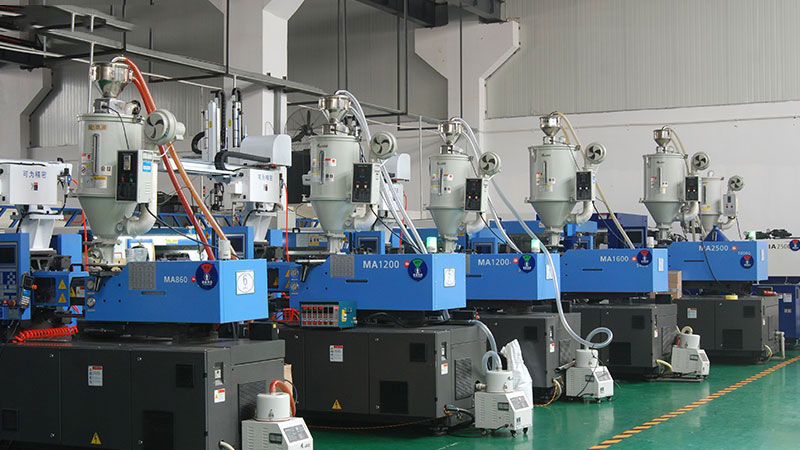
    For overseas buyers, sourcing injection molds from China remains a powerful strategy to achieve significant cost savings and access advanced manufacturing capabilities. However, navigating the vast landscape of suppliers to find a truly reliable china plastic mould manufacturer can be a daunting task filled with potential pitfalls. The core challenge is not simply finding a vendor but identifying a partner who delivers consistent quality, maintains clear communication, and ensures a smooth procurement process from quotation to delivery. This guide is designed to cut through the noise, offering actionable, professional advice to help you secure high-quality tooling and build a profitable, long-term supply chain as we look toward 2026.

    The foundation of a successful import project lies in rigorous supplier verification. Moving beyond basic online directories is crucial. Start by shortlisting potential China mold factory candidates that showcase specific experience in your industry and required mold types, whether for simple consumer products or complex technical components. Utilize video conferencing to conduct virtual factory tours; a reputable supplier will readily showcase their workshop, machinery, and ongoing projects. Insist on obtaining detailed references from their existing overseas clients, particularly those in your region. Furthermore, verify business licenses and export credentials. This due diligence step filters out trading companies masquerading as manufacturers and identifies partners with a proven track record of international cooperation, setting the stage for a transparent relationship.

    Once a potential partner is identified, mastering the quotation and technical clarification phase is critical to avoid costly misunderstandings. A professional china plastic mould manufacturer will not provide a generic price but will request comprehensive data: 3D part files, material specifications, expected annual volumes, and cosmetic requirements. Analyze their quotation meticulously. It should break down costs for mold design, steel grade, cavity number, expected lifespan, and any ancillary services like sample testing. Engage in deep technical discussions. Clarify the mold flow analysis process, the type of ejection system, cooling channel design, and their standard tolerances. This is the time to agree on all specifications documented in a formal Technical Agreement, which becomes the quality benchmark. This proactive approach aligns expectations and minimizes the risk of disputes during the production phase.

    Effective quality control cannot be an afterthought; it must be integrated into the procurement timeline. For overseas buyers, a multi-stage inspection protocol is non-negotiable. The first critical checkpoint is the First Article Inspection (FAI) after the T1 sample is produced. This involves a dimensional report verifying the sample against the part drawings. The second vital stage is the Tooling Trial Run at the China mold factory, where you should request video evidence of the mold running under production conditions, producing a set number of shots. For high-value or high-volume projects, engaging a local third-party quality inspection firm to conduct a Pre-Shipment Inspection (PSI) is a wise investment. They can check the final mold for workmanship, material conformity, and functionality. This structured QC process provides objective evidence of quality before the mold is shipped, protecting your capital investment.

    Navigating logistics, payment, and intellectual property protection requires a strategic framework. Opt for secure payment terms that balance risk, such as a split of 30-50% deposit, 40% upon approval of sample parts, and the balance before shipment. For logistics, work with the supplier to determine the most efficient method—air freight for urgency or sea freight for cost-effectiveness on large molds, ensuring proper crating and insurance. Intellectual Property protection begins with a signed Non-Disclosure Agreement (NDA) before sharing any designs. While enforcement can be complex, choosing an established supplier with their own R&D capabilities often reduces IP risks, as their business model is built on reputation and repeat orders, not on copying designs. Clearly stipulate IP ownership in your contract.

    The ultimate goal is to transition from a transactional purchase to a strategic partnership. A reliable injection mold supplier is an asset that can contribute to your product development cycle. After the initial project, evaluate their performance on communication responsiveness, problem-solving attitude, and post-sales support. Discuss future plans and their capacity for scaling production. The best suppliers will act as consultants, offering design for manufacturability tips to optimize part design and reduce costs over the long term. This collaborative relationship fosters continuous improvement, ensuring that as your product line evolves toward 2026 and beyond, your supply chain is robust, responsive, and capable of supporting your growth.

    In conclusion, successfully importing molds from China is a systematic process grounded in verification, clear communication, and proactive quality management. By meticulously vetting your china plastic mould manufacturer, investing time in technical alignment, implementing staged inspections, and structuring contracts wisely, you mitigate the inherent risks of overseas procurement. The landscape in 2026 will favor informed buyers who build partnerships, not just place orders. By applying these professional and actionable strategies, you position your business to leverage China’s manufacturing excellence, securing not only cost-effective tooling but also a reliable foundation for product quality and market competitiveness for years to come.

    Work With Us

    As a professional China mold manufacturer, we provide one-stop mold solution for overseas buyers.
    📞 Phone: +86-18605944639
    💬 WhatsApp: +8618605944639
    🌐 Website: bestmoldworks.com
    📧 Email: [email protected]
  • plastic mold factory china: Best Suppliers & Quality C 2026

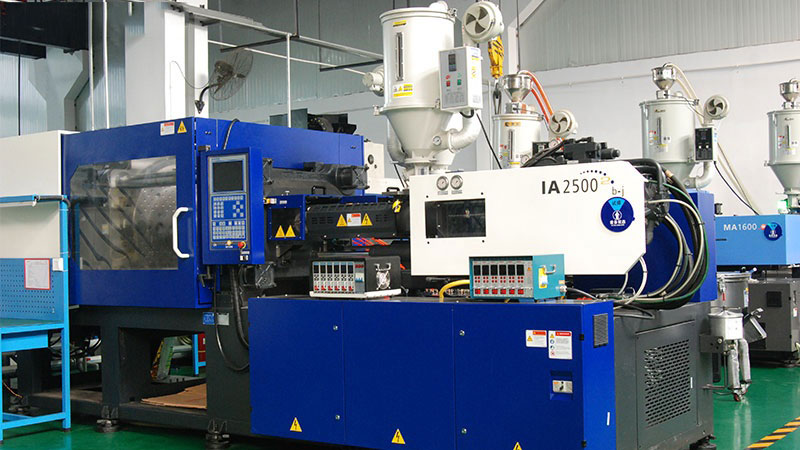
    For overseas buyers, sourcing from a plastic mold factory in China remains one of the most effective strategies to achieve significant cost savings and access advanced manufacturing capabilities. However, the journey from initial inquiry to receiving a flawless injection mold is fraught with potential challenges, from identifying credible partners to enforcing stringent quality standards. As we look toward 2026, the landscape is evolving, demanding more sophisticated procurement approaches. This guide cuts through the noise to provide actionable, professional advice for importers seeking to build successful, long-term partnerships with top-tier Chinese mold manufacturers.

    The foundation of a successful import project lies in meticulous supplier verification. The term “China mold factory” encompasses a vast spectrum, from rudimentary workshops to fully automated, technologically advanced facilities. Your first task is to discern the difference. Begin by moving beyond basic B2B platforms. While useful for initial contact, they are not a substitute for deep due diligence. Request detailed company profiles that include factory floor plans, lists of core machinery (such as CNC, EDM, and CMM machines), and engineering team credentials. Insist on a live video tour of the production floor; a reputable plastic mold factory china will readily comply. This allows you to verify operational scale, workshop organization, and technology in real-time. Furthermore, check for relevant international quality certifications like ISO 9001, which indicates a baseline process orientation, and industry-specific certifications pertinent to your field, such as IATF 16949 for automotive or ISO 13485 for medical devices.

    Once a potential partner is shortlisted, the focus must shift to precision in technical communication and design for manufacturability (DFM). Ambiguity in technical drawings and specifications is the primary cause of costly errors and delays. Engage directly with the factory’s project engineers, not just sales staff. Provide comprehensive 3D models (STEP or IGES files) and fully dimensioned 2D drawings with clear tolerances, surface finish requirements (SPI standards), and material specifications. A competent China mold factory will always conduct a formal DFM analysis before quoting. This report is critical—it reveals their engineering expertise by highlighting potential issues in your design related to wall thickness, draft angles, undercuts, and gate locations. Scrutinize this feedback closely; their willingness to optimize your design for efficient production and longevity is a key indicator of a valuable partner, not just a low-cost executor.

    The core of your engagement, and where significant risks are managed, is through a robust, multi-stage quality control protocol. Do not assume quality; contractually define and verify it. Your agreement should mandate inspections at critical milestones: after mold material certification (with mill test reports), after rough machining, after heat treatment (with hardness test reports), and most importantly, during the Trial Out (T1) sample stage. For the T1 samples, the inspection must be rigorous. Use Coordinate Measuring Machines (CMM) reports to validate critical dimensions against your CAD data. Perform thorough assembly and function tests. Document surface finishes visually and with surface roughness testers. It is highly advisable to engage a trusted third-party quality inspection firm based in China for these critical checkpoints. Their objective assessment before final payment and shipment release is a non-negotiable insurance policy that protects your investment and ensures the injection mold meets all agreed parameters.

    Effective procurement from China is as much about relationship and project management as it is about technical skill. Establish clear, written protocols for communication frequency, key points of contact, and reporting formats. Use project management tools to track progress against the agreed timeline, which should include buffer for unexpected revisions. Understand the commercial terms deeply: a very low initial quote may exclude essential elements like DFM, standard components (mold base, cylinders), or multiple T-sample revisions. Opt for transparency—a detailed cost breakdown fosters trust. Furthermore, discuss post-sales support upfront. What is their policy on mold modification? How will they handle wear and tear or damage during production? A supplier planning for 2026 will be eager to discuss long-term support and potential maintenance contracts, viewing the initial mold as the start of a partnership for future production.

    As the industry advances toward 2026, aligning with forward-thinking suppliers will become a competitive advantage. The best plastic mold factory china operations are investing in smart manufacturing, IoT-enabled machinery for predictive maintenance, and advanced simulation software to further minimize trial-and-error. They are also deepening their expertise in sustainable materials and molding processes. When evaluating partners, inquire about their R&D initiatives and their ability to support trends like lightweighting or bioplastics. Your chosen supplier should not only solve today’s problems but also possess the vision and capability to evolve with your future product roadmap.

    In conclusion, successfully importing high-quality injection molds from China in the current climate requires a shift from a simple cost-centric purchasing model to a strategic partnership model built on verification, technical collaboration, and uncompromising quality control. The journey to finding the best suppliers for 2026 is defined by diligent procurement practices and a commitment to mutual clarity. By implementing these professional and actionable steps—deep supplier vetting, mastering technical communication, enforcing staged quality checks, and practicing diligent project management—overseas buyers can confidently navigate the market. This approach transforms the inherent complexities of global sourcing into a reliable, value-driven channel for securing superior tooling that drives product innovation and manufacturing efficiency for years to come.

    Work With Us

    As a professional China mold manufacturer, we provide one-stop mold solution for overseas buyers.
    📞 Phone: +86-18605944639
    💬 WhatsApp: +8618605944639
    🌐 Website: bestmoldworks.com
    📧 Email: [email protected]

  • injection mold manufacturer china: Professional Buying 2026

    For overseas buyers, the decision to import molds from China remains one of the most strategic moves for achieving cost efficiency and scalable production. However, the landscape of working with an injection mold manufacturer in China is evolving rapidly. The year 2026 demands a more professional, nuanced approach than ever before. This guide cuts through the noise to provide actionable, real-world strategies for securing high-quality tooling, ensuring your procurement process is built on a foundation of clarity, verification, and robust quality control.

    The cornerstone of a successful partnership is thorough supplier verification. Moving beyond a simple website check or Alibaba storefront is non-negotiable. In 2026, professional due diligence involves a multi-layered audit. Start with a deep dive into the China mold factory’s operational credentials: business licenses, export history, and industry-specific certifications. However, true verification goes further. Insist on a live video tour of the facility. This allows you to assess their machinery park—are they using modern CNC, EDM, and high-speed milling equipment? Observe their workshop organization and in-house capabilities; a factory that handles design, machining, and trial assembly under one roof typically offers better communication and accountability. Crucially, request and contact references from past international clients with projects similar in scale and complexity to yours. A reputable injection mold manufacturer will provide these, offering invaluable insight into their reliability and post-sales support.

    Once a potential partner is vetted, mastering the technical and commercial discussion is your next critical step. Ambiguity in specifications is the primary source of cost overruns and quality disputes. Your request for quotation must be exceptionally detailed. Beyond part drawings, include a comprehensive checklist: required mold steel grade and hardness, surface finish specifications, tolerance levels for critical dimensions, cavity life expectancy, and a clear mold trial protocol. Explicitly state all deliverables: are 3D design files, mold flow analysis reports, and inspection reports part of the package? Regarding procurement terms, adopt a phased payment structure—typically 30-40% deposit, 30-40% after first article inspection or T1 sample approval, and the balance before shipment. This aligns incentives and maintains leverage. Clearly define Incoterms 2020 responsibilities to avoid logistical surprises. A professional China mold factory will appreciate this clarity as it demonstrates your seriousness and facilitates an accurate quote.

    The most pivotal phase of your engagement is implementing a proactive quality control framework. Do not relegate QC to a final pre-shipment inspection. For injection mold projects, quality must be built into the process. Require and review critical milestone reports. This includes design review feedback, mold flow analysis to predict filling and cooling issues, and photographs of the mold base and core/cavity blocks before heat treatment. The First Article Inspection is your most powerful tool. Plan for this meticulously. Either engage a trusted third-party inspection service located near the factory or, ideally, send your own engineer to witness the mold trial. This allows for real-time problem-solving—adjusting gate sizes, cooling lines, or ejection—which is infinitely more efficient and cost-effective than shipping a non-conforming mold and attempting repairs remotely. Document every step with signed reports and sample approvals.

    Navigating post-delivery and long-term collaboration requires foresight. A professional partnership extends beyond the shipment of the mold. Discuss and agree upon post-sales support terms upfront. What is the warranty period for workmanship and materials? How are repair or modification costs handled after warranty? Ensure you receive all agreed-upon documentation, including final 2D drawings, maintenance manuals, and a certificate of conformity. For ongoing production, consider establishing a framework for spare parts procurement, such as spare ejector pins or heater cartridges. Building a successful relationship with a reliable injection mold manufacturer in China transforms them from a one-time vendor into a strategic extension of your engineering team. This facilitates smoother future projects, potential volume discounts, and a partner invested in your product’s success.

    The process to import molds from China in 2026 is defined by strategic professionalism, not just price shopping. By rigorously executing supplier verification, demanding technical clarity, embedding quality control throughout the manufacturing journey, and planning for long-term support, you mitigate risks and maximize value. The competitive edge lies not in finding the cheapest option, but in expertly identifying and collaborating with a capable partner. Embrace this structured approach, and your venture with a Chinese injection mold manufacturer will become a repeatable blueprint for supply chain excellence and product quality.

    Work With Us

    As a professional China mold manufacturer, we provide one-stop mold solution for overseas buyers.
    📞 Phone: +86-18605944639
    💬 WhatsApp: +8618605944639
    🌐 Website: bestmoldworks.com
    📧 Email: [email protected]

  • tyre mould manufacturers in china: Ultimate Guide for 2026

    For global tire brands and manufacturers, sourcing high-quality, cost-effective production tools is a cornerstone of competitive advantage. As we look towards 2026, China remains the undisputed global hub for precision manufacturing, and its tyre mould industry is no exception. For overseas buyers, navigating this vast and complex landscape can be daunting. This ultimate guide is designed to cut through the noise, offering a professional, actionable roadmap for successfully importing tyre moulds from China. We will move beyond simple directory listings to solve the real problems you face in procurement, supplier verification, and quality assurance, ensuring your investment delivers long-term value.

    The Strategic Advantage of Sourcing from China

    The decision to partner with tyre mould manufacturers in China is driven by a powerful combination of factors that extend far beyond low cost. China’s mold industry benefits from decades of concentrated development, creating deep clusters of expertise, particularly in regions like Guangdong, Jiangsu, and Zhejiang. This ecosystem provides unparalleled access to advanced manufacturing technologies, including high-precision CNC machining, EDM (Electrical Discharge Machining), and sophisticated 5-axis milling centers essential for complex tread patterns and sidewall designs. Furthermore, the complete supply chain, from specialty steel producers to surface treatment specialists, is integrated and efficient, reducing lead times significantly. For overseas buyers, this translates to access to cutting-edge capabilities—such as laser engraving for ultra-precise sipes and 3D-printed conformal cooling channels in injection molds—at a fraction of the cost found in many Western countries. The key is to strategically tap into this advantage with a disciplined approach.

    Practical Procurement: Finding and Vetting Your China Mold Factory

    The first major hurdle is identifying a capable partner from a sea of options. A generic Alibaba search is a starting point, but not a strategy. In 2026, successful procurement requires a multi-layered verification process. Begin with a deep dive into a supplier’s specialization. A **China mold factory** claiming to do everything may master none. Seek out manufacturers with proven portfolios in your specific tyre segment: passenger car, truck/bus, OTR (Off-the-Road), or high-performance. Scrutinize their technical documentation and case studies. The next critical step is supplier verification. This must include a review of business licenses, export history, and, most importantly, a virtual or in-person factory audit. Use video calls to tour facilities in real-time, examining machine maintenance, workshop cleanliness, and engineer qualifications. Always request and contact past overseas clients. A reliable manufacturer will have a track record of successful exports to markets with stringent quality standards, such as Europe or North America.

    Engineering Collaboration and Design for Manufacturability (DFM)

    A common and costly mistake is to simply send a final CAD design and request a quote. The most successful import projects treat the chosen tyre mould manufacturer as a true engineering partner from the outset. Engage them during the Design for Manufacturability (DFM) stage. An experienced Chinese engineer can provide invaluable feedback on draft angles, parting line placement, venting, and cooling system design that will enhance mould longevity and tyre quality. This is especially crucial for complex **injection mold** designs for retreaded tyres or specialty products. Clear communication of all technical specifications—steel grade (e.g., P20, 2738, H13), hardness (HRC), surface treatments (nitriding, chrome plating), and expected lifespan in shots—is non-negotiable. Establish a single point of technical contact and use detailed, visual communication tools (annotated drawings, screenshots) to bridge any language gap. This collaborative front-loading prevents expensive revisions and delays later.

    Implementing Ironclad Quality Control Protocols

    Quality control is the non-negotiable pillar of importing from any distance. Assuming quality based on a sample or promises is a profound risk. Your agreement must define a rigorous, multi-stage QC process. For tyre moulds, this typically involves First Article Inspection (FAI) after machining, a critical Dimensional Inspection before final assembly, and a Pre-Shipment Inspection (PSI) that includes a trial assembly and often a casting or injection test if feasible. You must specify the inspection equipment to be used (CMM, 3D scanners, laser profilers) and the acceptable tolerance standards (e.g., ISO 2768-mK). For ultimate assurance, many overseas buyers in 2026 hire independent third-party quality control firms based in China to conduct these inspections on their behalf. Their unbiased reports provide objective evidence of compliance. Additionally, clearly define the protocol for handling non-conformities before production begins, including rework timelines and cost responsibilities.

    Navigating Logistics, IP Protection, and After-Sales Support

    The final stage encompasses the practicalities that secure your investment. Ensure your chosen **tyre mould manufacturers in China** have robust experience in exporting heavy, high-value machinery. Discuss packaging specifications in detail—moulds require custom, secure crating to prevent transit damage. Understand Incoterms thoroughly; FOB (Free On Board) is common, but you must clarify responsibilities for inland freight, port fees, and insurance. Intellectual Property (IP) protection is a paramount concern. While Chinese IP law has strengthened, practical on-the-ground measures are essential. Execute a comprehensive NNN Agreement (Non-Use, Non-Disclosure, Non-Circumvention) tailored to Chinese jurisdiction before sharing any technical data. Finally, solidify after-sales support terms. This includes warranty duration (typically 12-18 months), the scope of coverage, and the process for supplying replacement parts or providing technical assistance for maintenance. A supplier confident in their quality will offer clear after-sales terms.

    Conclusion: Building a Partnership for 2026 and Beyond

    Importing tyre moulds from China in 2026 is not merely a transactional purchase; it is an exercise in building a strategic, long-term manufacturing partnership. The landscape rewards buyers who are diligent, proactive, and engaged. By moving beyond price-centric thinking and implementing a structured process of specialized supplier verification, deep engineering collaboration, uncompromising quality control, and clear contractual safeguards, you can mitigate the inherent risks of overseas procurement. The result is access to world-class manufacturing capabilities that enhance your product quality, innovation potential, and bottom-line competitiveness. As the global industry evolves, those who master the art of partnering with China’s top-tier mould specialists will be best positioned to lead the market. Start your journey with the principles in this guide, and transform the complexity of global sourcing into your most durable advantage.

    Work With Us

    As a professional China mold manufacturer, we provide one-stop mold solution for overseas buyers.
    📞 Phone: +86-18605944639
    💬 WhatsApp: +8618605944639
    🌐 Website: bestmoldworks.com
    📧 Email: [email protected]

  • injection moulding factory near me: Professional Buying 2026

    For overseas buyers and product developers, the search for an “injection moulding factory near me” often ends with a strategic pivot towards a global manufacturing hub: China. The title reflects a common initial search, but the reality of modern, professional procurement in 2026 is about leveraging global expertise with precision and control. This guide is designed for the discerning international buyer looking to import high-quality, cost-effective injection molds from China. We move beyond simple supplier lists to provide a structured, actionable framework for navigating the Chinese manufacturing landscape, ensuring your project’s success from initial concept to mass production.

    The core challenge is no longer about finding a manufacturer, but about identifying the right partner among thousands. The process involves meticulous supplier verification, clear technical communication, and robust quality control protocols. In 2026, successful procurement is defined by strategic partnerships, technological alignment, and risk mitigation. This blog will outline a professional, step-by-step approach to transform your search for an injection moulding factory into a streamlined, reliable supply chain operation.

    **Redefining “Near Me”: The Digital and Physical Verification Process**

    In today’s interconnected world, “near me” is as much about digital accessibility and logistical integration as it is about geography. Your first step is comprehensive supplier verification. Begin with deep due diligence: scrutinize the China mold factory’s business licenses, export history, and client portfolio. Utilize video conferencing for virtual factory tours, a standard practice that allows you to assess workshop organization, machinery (look for modern CNC, EDM, and injection molding machines), and cleanliness. Request to speak directly with their project management and engineering team. A professional factory will be transparent and proactive in this phase. Furthermore, check their presence on international B2B platforms and professional networks like LinkedIn, but prioritize direct contact through their official website. Verify their expertise in your specific industry, whether it’s automotive, medical, consumer electronics, or packaging, as specialization often correlates with higher quality standards.

    **Technical Documentation: The Blueprint for Success**

    Clear, unambiguous technical communication is the single most critical factor in preventing costly errors. Before you request a quotation, invest time in perfecting your Request for Quotation (RFQ) package. This must include detailed 3D CAD files (STEP or IGS format), 2D drawings with critical dimensions, tolerances (Geometric Dimensioning and Tolerancing is preferred), surface finish specifications, and material selection. For the injection mold itself, specify mold steel grade (such as NAK80, S136, or P20), expected lifespan (number of shots), cooling channel design preferences, and ejection mechanisms. A professional China mold factory will review these documents and provide a Design for Manufacturability (DFM) report. This feedback loop is invaluable; a supplier that asks insightful questions and suggests optimizations for cost or performance is demonstrating engineering competence that goes beyond simple fabrication.

    **Structured Quality Control: From First Article to Mass Production**

    Quality cannot be inspected into a product; it must be built into the process. Define your quality control (QC) expectations contractually before order placement. For injection mold procurement, this is a two-phase process. First, focus on the mold qualification. Insist on a First Article Inspection (FAI) report with CMM (Coordinate Measuring Machine) data verifying the mold dimensions against your drawings. Require sample parts (T1, T2 samples) from the actual production material, shipped to you for approval. Use these samples for functional testing, assembly checks, and thorough measurement. Second, establish protocols for ongoing production. Specify which critical dimensions will be checked during production runs and how often. Discuss if you will use a third-party QC service in China for pre-shipment inspections or if the factory provides full inspection reports with each batch. In 2026, leading factories offer real-time production monitoring and data logging, providing an additional layer of transparency.

    **Navigating Logistics, IP Protection, and Total Cost Analysis**

    The professional buyer looks at the total cost of ownership, not just the unit price of the injection mold. Consider logistics: who handles mold transportation, and what are the Incoterms (FOB, EXW, CIF)? A reliable partner will guide you on proper mold packaging and shipping to prevent damage. Intellectual Property (IP) protection is a paramount concern. Work with a factory that is willing to sign a comprehensive Non-Disclosure Agreement (NDA) and consider registering your design in China. While no system is foolproof, partnering with a reputable, established manufacturer is your best defense. Finally, analyze all cost factors: mold price, sample costs, payment terms (typically 50-50 or 30-40-30), tooling modification fees, and per-unit part pricing for future production runs. The cheapest initial quote can become the most expensive project due to poor quality, communication delays, and tooling failures.

    **Building a Partnership for 2026 and Beyond**

    The ultimate goal of your procurement journey is to transition from a transactional buyer to a strategic partner. After successful completion of your first project, focus on relationship management. Provide constructive feedback, discuss future projects, and explore opportunities for continuous improvement. A trustworthy injection moulding factory near me, in the global sense, becomes an extension of your own R&D and production team. They can advise on new materials, innovative molding techniques, and cost-saving design tweaks for future iterations. In the dynamic landscape of 2026, this collaborative approach fosters innovation, ensures supply chain resilience, and provides a significant competitive advantage.

    **Conclusion**

    The search for an “injection moulding factory near me” is, for the professional overseas buyer, a deliberate process of global sourcing excellence. By mastering supplier verification, enforcing rigorous technical and quality control standards, and adopting a total-cost, partnership-focused mindset, you can confidently import injection molds from China. The year 2026 demands a sophisticated approach where due diligence, digital tools, and clear communication bridge any geographical distance. By implementing these actionable strategies, you transform procurement from a daunting challenge into a reliable pillar of your product development and manufacturing success, securing quality, innovation, and value from your chosen China mold factory.

    Work With Us

    As a professional China mold manufacturer, we provide one-stop mold solution for overseas buyers.
    📞 Phone: +86-18605944639
    💬 WhatsApp: +8618605944639
    🌐 Website: bestmoldworks.com
    📧 Email: [email protected]

  • plastic injection moulding factory near me: Complete Pr 2026

    For overseas buyers, the search for a “plastic injection moulding factory near me” often evolves into a global procurement strategy, with China standing as the undisputed hub for high-quality, cost-effective tooling and production. While the phrase implies local sourcing, the modern reality is that the most competitive and capable partners are frequently located overseas. This guide for 2026 cuts through the noise to provide a clear, actionable framework for successfully importing molds from China, transforming geographical distance into a strategic advantage.

    The core challenge is no longer about finding a manufacturer, but about identifying the right one. The Chinese manufacturing landscape is vast, with capabilities ranging from rudimentary workshops to world-class, automated facilities. Your success hinges on a meticulous process that prioritizes verification, clear communication, and robust quality control from the very first interaction. This guide will navigate you through the critical steps, ensuring your project lands with a supplier that aligns with your technical requirements, quality standards, and business values.

    Mastering Supplier Verification and Vetting

    The initial search is where your project’s foundation is laid. Moving beyond basic directories like Alibaba is crucial for serious procurement. Start by leveraging industry-specific B2B platforms such as Made-in-China.com or Global Sources, which often feature more specialized factories. However, the real verification begins deeper. Always insist on a video tour of the facility. A reputable China mold factory will readily conduct a live walkthrough, showcasing their machinery (look for brands like Haitian, Engel, or Arburg), mold maintenance areas, and quality lab. Cross-reference their claims with a business license check via official Chinese platforms and seek out client references, specifically from companies in your region or industry. This multi-point verification filters out intermediaries and confirms the operational scale and legitimacy of your potential partner.

    Engineering Collaboration and Design for Manufacturability (DFM)

    A common and costly mistake is to finalize a product design before engaging your injection mold supplier. The most successful import projects treat the Chinese factory as an engineering partner from the conceptual stage. Once you have a shortlist, provide a preliminary 3D model for a Design for Manufacturability (DFM) analysis. A competent factory will provide detailed feedback on draft angles, wall thickness uniformity, gate locations, and ejection strategies to optimize the mold for production, reduce cycle times, and prevent defects. This collaborative step prevents expensive mold reworks later. Ensure all discussions and agreed-upon changes are documented in a formal technical agreement, which becomes part of your purchase order. This clarity is your primary defense against misunderstandings.

    Implementing Stage-Gated Quality Control and Inspection

    Quality cannot be inspected into a product; it must be built into the process. For overseas buyers, a proactive, stage-gated quality control plan is non-negotiable. This should be clearly defined before contract signing. Critical inspection points typically include: a First Article Inspection (FAI) after the initial mold trial, using the actual production material to check parts against CAD data and drawings; a Dimensional Report (CMM) for critical features; and a pre-shipment inspection when production is at 80% completion. For high-value projects, hiring a third-party quality control firm based in China for these inspections provides an objective layer of oversight. This process ensures issues are caught early at the source, where corrections are faster and far less expensive than dealing with defective goods upon arrival at your port.

    Navigating Logistics, IP Protection, and Long-Term Partnership

    Finalizing the mold is only part of the journey. Secure clear terms regarding intellectual property (IP) in your contract. A well-drafted agreement should state that the mold design and tooling are your property, often with clauses preventing the factory from using your mold for other clients. Physically, discuss mold storage options—many factories offer secure storage for an annual fee, which can simplify future production runs. For logistics, decide on Incoterms (FOB is common) and engage a reliable freight forwarder experienced in handling industrial machinery. The mold itself is a capital investment; ensure it is properly crated and insured during transit. Viewing this procurement as the start of a long-term partnership, rather than a one-off transaction, encourages better service, priority scheduling, and continuous improvement for future projects.

    While your initial search may have been for a “plastic injection moulding factory near me,” the strategic approach outlined here empowers you to confidently extend your supply chain to China’s expert manufacturers. The key to success in 2026 lies in a disciplined process: rigorous supplier verification, early engineering collaboration, embedded quality control protocols, and clear contractual safeguards. By implementing this complete procurement guide, you transform the complexity of international sourcing into a reliable, competitive, and scalable advantage for your business. The right China mold factory is not just a supplier; it becomes a pivotal extension of your manufacturing capability, delivering the quality and value that the global market demands.

    Work With Us

    As a professional China mold manufacturer, we provide one-stop mold solution for overseas buyers.
    📞 Phone: +86-18605944639
    💬 WhatsApp: +8618605944639
    🌐 Website: bestmoldworks.com
    📧 Email: [email protected]