Blog

  • stamping mold manufacturer in china: Reliable Manufac 2026

    For overseas buyers, sourcing precision tooling like stamping molds represents a critical investment in your production line’s future. The choice of your stamping mold manufacturer in China directly impacts your product quality, unit cost, and time-to-market. As we look toward 2026, the landscape is more competitive and capable than ever, but navigating it requires a strategic, informed approach to procurement. This guide cuts through the noise to provide actionable, professional advice for securing a reliable manufacturing partnership that ensures quality, consistency, and long-term value.

    Conducting Rigorous Supplier Verification Beyond the Surface

    The first and most crucial step is moving beyond Alibaba listings and polished websites. A genuine China mold factory’s credibility is built on verifiable evidence. Start by insisting on a virtual or recorded factory tour, focusing specifically on their stamping mold department. Look for modern CNC machining centers, EDM equipment, and coordinate measuring machines (CMM). Crucially, request and contact references from their existing overseas clients, particularly those in your industry. Verify their business licenses and export history. In 2026, a professional stamping mold manufacturer in China will be transparent about their capabilities and eager to showcase their real operations, not just a catalog. This due diligence separates marketing from manufacturing prowess.

    Defining Specifications and T1 Samples with Unambiguous Clarity

    Miscommunication in technical specifications is the primary cause of project failure. Your technical data package must be exhaustive. Beyond part drawings, provide material specifications for both the mold (e.g., H13, D2 steel hardness) and the final stamped part. Include expected annual production volumes, press machine parameters, and tolerance requirements on critical dimensions. A reliable partner will engage in a Design for Manufacturability (DFM) review, suggesting optimizations for durability and cost. The Trial 1 (T1) sample phase is your key checkpoint. Establish clear, measurable acceptance criteria for the T1 samples before production begins. This formalizes quality expectations and prevents subjective disagreements later.

    Implementing a Multi-Stage Quality Control Protocol

    Passive hope is not a quality strategy. You must proactively build quality control checkpoints into the timeline. For stamping molds, this involves at least three stages. First, mandate a pre-hardening inspection of the mold base and critical components. Second, require a First Article Inspection (FAI) report with CMM data for the finished mold cavity, correlating measurements directly to your CAD model. Third, and most importantly, witness the mold sampling yourself via video call or through a trusted third-party inspection service. Observe the mold in action, measuring the output parts and monitoring for issues like burrs, dimensional drift, or inconsistent stamping. This staged approach catches errors early, when they are least expensive to correct.

    Understanding Total Cost of Ownership Over Initial Price

    The allure of a low initial quotation is strong, but for stamping molds, the true cost is spread over hundreds of thousands of cycles. A professional procurement strategy evaluates Total Cost of Ownership. This includes the mold price, its projected lifespan (number of shots), maintenance requirements, and the consistency of the parts it produces. A slightly higher investment in a mold made from superior steel with precise heat treatment can drastically reduce downtime and per-unit part cost over its lifetime. Discuss these factors openly with potential suppliers. A competent China mold factory will explain their material sourcing, heat treatment processes, and warranty terms, framing their quote around long-term reliability, not just a winning bid.

    Building a Partnership, Not Just a Transaction

    The most successful import relationships in 2026 will be collaborative partnerships. View your chosen stamping mold manufacturer in China as a technical extension of your team. Clear, consistent communication is vital; establish a single point of contact on both sides who is technically fluent. Utilize project management tools for tracking progress and document sharing. Discuss future needs and potential for ongoing maintenance or mold modifications. A supplier invested in a partnership is more likely to prioritize your projects, provide proactive support, and go the extra mile during urgent situations. This relationship capital is invaluable for streamlining future projects, including if you also require complementary tooling like an injection mold for plastic components.

    Conclusion

    Importing stamping molds from China in 2026 offers unparalleled value and capability, but it demands a disciplined, professional approach from overseas buyers. Reliability is not found by chance; it is built through meticulous supplier verification, unambiguous technical communication, proactive quality control protocols, and a focus on long-term value over short-term price savings. By implementing these actionable strategies, you transform the procurement process from a risky venture into a strategic advantage. The goal is to secure more than a supplier you secure a reliable manufacturing partner capable of delivering precision, consistency, and support that fuels your competitive edge for years to come.

    Work With Us

    As a professional China mold manufacturer, we provide one-stop mold solution for overseas buyers.
    📞 Phone: +86-18605944639
    💬 WhatsApp: +8618605944639
    🌐 Website: bestmoldworks.com
    📧 Email: [email protected]
  • plastic moulding factory near me: Professional Buying 2026

    For overseas buyers, the search for a “plastic moulding factory near me” often ends with a strategic pivot towards global manufacturing hubs. While local sourcing offers logistical ease, China remains the unparalleled epicenter for high-quality, cost-effective injection mold production and plastic part manufacturing. However, navigating this vast market requires a modern, professional approach tailored for 2026 and beyond. This guide moves beyond basic directories to provide actionable, strategic insights for procurement professionals seeking to build a reliable, high-value supply chain with Chinese mold factories.

    The core challenge is no longer simply finding a manufacturer, but expertly identifying, verifying, and partnering with the right one. The process involves meticulous supplier verification, stringent quality control protocols, and clear communication to bridge geographical and cultural gaps. Success hinges on a structured procurement strategy that mitigates risk while maximizing value, ensuring that the factory you engage can deliver precision, consistency, and scalability for your specific project requirements.

    Conducting Deep-Dual Verification Beyond Alibaba

    Initial online searches will yield countless suppliers on B2B platforms. The professional buyer in 2026 must dig deeper. First, verify the China mold factory’s legal and operational standing. Request a business license, and use third-party services to check for proper registration and capital. Crucially, move beyond staged factory tours. Insist on a live video audit of their production floor. A genuine injection mold specialist should confidently showcase their CNC machines, EDM equipment, mold trial areas, and quality lab in real-time. This dual verification—paper and practical—filters out trading companies and under-equipped workshops, bringing you closer to a true manufacturing partner. It transforms the abstract idea of a “plastic moulding factory near me” into a tangible, verified production asset halfway across the world.

    Mastering Technical Communication and DFM Analysis

    Clear technical communication is the bedrock of successful mold making. Provide a comprehensive product data package: 3D drawings (STEP or IGS format), 2D dimensional drawings with critical tolerances, material specifications, and expected annual volumes. The mark of a proficient supplier is their proactive engagement in Design for Manufacturability (DFM) analysis. A professional China mold factory will return a detailed DFM report within days of receiving your inquiry. This document should highlight potential issues in your design—such as wall thickness, undercuts, gate locations, and ejection—and propose practical, cost-saving solutions. This collaborative step prevents costly mold modifications later and demonstrates the supplier’s engineering expertise and commitment to project success.

    Implementing a Phased Quality Control and Payment Protocol

    Protecting your investment requires a structured quality control and payment schedule. Never agree to 100% payment before shipment. A standard, secure protocol involves a 30-50% deposit to commence work, 40-60% balance upon approval of pre-shipment samples, and sometimes a 10% retention after successful mass production trial. Tie payments to verified milestones. Most critically, institute independent third-party quality inspections at key stages: after the first article from the mold trial (FAI) and during initial production runs. Inspectors will check dimensional accuracy, material, appearance, and function against your provided specs. This phased approach aligns interests, ensures accountability, and provides multiple off-ramps if standards are not met, de-risking the entire procurement process.

    Building a Partnership for Long-Term Production

    Your engagement should be viewed as a long-term partnership, not a one-off transaction. Discuss the supplier’s capacity for future production runs upfront. Who will store the mold? What are the costs and lead times for re-orders? A reliable partner will offer transparent mold ownership terms and clear per-unit pricing for ongoing injection molding. Furthermore, assess their scalability and communication responsiveness. Can they grow with your business? Do they assign a dedicated project manager fluent in English? Establishing these parameters early fosters a relationship where the supplier is invested in your product’s lifecycle, ensuring consistent quality and reliable supply for years to come, effectively making a top-tier Chinese manufacturer feel like a trusted “plastic moulding factory near me” in terms of reliability and service.

    Conclusion

    The professional procurement of injection molds from China in 2026 demands a sophisticated, process-driven approach. It transcends simple price comparison to focus on verified engineering capability, robust quality assurance, and strategic partnership building. By implementing deep supplier verification, embracing collaborative DFM, enforcing phased QC protocols, and planning for the long term, overseas buyers can confidently secure a competitive advantage. The goal is to transform the immense potential of Chinese manufacturing into a predictable, high-quality extension of your own operations, ensuring that your search for a capable and reliable production partner, no matter where it begins, ends in a successful and profitable collaboration.

    Work With Us

    As a professional China mold manufacturer, we provide one-stop mold solution for overseas buyers.
    📞 Phone: +86-18605944639
    💬 WhatsApp: +8618605944639
    🌐 Website: bestmoldworks.com
    📧 Email: [email protected]
  • injection mold manufacturers near me: Reliable Manufac 2026

    For overseas buyers, the search for “injection mold manufacturers near me” often concludes with a strategic pivot: looking not locally, but globally to China. The reason is clear. China’s manufacturing ecosystem offers an unparalleled combination of advanced technical capabilities, cost efficiency, and scalability that is difficult to match domestically. However, the path to a successful partnership with a China mold factory is paved with both opportunity and complexity. This guide is designed to cut through the noise and provide actionable, professional strategies for procurement professionals and business owners aiming to secure reliable, high-quality injection molds in 2026 and beyond. The goal is not just to find a supplier, but to build a resilient supply chain partnership.

    The foundational step in your procurement journey is meticulous supplier verification. Moving beyond a simple Google search for “injection mold manufacturers near me” requires a multi-layered approach. Begin with a thorough analysis of the supplier’s digital footprint. A professional website with detailed technical specifications, case studies, and clear organizational information is a baseline. However, true verification extends further. Utilize third-party platforms like Alibaba, Made-in-China, or Global Sources, but scrutinize their verification badges as a starting point, not a guarantee. The critical action is to request and independently verify business licenses, and for a more robust check, consider a third-party background report from agencies in China that can confirm factory registration, legal status, and any history of disputes. This initial due diligence filters out non-serious players and establishes a foundation of transparency.

    Once a shortlist of potential partners is established, the focus must shift to deep technical and communication assessment. The core of your project is the injection mold itself, and its success hinges on precise communication. A reliable manufacturer will engage proactively in Design for Manufacturability (DFM) analysis. Before any quote is finalized, expect and require a detailed DFM report that addresses potential issues with part design, material selection, mold flow, and ejection. This demonstrates technical competency. Simultaneously, evaluate communication efficacy. Are responses timely, professional, and technically sound? Does the engineering team ask insightful questions about your application, tolerances, and volume expectations? A supplier that prioritizes clarity and proactive problem-solving at this stage significantly reduces the risk of costly errors during production. This phase transforms a simple supplier into a collaborative engineering partner.

    Implementing a rigorous, multi-stage quality control protocol is non-negotiable. For overseas buyers, physical distance makes on-site oversight challenging, making structured QC processes your primary risk mitigation tool. Define and agree upon inspection milestones before production begins. These typically include First Article Inspection (FAI) after initial samples are produced, using your 2D drawings and 3D CAD data for verification. Critical Stage Inspection (CSI) during the mold trial process allows for approval of initial plastic parts. Finally, Pre-Shipment Inspection (PSI) ensures the finished mold meets all agreed specifications. For each stage, specify the inspection equipment to be used (CMM, optical comparators, etc.) and the Acceptable Quality Level (AQL). Many buyers engage local third-party quality inspection firms in China to conduct these checks impartially, providing an objective layer of oversight and detailed reports before shipment is authorized.

    Understanding and negotiating the commercial and logistical framework is essential for a smooth procurement process. A professional quote from a China mold factory should be transparent and itemized, covering mold cost, material (steel grade like P20, 718, S136), cavity count, lead time, payment terms, and warranty. Standard payment terms often follow a structure like 50% deposit, 40% after sample approval, and 10% before shipment. Negotiate these to balance risk. Crucially, clarify intellectual property (IP) protection in the contract, ensuring all mold designs and tooling remain your property. Logistically, decide on Incoterms (FOB, EXW, DAP) that define responsibilities and costs. Partner with a reputable freight forwarder experienced in handling sensitive and high-value cargo like molds, ensuring proper crating and insurance are in place to protect your investment during transit.

    The most successful import relationships view the initial mold purchase as the start of a long-term partnership. After successful delivery and production, continue to nurture the relationship. Provide constructive feedback on the mold’s performance. A reliable manufacturer will stand behind their work with a warranty, typically 12-18 months against workmanship and material defects. Discuss future needs, such as mold maintenance, repair, or the potential for family molds for future products. This forward-looking approach turns a transactional vendor into a strategic asset. As your volumes grow, this partnership can lead to more favorable terms, prioritized scheduling, and a deeper mutual understanding that streamlines future projects, solidifying your supply chain for 2026 and beyond.

    In conclusion, while the search for “injection mold manufacturers near me” may begin locally, the most strategic and reliable sourcing destination for 2026 remains China. The journey, however, demands a disciplined, professional approach. By prioritizing comprehensive supplier verification, engaging in deep technical collaboration, enforcing stringent quality control, structuring clear commercial terms, and fostering a long-term partnership mindset, overseas buyers can confidently navigate the complexities of international procurement. The result is not merely a cost-effective injection mold, but a robust, quality-driven manufacturing partnership that delivers competitive advantage and supports sustainable business growth in the global marketplace.

    Work With Us

    As a professional China mold manufacturer, we provide one-stop mold solution for overseas buyers.
    📞 Phone: +86-18605944639
    💬 WhatsApp: +8618605944639
    🌐 Website: bestmoldworks.com
    📧 Email: [email protected]
  • how to find china manufacturers: Professional Buying Gu 2026

    For overseas buyers, the decision to import molds from China represents a significant opportunity for cost efficiency, advanced manufacturing capabilities, and supply chain diversification. However, the core challenge remains: navigating a vast and complex industrial landscape to identify truly reliable partners. A successful procurement journey hinges on a strategic and informed approach to sourcing. This 2026 Professional Buying Guide is designed to provide you with actionable, step-by-step methodologies to find, vet, and collaborate with reputable China mold factories, transforming a daunting task into a structured and manageable process.

    The foundation of a successful import project is precise internal preparation. Before you even begin searching for a China mold factory, you must have crystal-clear specifications. This goes beyond basic part drawings. Develop comprehensive documentation including material specifications (e.g., POM, ABS, steel grade for the mold itself), tolerance requirements, expected annual volumes, surface finish standards (SPI/VDI), and certification needs. For injection molds, details like cavity number, hot runner system preferences, and cycle time targets are critical. This technical package not only filters out incapable suppliers instantly but also serves as the baseline for accurate quotation comparison and future quality control. It shifts the conversation from vague inquiries to professional procurement, attracting serious manufacturers and deterring trading companies who lack in-depth engineering expertise.

    With your specifications ready, the next step is deploying a multi-channel search strategy to create a longlist of potential suppliers. The digital landscape is your primary tool. Beyond generic searches, utilize specialized B2B platforms like Alibaba.com, Made-in-China.com, and Global Sources, but use advanced filters for “Gold Supplier,” “Assessed Supplier,” or “Trade Assurance.” Crucially, search for industry-specific keywords such as “precision injection mold maker” or “mold factory Shenzhen” to find specialists. Professional social media on LinkedIn has become increasingly powerful; many technical directors and sales engineers from reputable factories maintain profiles showcasing their projects. Additionally, attending major international trade fairs like the China International Mold & Die Exhibition (DMC) in Shanghai offers unparalleled opportunity to meet engineering teams, assess sample quality firsthand, and gauge a supplier’s scale and professionalism directly. This multi-pronged approach is the modern answer to **how to find china manufacturers** who are both visible and credible.

    Generating a list of potential partners is only the beginning; rigorous supplier verification separates the qualified from the questionable. This due diligence phase is non-negotiable. First, verify business legitimacy through official Chinese government portals like the National Enterprise Credit Information Publicity System to check registration capital, legal representative, and operational status. Request and scrutinize business licenses, ISO 9001 quality management certificates, and any industry-specific certifications. For a China mold factory, request a virtual or pre-arranged physical factory audit. Observe their workshop organization, machinery (e.g., brand of CNC, EDM, CMM machines), and in-house capabilities like design, machining, and trial injection. Insist on speaking directly with their project engineers and request detailed case studies or references from clients in your region or industry. This process of deep supplier verification mitigates the risk of engaging with intermediaries or under-equipped workshops, ensuring your injection mold project is handled by a competent manufacturer.

    The quotation stage is where technical clarity meets commercial negotiation. When you receive multiple quotes, a simple price comparison is a trap. Conduct a line-item analysis. A professional mold quote should break down costs: mold base material, core/cavity steel, design hours, machining costs, hourly trial run fees, and any ancillary charges. A suspiciously low quote often indicates inferior steel quality, lack of necessary treatments (like nitriding or hardening), or hidden costs that will appear later. Engage in technical discussions with the shortlisted suppliers’ engineers. Discuss their proposed mold flow analysis (MFA) process, cooling channel design, and maintenance policy. Their engineering feedback on your design for manufacturability (DFM) is a key indicator of their expertise. This phase is not just about cost but about value, building a collaborative relationship for the complex **procurement** journey ahead, ensuring the final product meets both performance and budgetary requirements.

    Securing a contract and managing production with robust quality control (QC) is the final, critical phase. Your purchase contract must be detailed and unambiguous. It should include all technical specifications, approved 2D/3D drawings, milestone payment schedule linked to deliverables (e.g., 30% upon order, 40% after T1 sample approval), intellectual property (IP) protection clauses, and protocols for handling design changes. Implement a staged QC inspection plan. This typically includes a pre-production inspection of mold materials and critical components, an initial sample inspection after the first trial (T1) where parts are measured against CMM reports, and a pre-shipment inspection of the final mold and last-shot samples. For critical projects, consider hiring a trusted third-party inspection company in China to conduct these checks impartially. Clear communication channels and scheduled video conference updates during key stages like design review and mold trial will keep the project aligned and prevent costly misunderstandings.

    In conclusion, importing molds from China in 2026 demands a blend of traditional due diligence and modern digital sourcing tactics. The path to a successful partnership begins with your own preparation, extends through strategic sourcing and meticulous verification, and is cemented by technical commercial negotiation and disciplined quality control. By following this structured professional guide, you move beyond the basic question of **how to find china manufacturers** to the more strategic objective of building a long-term, reliable supply chain partnership. The goal is not merely to purchase a mold but to secure a competitive advantage through a collaborative relationship with a skilled China mold factory, ensuring quality, reliability, and value for years to come.

    Work With Us

    As a professional China mold manufacturer, we provide one-stop mold solution for overseas buyers.
    📞 Phone: +86-18605944639
    💬 WhatsApp: +8618605944639
    🌐 Website: bestmoldworks.com
    📧 Email: [email protected]
  • custom plastic injection moulding company: Best Suppli 2026

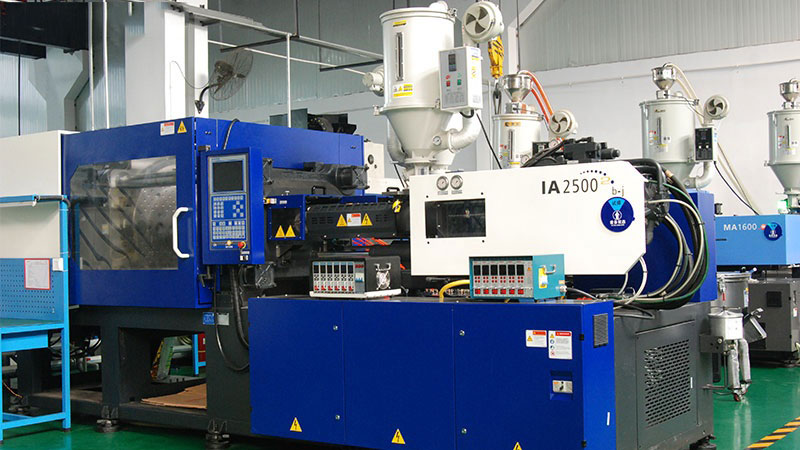
    For overseas buyers, sourcing a custom plastic injection moulding company in China remains one of the most effective strategies to achieve competitive advantage. The landscape, however, is evolving rapidly. By 2026, success will be defined not just by finding a low-cost producer, but by identifying a capable, transparent, and technologically adept manufacturing partner. This guide cuts through the noise to provide actionable, real-world strategies for your procurement journey, ensuring you secure both quality and value from your chosen China mold factory.

    The core challenge is no longer simply locating a manufacturer; it is efficiently verifying and onboarding a reliable one. The risks of poor communication, substandard tooling, and inconsistent part quality are real and costly. This process demands a methodical approach, moving beyond basic price comparisons to a deeper evaluation of capability, process, and partnership potential. The following framework is designed to solve these specific problems, turning a complex international procurement exercise into a manageable and successful project.

    Conducting rigorous supplier verification is your first and most critical line of defense. In 2026, due diligence must be digital and physical. Start with a deep analysis of the supplier’s digital footprint: a professional website with detailed case studies, technical specifications, and client testimonials is a minimum. Utilize third-party verification platforms to check business licenses and export credentials. However, true verification goes further. Insist on a virtual factory tour via video call. Request to see their machine park—paying attention to the brands (e.g., Haitian, Engel, Arburg) and tonnage range to ensure they match your project needs. Ask to speak directly with their project engineering team. A legitimate custom plastic injection moulding company will be transparent and proud to showcase its facilities and expertise, viewing this as the first step in a professional partnership.

    Defining your project with absolute clarity is non-negotiable before requesting quotations. Ambiguity is the primary cause of cost overruns and tooling failures. Prepare a comprehensive product specification package. This should include detailed 3D CAD files (STEP or IGS), 2D drawings with critical dimensions and tolerances clearly marked, material specifications (including grade and color), expected annual volumes, and samples or photos of any existing parts. For the injection mold itself, specify requirements for mold life (e.g., 500,000 shots), steel type (such as P20, H13, or S136), surface finish (SPI standards), and hot runner system preferences. Providing this level of detail allows all potential suppliers to quote on the exact same scope, enabling a true apples-to-apples comparison and signaling your professionalism.

    Mastering the quotation analysis is where strategic procurement decisions are made. When quotes arrive from various China mold factories, look beyond the bottom-line price. Break down the quotation into clear components: mold cost, piece-part price, and any ancillary fees (e.g., for mold trials or shipping). Scrutinize the proposed mold construction timeline and payment schedule. A suspiciously low quote often indicates the use of inferior steel, lack of necessary cooling channels, or omitted quality control steps. Engage in technical discussions with the shortlisted suppliers. Ask why their quote is structured a certain way. Their willingness and ability to explain technical and commercial decisions is a strong indicator of their integrity and engineering approach. This dialogue is crucial for selecting a partner, not just a vendor.

    Implementing staged quality control gates throughout the process mitigates risk before mass production begins. Your agreement should mandate inspections at critical milestones. The first gate is the initial Design for Manufacturability (DFM) report, which demonstrates the supplier’s understanding of your part and their proposed tooling strategy. The second is the pre-shipment inspection of the finished injection mold. This involves reviewing mold flow analysis reports, checking steel hardness, and verifying cavity dimensions. The most important gate is the First Article Inspection (FAI) using parts from the Trial Shot Report (TSR). These initial production samples should be meticulously measured against your drawings and tested for function. Employing a trusted third-party quality inspection service in China for these stages provides an objective assessment and prevents costly errors from moving downstream. Proactive quality control is the hallmark of dealing with a top-tier custom plastic injection moulding company.

    In conclusion, securing the best supplier for your plastic injection needs in 2026 requires a blend of modern verification techniques, precise specification, analytical procurement, and embedded quality assurance. The goal is to transform your China mold factory from a distant, anonymous entity into a transparent extension of your own operations. By following this structured approach, you solve the real problems of uncertainty and risk that plague international sourcing. The outcome is a successful, long-term partnership that delivers not only superior injection molds and components but also a sustainable competitive edge in your market. Begin your next project with this framework, and navigate the dynamic landscape of Chinese manufacturing with confidence and clarity.

    Work With Us

    As a professional China mold manufacturer, we provide one-stop mold solution for overseas buyers.
    📞 Phone: +86-18605944639
    💬 WhatsApp: +8618605944639
    🌐 Website: bestmoldworks.com
    📧 Email: [email protected]
  • custom silicone mold maker: Reliable Manufacturers Gu 2026

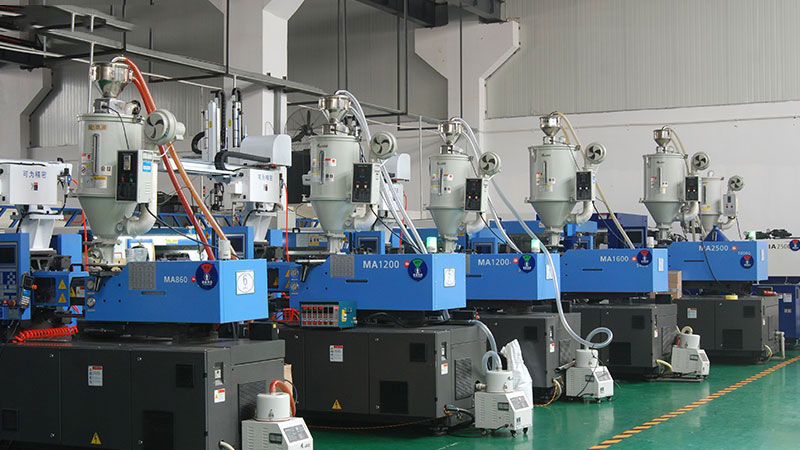
    For overseas buyers, the decision to import molds from China represents a significant opportunity for cost efficiency and manufacturing scalability. However, navigating the vast landscape of suppliers to find a truly reliable custom silicone mold maker can be a daunting task filled with potential pitfalls. As we look toward 2026, the procurement process is becoming more sophisticated, demanding a strategic approach beyond simple price comparison. This guide is designed to cut through the noise and provide you with actionable, professional strategies to identify and partner with reputable Chinese manufacturers, ensuring your project’s success from design to delivery.

    The cornerstone of successful procurement begins with rigorous supplier verification. In 2026, a manufacturer’s digital footprint is as critical as their factory floor. Start by moving beyond Alibaba listings. Scrutinize professional industry platforms like Made-in-China.com for B2B profiles, and insist on a detailed company audit report. A legitimate China mold factory will readily provide its business license, export records, and certifications relevant to your industry. The next critical step is to conduct a virtual factory tour. Request a live video walkthrough of their production facility, specifically asking to see their CNC machining centers, silicone mixing and curing areas, and quality control lab. Observe the organization, maintenance of equipment, and operator discipline. This real-time insight is invaluable and separates serious workshops from trading companies masquerading as manufacturers.

    Once a potential partner is shortlisted, mastering the technical and commercial discussion is paramount. When communicating your requirements for a custom silicone mold maker, be exceptionally detailed. Provide not just a 3D file (STEP or IGS format is standard), but a comprehensive specification sheet. This should include the type of silicone (e.g., LSR, HTV), required hardness (Shore A), expected cycle life, part dimensions, tolerances, and any critical surface finish requirements. For projects involving overmolding or insert molding, clarify the material of the insert. Discuss the mold base material—often pre-hardened steel like P20 or 718 for prototypes, and hardened steel like NAK80 or S136 for high-volume production. A professional manufacturer will ask clarifying questions and may suggest design for manufacturability (DFM) improvements to enhance mold longevity and part quality, a sign of their expertise.

    Implementing a robust quality control framework from the outset is non-negotiable. Your agreement must explicitly define quality milestones and inspection protocols. For an injection mold or silicone mold project, insist on a First Article Inspection (FAI) report. This document should compare critical part dimensions from the initial production shots against your original CAD data. Specify that key inspection points must be measured with calibrated instruments like CMMs (Coordinate Measuring Machines) or precision gauges. For silicone molds, also focus on visual inspection for bubbles, uniformity, and surface defects. Many reputable factories offer third-party inspection services through companies like SGS or Bureau Veritas, which can act as your eyes on the ground. Structuring your payment terms to align with these quality gates—for example, a percentage held until the FAI is approved—provides strong leverage and ensures accountability.

    Building a sustainable partnership requires viewing your supplier as a strategic extension of your operations. The most successful import relationships in 2026 are those built on transparency and long-term collaboration. Clearly communicate your production schedule, forecast volumes, and any plans for future product iterations. A reliable China mold factory values consistent business and will invest more in the relationship if they see future potential. Discuss their capacity for mold maintenance and repair—prompt support for wear and tear is crucial for minimizing downtime. Furthermore, understand their logistics capabilities. An experienced exporter will handle commercial invoices, packing lists, and shipping documentation efficiently, reducing your administrative burden. Regular, structured communication, perhaps through weekly update meetings during the mold-making phase, fosters trust and preemptively solves issues.

    As the global manufacturing landscape evolves, the strategies for successful importation must evolve with it. Finding a dependable custom silicone mold maker in China for your 2026 projects is a systematic process of verification, clear communication, quality enforcement, and partnership building. By moving beyond price as the sole deciding factor and implementing the practical steps of deep supplier vetting, detailed technical dialogue, staged quality control, and strategic relationship management, you significantly de-risk your procurement. This professional approach transforms the challenge of distance into a competitive advantage, granting you access to world-class manufacturing expertise, cost-effective production, and the agility needed to succeed in today’s market. Your reliable manufacturing partner is out there; the key is knowing how to identify and collaborate with them effectively.

    Work With Us

    As a professional China mold manufacturer, we provide one-stop mold solution for overseas buyers.
    📞 Phone: +86-18605944639
    💬 WhatsApp: +8618605944639
    🌐 Website: bestmoldworks.com
    📧 Email: [email protected]
  • custom manufacturing companies: Complete Procurement Gu 2026

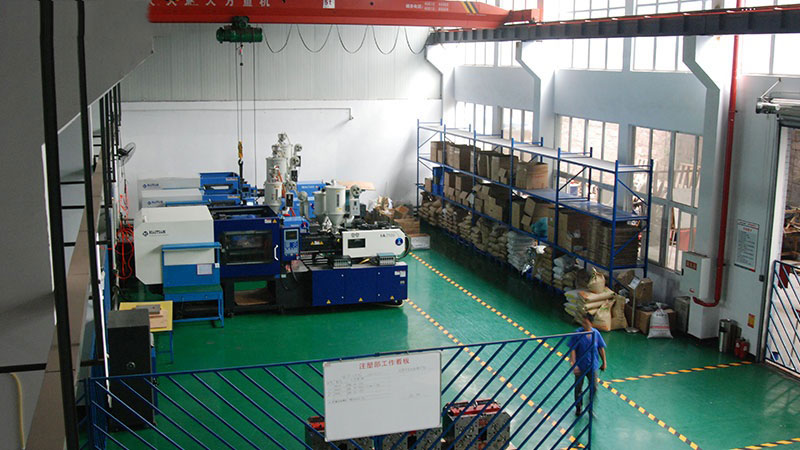
    For overseas businesses, partnering with the right custom manufacturing companies in China can be the cornerstone of a successful product launch, offering unparalleled cost efficiency and specialized expertise. However, the path from concept to a perfect injection mold arriving at your dock is fraught with potential pitfalls—communication gaps, quality inconsistencies, and logistical hurdles. This guide is designed for the pragmatic buyer. We move beyond generic advice to provide a clear, actionable procurement framework for 2026, helping you navigate the landscape of China mold factory options with confidence and control.

    Mastering the Pre-Procurement Phase: Define, Document, and Research

    Before you even begin searching for suppliers, internal clarity is your most valuable asset. Start by creating a comprehensive product specification document. This should include detailed 3D CAD files, material specifications (e.g., ABS, PP, PC), critical tolerances, expected annual volumes, and surface finish requirements. For injection molds, explicitly state the mold life expectancy (number of shots) and any certification needs. This document becomes your objective baseline, eliminating ambiguity. Concurrently, conduct targeted research. Utilize B2B platforms like Made-in-China.com or Global Sources, but prioritize cross-referencing with industry-specific trade shows and seeking referrals from your network. In 2026, the most reliable China mold factory will often be found through a combination of digital visibility and solid word-of-mouth reputation. Filter your initial list not just by capability, but by those who demonstrate experience in your specific product niche.

    Rigorous Supplier Verification: Due Diligence Beyond the Website

    A polished website and fluent English salesperson are starting points, not verification. The core of your procurement process must be rigorous supplier verification. First, request a business license and confirm the company’s legal standing. For critical projects, a third-party verification report is a wise investment. Next, insist on a video tour of the manufacturing facility. Observe the workshop organization, the age and maintenance of machinery (look for brands like Haitian, Engel, or Fanuc), and the in-house capabilities for design, machining, and quality testing. Crucially, ask for and contact references from past overseas clients. Discuss their experiences regarding communication, problem-solving, and post-sales support. This step separates marketing from reality and is non-negotiable for establishing trust with potential custom manufacturing companies.

    Structuring the Quotation and Contract for Mutual Success

    When you receive quotations, be wary of prices that seem too good to be true. A professional quote from a reputable China mold factory will break down costs: mold base material, cavity/core steel grade (e.g., P20, 718, S136), number of cavities, machining hours, and any ancillary costs like T1 sample shipping. Use this detailed breakdown to compare suppliers apples-to-apples. The contract is your ultimate safeguard. It must explicitly detail the technical specifications, project milestones with dates, payment terms (e.g., 30% deposit, 40% after T1 sample approval, 30% before shipment), and most importantly, the ownership and transfer of all design IP and mold assets. Clearly define the protocol for engineering change requests (ECRs) and associated costs. A clear contract aligns expectations and protects both parties.

    Implementing Proactive Quality Control Throughout Production

    Passive hope is not a quality control strategy. For injection mold projects, a proactive, staged QC approach is essential. Define key inspection points: First Article Inspection (FAI) after the mold is machined, a pre-shipment inspection of the physical mold, and a critical T1 sample inspection using the actual production mold. For the T1 samples, measure against your original spec document. Consider hiring a local third-party quality inspection firm to conduct these checks on your behalf, providing unbiased reports with photos and data. This is especially valuable during the initial production runs. Regular communication is part of QC; schedule weekly video update calls during the machining phase to monitor progress and address issues in real-time, preventing costly delays or rework.

    Navigating Logistics, Payment, and Building a Long-Term Partnership

    Finalizing the mold is only half the journey. Understand Incoterms 2020—FOB (Free On Board) is common, placing responsibility on you for shipping and insurance once the mold leaves the supplier’s port. Work with a reliable freight forwarder experienced in handling industrial machinery. For payment, secure methods like Letters of Credit (L/C) or using escrow services via platforms can offer protection, though they may add cost. Once the project concludes successfully, view the relationship strategically. A reliable China mold factory is a long-term asset. Provide constructive feedback, discuss future projects, and consider them an extension of your manufacturing team. This partnership approach can lead to priority service, better pricing, and collaborative innovation on future designs.

    Conclusion

    Procuring high-quality molds from China in 2026 demands a disciplined, process-oriented approach that replaces uncertainty with verified information and clear agreements. By investing time in precise specifications, conducting thorough supplier verification, structuring iron-clad contracts, enforcing staged quality control, and managing logistics professionally, you transform a complex international procurement into a manageable, successful project. The goal is not merely to buy a mold but to forge a partnership with competent custom manufacturing companies that will support your product quality and business growth for years to come. With this complete guide as your roadmap, you are equipped to make informed decisions and turn the strategic advantage of Chinese manufacturing into a tangible competitive edge for your business.

    Work With Us

    As a professional China mold manufacturer, we provide one-stop mold solution for overseas buyers.
    📞 Phone: +86-18605944639
    💬 WhatsApp: +8618605944639
    🌐 Website: bestmoldworks.com
    📧 Email: [email protected]

  • injection mold factory in china: Reliable Manufacturers 2026

    For overseas buyers, the decision to import molds from China is driven by compelling advantages: cost efficiency, scalable manufacturing capacity, and advanced technical capabilities. However, the core challenge remains consistent—navigating a vast and varied landscape to identify a truly reliable injection mold factory in China. As we look toward 2026, the criteria for reliability are evolving beyond simple price comparisons. This guide provides actionable, professional insights to help you solve real procurement problems and build a successful, long-term partnership with a qualified China mold factory.

    The foundation of a successful import project is rigorous supplier verification. In 2026, due diligence must be a multi-layered process. Start with a deep dive into the factory’s digital footprint. A professional website with detailed case studies, technical specifications, and clear contact information is a basic expectation. However, go further. Utilize international B2B platforms to examine transaction histories and client reviews, but treat these as preliminary data. The critical step is to verify business licenses and certifications like ISO 9001 for quality management systems. For precision injection mold projects, insist on evidence of specific industry certifications relevant to your field, such as IATF 16949 for automotive or ISO 13485 for medical devices. Finally, a video audit is now a non-negotiable minimum. Request a live virtual tour of the production floor, quality control labs, and testing facilities to assess their operational reality before any commitment.

    Once a potential partner passes initial verification, defining and agreeing upon quality control protocols is paramount. A reliable injection mold manufacturer distinguishes itself through transparent and proactive QC processes. Your procurement strategy must explicitly outline quality milestones. Key stages include Design for Manufacturability (DFM) review, where the factory’s engineers should provide feedback to optimize your design for production. First Article Inspection (FAI) is another critical checkpoint, requiring comprehensive dimensional reports against your CAD drawings. For injection mold projects, mold flow analysis should be a standard offering to predict and prevent potential defects in the final molded parts. Clearly specify the use of Coordinate Measuring Machines (CMM) and other precision measuring equipment for validation. Establish acceptable quality limits (AQL) for sample batches and define the process for corrective actions. A trustworthy partner will welcome this clarity and have their own detailed QC checklist to share.

    Effective communication and comprehensive contract structuring are your primary tools for mitigating risk. Misunderstandings regarding specifications, timelines, and payment terms are common pain points. To solve this, insist on a single point of contact—a project manager or senior engineer fluent in English with technical proficiency. All technical documents, including 2D drawings, 3D CAD models, and material specifications, must be unified and version-controlled. The commercial contract should be detailed and unambiguous. It must cover total cost breakdown (mold cost, sample cost, unit part price), a phased payment schedule tied to project milestones (e.g., 30% upon order, 40% after T1 sample approval, 30% before shipment), intellectual property (IP) ownership clauses, warranty terms for the mold (typically 1-2 years against workmanship and material defects), and liability definitions. Including provisions for third-party inspection at the factory before shipment is a prudent step for high-value orders.

    Looking ahead to 2026, the most reliable partners will be those investing in future-ready technologies. When evaluating an injection mold factory in China, probe their technological adoption. Factories utilizing advanced manufacturing techniques like 3D printing for conformal cooling channels, high-speed machining, and Industry 4.0 data integration offer significant advantages in precision, lead time, and long-term mold performance. Inquire about their software capabilities—are they proficient with the latest versions of mainstream CAD/CAM/CAE software? Furthermore, assess their material partnerships and in-house capabilities for handling engineering-grade plastics or specialty materials. A forward-thinking manufacturer will not only solve your current procurement need but will also be a collaborative partner capable of supporting product innovation and iteration, ensuring your supply chain remains competitive.

    The journey does not end with the successful shipment of the mold. The true test of a reliable China mold factory is its performance in post-sales support and long-term partnership. Discuss their policy on mold maintenance, repair, and storage. Will they store your mold safely for future production runs? What are the costs and lead times for modifications or repairs? A supplier invested in a lasting relationship will be responsive to these needs. Start with a smaller project to evaluate their performance holistically before scaling up. This phased approach builds trust and provides a realistic assessment of their reliability, communication efficiency, and commitment to quality over the entire product lifecycle, not just the initial sale.

    In conclusion, sourcing from an injection mold factory in China in 2026 demands a strategic, informed approach centered on verification, clarity, and partnership. By implementing rigorous supplier vetting, insisting on transparent quality control, structuring solid contracts, prioritizing tech-enabled manufacturers, and planning for long-term support, overseas buyers can transform the perceived complexity of importing molds into a definitive competitive advantage. The goal is to move beyond a transactional supplier relationship to a collaborative alliance with a reliable manufacturer, ensuring not just the success of a single project but the resilience and efficiency of your supply chain for years to come.

    Work With Us

    As a professional China mold manufacturer, we provide one-stop mold solution for overseas buyers.
    📞 Phone: +86-18605944639
    💬 WhatsApp: +8618605944639
    🌐 Website: bestmoldworks.com
    📧 Email: [email protected]

  • mold manufacturer china: Complete Procurement Guide 2026

    For overseas buyers, sourcing precision tooling from a mold manufacturer in China represents a significant strategic advantage, offering unparalleled cost efficiency and manufacturing scalability. However, navigating this complex landscape requires more than just finding the lowest quote. The journey from initial concept to receiving a flawless, production-ready mold at your facility is fraught with potential challenges in communication, quality validation, and logistics. This guide is designed to cut through the noise and provide you with a clear, actionable roadmap for 2026, focusing on practical steps to mitigate risk and secure a successful partnership with a reliable China mold factory.

    Conducting Thorough Supplier Verification and Qualification

    The foundation of a successful import project is a thoroughly vetted supplier. In 2026, due diligence goes beyond a website and a price list. Start by verifying the manufacturer’s business license and export credentials. Utilize third-party inspection reports and platforms that offer verified supplier audits. Crucially, assess their technical capability specific to your needs. Do they have proven experience with your material (e.g., high-temperature plastics, liquid silicone rubber) and the required mold life? Request and scrutinize a detailed company profile, a portfolio of past projects for overseas clients, and a list of equipment. A professional mold manufacturer in China will be transparent and proactive in providing this information. Arrange a video call for a virtual factory tour; seeing the workshop floor, the CNC machines, EDM equipment, and the quality control area in real-time is invaluable and has become a standard expectation.

    Mastering the Technical and Commercial Quotation Process

    A precise and comprehensive Request for Quotation (RFQ) is your most powerful tool for ensuring accurate bids and avoiding costly change orders later. Your RFQ package must include a fully detailed 3D product model (STEP or IGS format), 2D drawings with critical dimensions and tolerances clearly marked, material specifications for the final plastic part, and expected annual volumes. Specify all mold requirements: steel grade (e.g., P20, H13, S136), cavity count, hot runner system preference, cooling line design, surface finish (SPI standards), and expected mold life. For overseas buyers, it is essential to clarify commercial terms upfront. Request a breakdown that separates mold cost, sample part cost, and future piece-part pricing. Clearly define Incoterms 2026 (e.g., FOB Shanghai, CIF Los Angeles) and understand what is included in the mold price—such as mold trials, sample shipments, and spare parts. Comparing quotes on a like-for-like basis is the only way to make a sound financial decision.

    Implementing Rigorous Stage-Gate Quality Control Protocols

    Passive hope is not a strategy for quality. Proactive, structured quality control integrated throughout the manufacturing timeline is non-negotiable. Insist on a stage-gate inspection plan with your chosen China mold factory before order confirmation. Key inspection milestones typically include: a First Article Inspection (FAI) after the steel is machined to check critical dimensions, a Trial Run Inspection where you receive video evidence and data from the mold test (including shot parameters, cycle time, and part measurements), and a Pre-Shipment Inspection (PSI) of the final mold. For critical projects, engage a local third-party quality inspection firm to conduct these checks on your behalf. Their unbiased reports on steel hardness, texture, fitting, and part conformity provide an essential layer of oversight. This process ensures issues are identified and resolved before the mold leaves the factory, saving immense time and cost compared to discovering problems upon arrival at your facility.

    Navigating Logistics, Communication, and After-Sales Support

    The final hurdle involves seamless execution from factory floor to your door. Establish clear communication protocols from the start. Designate a single point of contact on both sides who is technically fluent. Use collaborative project management tools for sharing updates, drawings, and inspection reports. For logistics, work with a freight forwarder experienced in handling heavy machinery and mold shipments. Ensure the mold is properly crated and protected for ocean freight. Discuss and document the after-sales support terms explicitly. What is the warranty period for workmanship and materials? How are breakdown spare parts (like cores and ejector pins) handled? A reputable supplier will provide mold design drawings and a comprehensive maintenance manual. Establishing a framework for ongoing support turns a transactional purchase into a strategic, long-term manufacturing partnership.

    Conclusion

    Importing molds from China in 2026 demands a disciplined, informed approach that prioritizes verification, clarity, and proactive quality management. By meticulously qualifying your mold manufacturer China, crafting detailed technical specifications, enforcing staged inspections, and planning for logistics and aftercare, you transform a complex international procurement into a controlled and predictable process. The goal is not merely to buy a tool, but to secure a foundational asset for your production success. By following this guide, overseas buyers can confidently leverage the expertise and cost advantages of Chinese mold manufacturing while effectively mitigating the inherent risks, ensuring a smooth path from procurement to profitable production.

    Work With Us

    As a professional China mold manufacturer, we provide one-stop mold solution for overseas buyers.
    📞 Phone: +86-18605944639
    💬 WhatsApp: +8618605944639
    🌐 Website: bestmoldworks.com
    📧 Email: [email protected]

  • create custom silicone molds: Best Suppliers & Qualit 2026

    For overseas buyers and product developers, the decision to import molds from China represents a significant opportunity to achieve cost efficiency without sacrificing capability. Specifically, when you aim to create custom silicone molds, navigating the vast Chinese manufacturing landscape can be daunting. The market is dense with options, but variance in quality, communication, and reliability is high. This professional guide is designed to cut through the noise, offering actionable strategies for 2026. We focus not on fluff but on solving the real procurement problems you face: identifying the best suppliers, ensuring stringent quality control, and establishing a seamless workflow from design to delivery. By adhering to these principles, you can transform a complex international procurement process into a streamlined and successful partnership.

    The foundational step is meticulous supplier verification. Simply finding a long list of China mold factory options online is insufficient. In 2026, due diligence must be deeper. Start by verifying business licenses and export credentials. Prioritize factories with a proven track record in silicone and liquid silicone rubber (LSR) injection mold technology, as this differs from standard plastic injection molds. Request detailed case studies and, crucially, contact past international clients. Utilize video conferencing for virtual factory tours to assess machinery, cleanroom environments (critical for food-grade or medical silicone), and workflow organization. A reliable supplier will be transparent and proactive during this phase, understanding that your goal to create custom silicone molds is a technical collaboration, not just a transaction.

    Once a potential partner is identified, the focus shifts to technical and commercial clarity. The request for quotation (RFQ) process is your primary tool for alignment. Provide comprehensive design files (preferably 3D CAD) and a detailed specification sheet. This should include the silicone material type (Shore hardness, temperature resistance, certifications like FDA or LFGB), expected cavity count, cycle life requirements, and part volume projections. A professional China mold factory will review these files and engage in a Design for Manufacturability (DFM) analysis. This collaborative review is critical; it identifies potential production issues, optimizes the mold design for longevity and efficiency, and finalizes cost. Clarify all commercial terms—Incoterms 2020, payment milestones, tooling warranty, and intellectual property protection—before proceeding to the tooling fabrication stage.

    The most critical phase, and where many projects falter, is proactive quality control. You cannot adopt a “set and forget” mindset. Implement a staged QC protocol anchored by clear milestones. First, require a First Article Inspection (FAI) report after initial sampling. This document should verify critical dimensions against your drawings. Second, schedule a Pre-Shipment Inspection (PSI) at the factory before the mold is crated. This inspection checks for workmanship, finishing, functionality of sliders and lifters, and the integration of heating/cooling systems. For high-volume or critical applications, consider having a third-party QC agent on-site during the sampling runs. This hands-on approach to quality control ensures the injection mold meets all specifications and is ready for production, preventing costly delays and rework after it arrives at your facility.

    Managing logistics and fostering a long-term partnership are the final pillars of success. Work with your supplier to determine the optimal shipping method—air freight for urgency or sea freight for cost-effectiveness on heavy molds. Ensure the mold is properly protected, using desiccants in the crate to prevent corrosion during transit. Upon receipt, conduct your own audit. The true test of a supplier, however, comes with time. The best partners offer responsive post-sales support for maintenance, troubleshooting, and potential future modifications. They view your initial project to create custom silicone molds as the start of an ongoing relationship. Document all processes and communications meticulously to build a knowledge base that streamlines future procurement cycles with your chosen China mold factory.

    In conclusion, successfully importing high-quality custom silicone molds from China in 2026 is a systematic process built on verification, clarity, and active oversight. It moves beyond simple price comparison to value assessment, where a supplier’s technical expertise, communication standards, and quality control infrastructure are paramount. By rigorously verifying suppliers, defining specifications with precision, enforcing staged quality inspections, and planning for logistics and long-term collaboration, overseas buyers can mitigate risks and unlock the immense value the Chinese manufacturing sector offers. The journey requires diligence, but the reward is a durable, precision-crafted injection mold that empowers your product vision and delivers a strong return on investment for years to come.

    Work With Us

    As a professional China mold manufacturer, we provide one-stop mold solution for overseas buyers.
    📞 Phone: +86-18605944639
    💬 WhatsApp: +8618605944639
    🌐 Website: bestmoldworks.com
    📧 Email: [email protected]