Blog

  • china plastic injection mold manufacturer: Ultimate G 2026

    For overseas businesses, from ambitious startups to established OEMs, sourcing a reliable china plastic injection mold manufacturer is one of the most impactful decisions for product development and manufacturing success. The potential for significant cost savings, rapid prototyping, and access to extensive manufacturing expertise is immense. However, the path is often fraught with challenges: communication barriers, unclear quality standards, logistical complexities, and the daunting task of supplier verification from afar. This guide is designed to cut through the noise and provide you with a clear, actionable framework for navigating the Chinese mold industry in 2026, transforming a complex procurement process into a strategic advantage.

    Mastering Supplier Verification and Qualification

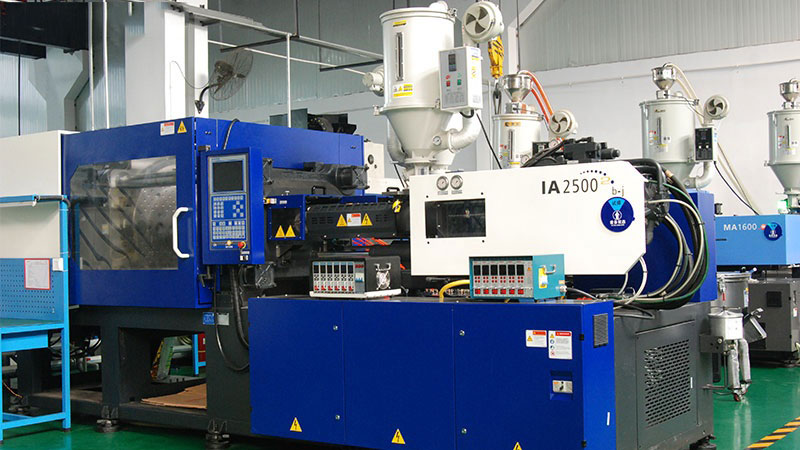
    The foundation of a successful import project is a thoroughly vetted partner. Moving beyond Alibaba listings is crucial. Begin with a multi-faceted verification approach. First, insist on a virtual factory tour via video call; a reputable China mold factory will readily showcase their shop floor, machinery (look for modern CNC, EDM, and injection molding machines), and quality control stations. Second, verify business licenses and export credentials. Third, and most critically, analyze their portfolio in your specific niche—request detailed case studies, including part design, challenges faced, and solutions implemented. In 2026, leveraging professional third-party inspection services for an initial audit can be a wise investment to validate capabilities before any contract is signed. This due diligence filters out trading companies and unqualified workshops, ensuring you engage with a true manufacturer.

    Streamlining Design for Manufacturability and Communication

    Clear technical communication is your strongest tool against cost overruns and delays. Before sending your RFQ to a potential china plastic injection mold manufacturer, invest in a comprehensive Design for Manufacturability (DFM) analysis. While many suppliers offer this service, having an independent engineer review your 3D files (in STEP or IGS format) can pre-empt fundamental issues. When communicating with the supplier, use visual aids relentlessly: annotate drawings, mark up PDFs, and create short video explanations. Establish a single point of contact on their side who is technically proficient in English. Utilize collaboration tools that allow for markups and version control on drawings. Precise communication on tolerances, surface finishes (SPI standards), material selection (including resin type and shrink rate), and expected mold life (number of shots) aligns expectations from the outset and is a hallmark of professional procurement.

    Implementing a Rigorous Stage-Gate Quality Control Protocol

    Quality cannot be an afterthought; it must be engineered into the process through agreed-upon checkpoints. Negotiate a stage-gate payment and inspection plan tied to key milestones. Critical inspection points include: 1) **Steel Inspection:** Verify the grade and hardness of the mold base and core/cavity inserts upon material arrival. 2) **First Article Inspection (FAI):** After the T1 sample is produced, conduct a full dimensional report against your CAD data. 3) **Pre-shipment Sample Approval:** Before mass production or shipment of the mold itself, approve final samples from the production cavity. For each gate, define the acceptance criteria clearly. Hiring a local third-party quality control agency for the T1 sample and pre-shipment inspections provides an objective assessment. This protocol ensures the injection mold meets specifications before it leaves the factory, preventing costly rework after it arrives at your facility.

    Navigating Logistics, IP Protection, and After-Sales Support

    The journey does not end when the mold is complete. Protecting your intellectual property is paramount. Ensure your contract includes a robust confidentiality clause (NN agreement) and clearly states that all design and tooling rights belong to you. For logistics, decide on Incoterms (FOB is common) and partner with a freight forwarder experienced in handling heavy machinery and mold shipments to manage customs clearance at destination. Discuss and document after-sales support terms: What is the warranty period (typically 1-2 years)? How are wear-and-tear parts like cylinders and ejector pins handled? What is the process and cost for future mold modifications? A professional manufacturer will provide mold maintenance manuals and spare parts lists. Clarifying these points upfront ensures a long-term, reliable partnership.

    Conclusion

    Importing an injection mold from China in 2026 represents a significant strategic opportunity, but its success hinges on a disciplined, informed approach. By prioritizing in-depth supplier verification, enforcing crystal-clear technical communication, implementing a structured quality control protocol with defined gates, and securing logistics and after-sales terms, you mitigate the inherent risks. The goal is to move from a transactional purchase to a collaborative partnership with a skilled China mold factory. This ultimate guide underscores that the most cost-effective mold is not the cheapest initial quote, but the one delivered by a competent partner that produces high-quality parts consistently, on time, and without hidden costs, thereby ensuring your product’s success in the global marketplace.

    Work With Us

    As a professional China mold manufacturer, we provide one-stop mold solution for overseas buyers.
    📞 Phone: +86-18605944639
    💬 WhatsApp: +8618605944639
    🌐 Website: bestmoldworks.com
    📧 Email: [email protected]
  • China mold Manufacturerturer: Expert Tips & Solutions 2026

    Navigating the landscape of mold manufacturing in China presents a significant opportunity for cost efficiency and advanced manufacturing capabilities. However, for overseas buyers, the process involves complexities that, if mismanaged, can lead to costly delays, quality issues, and logistical headaches. This guide is designed to cut through the noise and provide you with a professional, actionable framework for successful procurement. We will focus on solving real problems you face, from initial supplier verification to final quality control, ensuring your project in 2026 and beyond is built on a foundation of clarity and reliability.

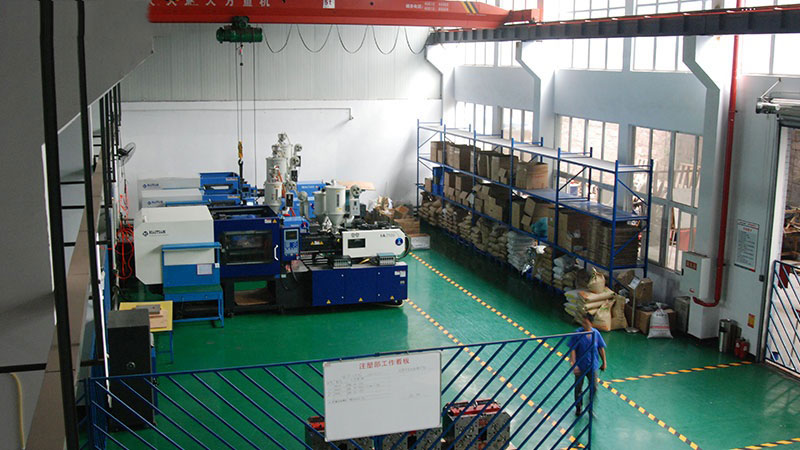
    The cornerstone of any successful import project is thorough supplier verification. Moving beyond a simple Alibaba search is non-negotiable. Begin by scrutinizing the China mold factory’s business licenses and export history. Request detailed case studies or portfolios that match your industry’s complexity, whether for automotive, medical, or consumer electronics. A critical step is to conduct a virtual audit; insist on a live video tour of their facility. This allows you to assess their machinery (look for modern CNC, EDM, and CMM equipment), workshop organization, and in-house capabilities. Verify if they handle design, machining, and trial runs internally, as this reduces coordination errors. Furthermore, check for relevant international quality certifications like ISO 9001 as a baseline. For specialized molds, inquire about material traceability and any industry-specific standards they adhere to. This due diligence phase filters out trading companies masquerading as manufacturers and aligns you with a genuine, capable partner.

    Once a potential partner is identified, mastering the technical and commercial communication phase is vital. The single most important tool here is a comprehensive and unambiguous Request for Quotation (RFQ). Your RFQ must include not just part drawings (in a universal format like .step or .igs), but also a detailed specification sheet. This sheet should cover mold steel grade (e.g., P20, H13, S136), cavity surface finish requirements, expected lifespan (number of shots), cooling line design, and gate type. Clearly state your tolerances and critical dimensions. For injection mold projects, include details on the resin material, expected cycle time, and part volume. During negotiations, be wary of quotes that seem abnormally low; they often signal corner-cutting on materials, precision, or post-sales support. Discuss payment terms strategically; a common and balanced structure is 40% deposit, 50% after pre-shipment sample approval, and 10% after receipt. Always use a secure payment method like Letter of Credit (L/C) or escrow services for larger orders to mitigate financial risk.

    Proactive quality control, rather than reactive inspection, is what separates successful imports from failures. Do not assume quality will be as per your standards—define and enforce them. Implement a staged inspection protocol. First, a Design for Manufacturability (DFM) review should be mandatory before steel is cut. This collaborative step can prevent fundamental design flaws. Next, insist on First Article Inspection (FAI) reports with dimensional results from the mold trial. The most critical hands-on step is arranging an independent Third-Party Inspection (TPI) during the pre-shipment sample stage. A qualified inspector will visit the factory to check mold dimensions, material hardness, surface polish, and functionality through a witnessed trial run, producing detailed reports with photos and videos. This objective assessment, typically costing a few hundred dollars, can save tens of thousands in rework and downtime. Clearly define your Acceptable Quality Level (AQL) for any molded sample parts provided.

    The final hurdle involves navigating logistics, intellectual property (IP) protection, and building a long-term relationship. Ensure your Incoterms (e.g., FOB, EXW) are explicitly agreed upon to avoid confusion over shipping costs and responsibilities. For IP protection, while Chinese law offers frameworks, practical on-the-ground measures are stronger. Have a well-drafted Non-Disclosure Agreement (NDA) in both English and Chinese, signed before sharing any designs. Consider filing for design or utility model patents in China for critical molds. Building a partnership with your chosen China mold manufacturer yields long-term benefits. Treat them as a strategic extension of your engineering team. Provide clear feedback, be reasonable with requests, and ensure timely payments. A trusted relationship often leads to priority scheduling, more proactive problem-solving, and better pricing on future projects. This collaborative approach transforms a transactional supplier into a valuable asset for your supply chain.

    Importing molds from China remains a highly strategic move for global businesses seeking competitive advantage. The journey, from identifying a proficient China mold manufacturer to receiving a high-quality tool, demands a disciplined, informed approach centered on verification, clear communication, and rigorous quality control. By implementing these expert tips and solutions in 2026, you systematically de-risk the procurement process. You move from being a passive buyer to an informed partner, capable of leveraging China’s manufacturing excellence to its fullest while safeguarding your project’s quality, timeline, and budget. The goal is not just to buy a mold, but to establish a reliable manufacturing partnership that delivers value for years to come.

    Work With Us

    As a professional China mold manufacturer, we provide one-stop mold solution for overseas buyers.
    📞 Phone: +86-18605944639
    💬 WhatsApp: +8618605944639
    🌐 Website: bestmoldworks.com
    📧 Email: [email protected]
  • custom plastic injection molding companies: Reliable M 2026

    For overseas buyers, navigating the landscape of custom plastic injection molding companies in China presents a significant opportunity tempered by familiar challenges. The potential for cost savings, scalable production, and advanced manufacturing capabilities is immense. Yet, the path is often complicated by concerns over communication barriers, inconsistent quality, intellectual property protection, and the fundamental task of supplier verification. As we look toward 2026, the strategies for successful procurement are evolving. This guide is designed to move beyond generalities and provide actionable, professional insights for identifying and partnering with a reliable China mold factory for your injection mold needs.

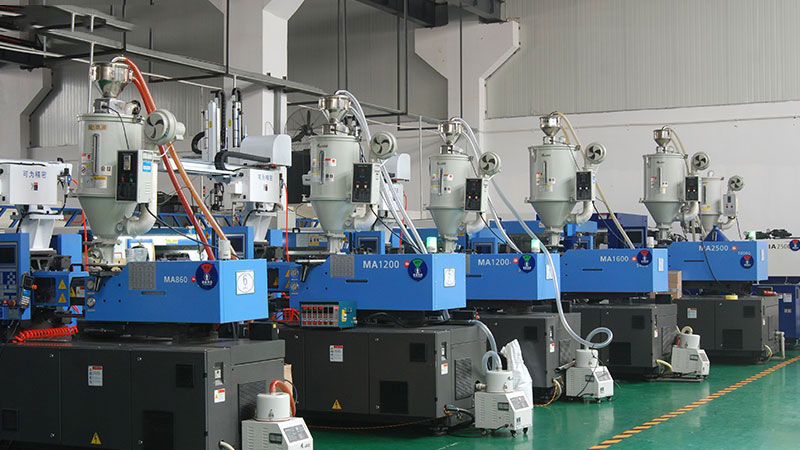
    The cornerstone of any successful import project is rigorous supplier verification. In 2026, this goes beyond checking a business license. Start with a multi-layered due diligence process. First, utilize professional third-party verification services to confirm the legal and operational status of the potential supplier. Next, conduct a virtual audit; request a live video tour of their facility. A reputable injection mold manufacturer will readily showcase their CNC machining centers, EDM equipment, injection molding machines, and, crucially, their quality control lab. Pay close attention to their project management team. Who will be your direct point of contact? Understanding their internal communication chain is vital to preempt future delays. This initial verification phase is not about finding the cheapest option, but identifying competent custom plastic injection molding companies with transparent operations.

    Once a potential partner is vetted, defining and controlling quality becomes the critical operational focus. The adage “quality is built in, not inspected in” is paramount in mold making. Your technical agreement must be exhaustive. It should include not just final part dimensions, but also mold steel specifications (brand and grade), surface finish requirements, tolerance standards, cavity pressure data points, and a detailed plan for mold trials (T1, T2, etc.). Insist on a First Article Inspection (FAI) report and dimensional layout for all trial shots. For ongoing production, define the acceptable Quality Control (QC) frequency and the sampling plan based on AQL standards. Many reliable China mold factories now integrate process monitoring systems that allow for remote viewing of real-time production data. Establishing these protocols upfront aligns expectations and provides objective benchmarks, transforming quality control from a point of conflict into a structured, collaborative process.

    Effective communication and project management are the engines that drive a complex injection mold project to timely completion. The 2026 approach demands structured professionalism. Establish a single point of contact on both sides who possesses technical English proficiency. Utilize shared project management platforms where 3D drawings (STEP, IGS), 2D drawings (PDF, DXF), and progress updates are logged centrally. Schedule weekly update meetings with a fixed agenda covering completed actions, upcoming milestones, and any roadblocks. Remember, time zone differences are an advantage, not a hindrance, if managed well. A clear communication protocol ensures that feedback on design for manufacturability (DFM) reports, mold flow analysis, and trial sample approvals is given promptly and unambiguously. This structured approach prevents the vast majority of misunderstandings that plague international procurement.

    Finally, a forward-looking partnership considers the total lifecycle of your product. The most reliable custom plastic injection molding companies in China distinguish themselves by thinking beyond the initial order. Discuss their approach to mold maintenance and repair. Do they offer spare part packages for wear items like lifters and ejector pins? Inquire about their capacity for future production runs and their flexibility for design iterations. A partner invested in a long-term relationship will be transparent about their production scheduling and will work with you to plan for inventory or just-in-time delivery. Furthermore, as sustainability becomes increasingly important, inquire about their material expertise with recycled resins or bio-polymers. A supplier that can support your product from prototype through to mass production and eventual redesign offers immense strategic value, reducing the need for continual supplier verification for every new project.

    In conclusion, reliably importing molds from China in 2026 is a highly achievable goal for overseas buyers who adopt a systematic and professional approach. The journey from sourcing to delivery hinges on meticulous supplier verification, uncompromising and clearly defined quality control, disciplined communication, and a vision for a strategic partnership. By focusing on these core areas, you can confidently navigate the market and identify a China mold factory that is not just a vendor, but a true extension of your manufacturing team. The goal is to transform the inherent complexities of overseas procurement into a streamlined, predictable, and competitive advantage for your business.

    Work With Us

    As a professional China mold manufacturer, we provide one-stop mold solution for overseas buyers.
    📞 Phone: +86-18605944639
    💬 WhatsApp: +8618605944639
    🌐 Website: bestmoldworks.com
    📧 Email: [email protected]
  • injection molding factory near me: Ultimate Guide for 2026

    For overseas buyers, the search for an “injection molding factory near me” often evolves into a global quest for the optimal combination of cost, capability, and quality. While local manufacturing offers certain advantages, China remains the undisputed epicenter for mold making and injection molding, offering unparalleled expertise and economies of scale. However, navigating this complex landscape requires a modern, strategic approach. This ultimate guide for 2026 provides actionable, professional insights to help you procure high-quality injection molds from China efficiently and confidently, turning geographical distance into a competitive advantage.

    **Redefining “Near Me” in a Globalized Supply Chain**

    In 2026, proximity is no longer just about physical distance; it’s about logistical integration, communication efficiency, and supply chain resilience. Your ideal **China mold factory** may be thousands of miles away, but with the right processes, it can feel closer and more responsive than a local shop. The first step is to shift your procurement mindset. Instead of searching locally, focus on identifying Chinese partners who operate with transparency and have systems in place to bridge the gap. This means prioritizing suppliers with dedicated international sales teams, proficiency in your language, and a working understanding of your market’s quality standards and compliance requirements. A factory that uses cloud-based project management tools and offers live video inspections can effectively become a virtual extension of your own operations.

    **Strategic Supplier Verification: Beyond Alibaba Listings**

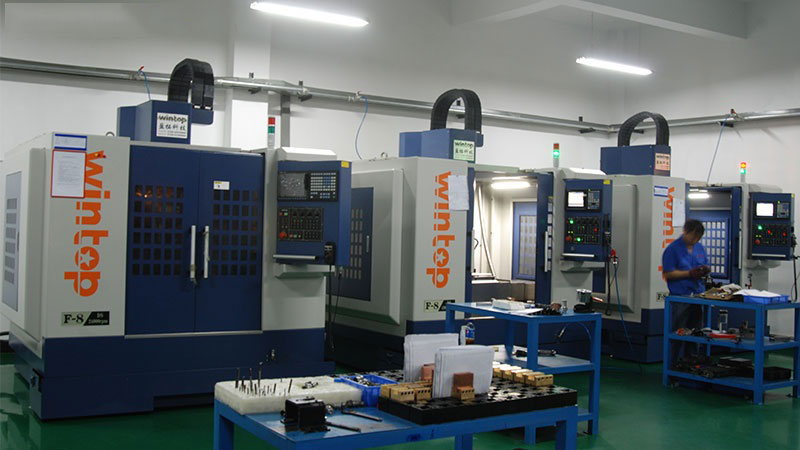
    Finding a potential partner is easy; verifying a reliable one is the critical task. In 2026, due diligence must be multi-layered. Start with a deep dive into the supplier’s digital footprint. Analyze their website for technical content, case studies, and client testimonials. Use professional networks and industry forums for unbiased references. Crucially, move beyond factory audits conducted by third-party agencies that may offer generic checklists. Invest in a video-conference audit where you direct the camera. Request a live tour of the mold shop and injection molding floor, ask to see their precision measurement equipment (CMM, 3D scanners), and interview their engineering and quality team leads. Verify their material traceability processes and inspect current projects. This active verification process is the most effective way to assess their true capability and professionalism.

    **Mastering Technical Procurement and Prototyping**

    A successful **injection mold** procurement hinges on flawless technical communication. In 2026, simply sending a 3D file is insufficient. You must provide a comprehensive technical package: a fully reviewed 3D model (STEP or IGS), 2D drawings with critical dimensions and tolerances (GD&T), material specifications, and a detailed mold specification document. This document should cover mold steel type (e.g., P20, H13, S136), cavity surface finish, lifter and slider mechanisms, cooling line layout, and expected cycle time. Insist on a Design for Manufacturability (DFM) review before any steel is cut. A competent factory will provide annotated feedback on potential issues like undercuts, wall thickness, and gate locations. Furthermore, leverage their expertise for rapid prototyping. Many top-tier Chinese mold makers now offer in-house SLA, SLS, or CNC machining to produce functional prototypes for validation before committing to the full **injection mold** cost, de-risking the entire project.

    **Implementing Rigorous, Multi-Stage Quality Control**

    **Quality control** is the non-negotiable pillar of importing molds. Your agreement must define clear, measurable checkpoints with deliverables. Stage 1 is the First Article Inspection (FAI) report from the mold trial. You should receive a detailed report including photos, video of the trial run, and dimensional measurement results of the molded parts against your drawing. Stage 2 involves the approval of pre-shipment sample parts shipped to you for hands-on verification. For critical applications, plan for an in-person or third-party inspection during the final mold trial. Discuss and agree upon the mold qualification process: what is the acceptable number of shots for a sample, what are the criteria for part approval, and how are minor defects handled? Ensure the contract specifies that full payment for the mold is only released after you have formally approved the sample parts and received all agreed-upon documentation, including the mold design drawings and maintenance guide.

    **Building a Partnership for Long-Term Production**

    The end goal is not just a mold, but a stream of quality parts. Therefore, evaluate your **injection molding factory** as a long-term production partner. Discuss their injection molding capacity, including machine tonnage range, automation capabilities (robotic arms, conveyor systems), and experience with your specific material. Understand their production scheduling, minimum order quantities, and packaging standards for bulk shipments. Clarify responsibilities: who owns the mold, where will it be stored, and what are the costs and terms for future production runs and mold maintenance? A forward-thinking partner will be proactive in suggesting design optimizations for cost-effective mass production and will keep you informed about raw material market trends that could affect part pricing.

    Conclusion

    The search for an “injection molding factory near me” in 2026 is fundamentally a search for capability, reliability, and seamless integration. By adopting a strategic approach to supplier verification, mastering technical **procurement**, enforcing rigorous **quality control**, and fostering a partnership mindset, overseas buyers can successfully harness the strengths of Chinese manufacturing. The geographical distance becomes irrelevant when you have a transparent, professional, and technologically adept partner. This guide provides the framework to build such a partnership, ensuring that your venture into importing molds from China is a calculated step toward greater innovation and market competitiveness in the years ahead.

    Work With Us

    As a professional China mold manufacturer, we provide one-stop mold solution for overseas buyers.
    📞 Phone: +86-18605944639
    💬 WhatsApp: +8618605944639
    🌐 Website: bestmoldworks.com
    📧 Email: [email protected]
  • Mold customization online: Best Suppliers & Quality C 2026

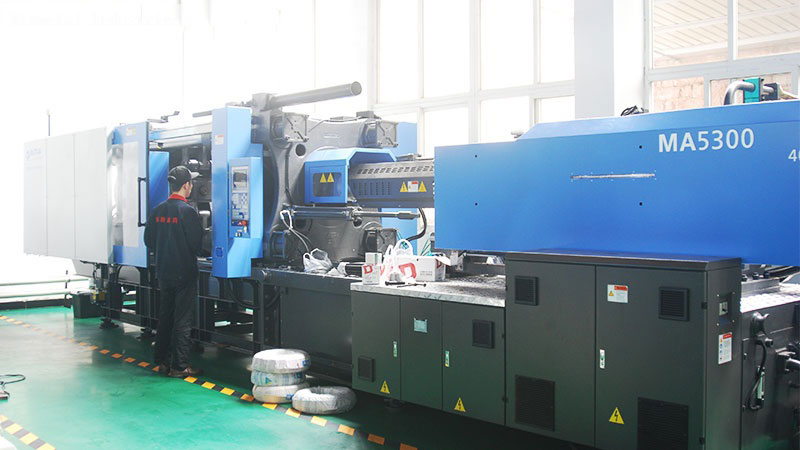
    For overseas buyers, the prospect of importing molds from China represents a significant opportunity for cost efficiency and advanced manufacturing capability. However, navigating the digital landscape to procure a custom tool that meets exact specifications, quality standards, and project timelines can be daunting. The promise of **mold customization online** is compelling, but it requires a methodical approach to supplier selection and quality assurance. As we look toward 2026, the market is evolving, with leading suppliers leveraging more sophisticated digital tools. This guide provides actionable strategies to help you secure the best partnerships and implement robust quality control, turning the complexity of online procurement into a competitive advantage.

    The foundation of a successful import project lies in rigorous supplier verification. Simply finding a **China mold factory** with an attractive website and price list is no longer sufficient. Begin by scrutinizing their digital footprint beyond their own platform. Look for detailed case studies, video tours of their facility, and technical whitepapers that demonstrate their expertise with specific materials or industries. Utilize third-party verification platforms to check business licenses, export history, and certifications like ISO 9001. Crucially, initiate direct technical communication early. A reputable supplier will assign a project engineer to discuss your part design, material selection (critical for the **injection mold** process), and expected volumes. This first interaction is a key indicator of their professionalism and willingness to engage as a partner, not just an order-taker.

    Once a shortlist of potential partners is established, deepening the **procurement** dialogue is essential. The era of vague quotations is over. Demand a detailed breakdown that includes mold base standards (LKM, HASCO, or DME), steel grade and hardness for each component, cavity and core treatment processes, and a clear timeline with milestone payments. For **injection mold** projects, discuss their simulation capabilities (Moldflow or similar) upfront. A forward-thinking factory will use this software to predict and resolve potential filling issues, warpage, and cooling inefficiencies before cutting steel, saving immense cost and time. Furthermore, clarify intellectual property (IP) protection protocols in a formal agreement. A professional supplier in 2026 understands the importance of IP security to international clients and will have clear contractual measures in place.

    The most critical phase, and where many online projects falter, is proactive quality control. Do not wait until the final inspection to assess the mold. Insist on a documented Quality Control (QC) plan that aligns with your critical-to-quality dimensions. This should include staged inspections: first article inspection (FAI) of raw mold steel certificates, T1 sample inspection with full dimensional report (CMM data preferred), and pre-shipment audit. The modern solution is to leverage digital monitoring. Require your chosen **China mold factory** to share regular photos and videos from the shop floor—machining of the core/cavity, EDM texturing, mold assembly, and trial run videos with process parameters displayed. For high-value tools, engaging a local third-party QC agency for an on-site audit during the T1 sample stage is a highly recommended investment. This layered approach to verification mitigates risk substantially.

    Effective management of the sampling and production launch bridges the gap between a good mold and a successful product. Upon receiving T1 samples, conduct a thorough evaluation not just of dimensions, but also of assembly, function, and cosmetic appearance. Provide clear, consolidated feedback to the supplier. The best suppliers will manage the iteration process efficiently, documenting all changes. Discuss and agree upon mold maintenance and warranty terms before shipment. A reliable partner will offer a standard warranty covering workmanship and materials, often for 12-18 months, and provide a comprehensive mold manual. For ongoing production, establish clear communication channels for order placement, production scheduling, and logistics. This end-to-end process management ensures that your **mold customization online** journey results in a durable asset that delivers consistent, high-quality parts for years.

    In conclusion, mastering **mold customization online** for 2026 is defined by strategic digital engagement coupled with traditional due diligence. The landscape is populated with both exceptional and subpar suppliers; your success hinges on a disciplined process of verification, technical collaboration, and embedded quality control. By focusing on factories that demonstrate transparency, engineering prowess, and a commitment to partnership, overseas buyers can confidently unlock the value of Chinese mold manufacturing. The goal is to transform a complex international procurement into a seamless extension of your own production capability, ensuring quality, reliability, and a strong return on investment for the years ahead.

    Work With Us

    As a professional China mold manufacturer, we provide one-stop mold solution for overseas buyers.
    📞 Phone: +86-18605944639
    💬 WhatsApp: +8618605944639
    🌐 Website: bestmoldworks.com
    📧 Email: [email protected]
  • Custom Silicone Mold with Logo: Ultimate Guide for Buy 2026

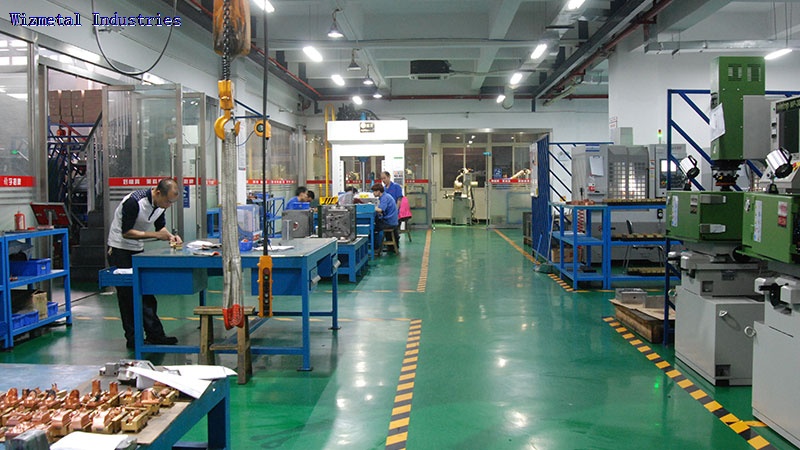
    For overseas entrepreneurs and product developers, creating branded, high-quality items often starts with a foundational tool: the custom silicone mold with logo. This specialized manufacturing component is crucial for producing consistent, logo-embossed parts in materials like epoxy resin, concrete, soap, wax, or low-temperature alloys. Sourcing these molds directly from China offers significant advantages in cost and scalability, but the procurement journey requires strategic navigation. This ultimate guide for 2026 provides actionable insights to help you confidently partner with a reliable China mold factory, ensuring your branded production begins on solid ground.

    The journey begins with precise technical definition. Before contacting any supplier, crystallize your project requirements. Determine the exact silicone type needed—be it platinum-cure for ultra-fine detail and food safety, or tin-cure for cost-effective general use. Provide detailed 3D CAD files or exceptionally clear 2D drawings specifying all dimensions, the logo’s depth and placement, and the intended molding material. This clarity prevents costly misunderstandings. When discussing your custom silicone mold with logo, explicitly state your expected production volume from the mold (number of casts) and the required turnaround time. This initial preparation signals professionalism and enables accurate quoting, separating serious buyers from casual inquiries.

    Finding and verifying your supplier is the most critical step. Moving beyond basic Alibaba searches, leverage industry-specific B2B platforms and attend virtual trade shows focused on mold making. The goal is to identify a China mold factory with proven expertise in silicone, not just generic injection mold capabilities. Rigorous supplier verification is non-negotiable. Request and scrutinize portfolios of past logo mold projects. Insist on video calls to tour their facility virtually, assessing their workshop organization and equipment. Check business licenses and, for higher-value orders, consider third-party verification reports. Obtain references from their existing overseas clients and actually contact them to inquire about reliability, communication, and post-sales support. This due diligence minimizes risk significantly.

    Effective communication and agreement on quality control (QC) protocols form the backbone of a successful order. Establish a single point of contact at the factory who is proficient in English. Define all QC checkpoints upfront: the inspection of the master model or logo engraving, the silicone hardness (Shore A) verification, and a first-article inspection where sample casts are made using the finished mold. You should receive high-resolution photos and videos at each stage. For initial orders, it is prudent to start with a small batch or a single prototype mold to evaluate quality before committing to larger production volumes. Clearly agree on the standards for defect resolution—what constitutes a rejectable flaw in the custom silicone mold with logo, and what are the remedies.

    Understanding the total cost structure and logistics completes the picture. While unit price is important, the true cost includes mold design fees, prototyping costs, shipping, import duties, and potential payment transaction fees. Request detailed, itemized quotations from your shortlisted suppliers. For payment, secure terms like 30-50% deposit with the balance paid after pre-shipment inspection and approval, often using secure platforms like PayPal or Escrow for initial transactions. Discuss packaging explicitly; silicone molds must be protected from deformation and dust. Decide on shipping terms (FOB, EXW, DAP) with your supplier and factor in reliable freight forwarding to ensure smooth customs clearance in your country, considering the commodity code for silicone molds.

    In conclusion, procuring a custom silicone mold with logo from China in 2026 is a highly viable strategy for cost-effective, branded production. The process demands a methodical approach: from impeccable technical preparation and relentless supplier verification to crystal-clear quality control agreements and comprehensive cost planning. By treating your chosen China mold factory as a strategic partner and investing time in upfront due diligence, you transform the procurement process from a sourcing challenge into a competitive advantage. Your successfully imported mold becomes the engine for producing unique, logo-branded products, enabling you to build your brand and scale your business with confidence in the global marketplace.

    Work With Us

    As a professional China mold manufacturer, we provide one-stop mold solution for overseas buyers.
    📞 Phone: +86-18605944639
    💬 WhatsApp: +8618605944639
    🌐 Website: bestmoldworks.com
    📧 Email: [email protected]

  • injection mould Manufacturerturers in China: Best Sup 2026

    For overseas buyers, sourcing injection molds from China remains a strategic move to achieve significant cost savings, access advanced manufacturing capabilities, and accelerate product development cycles. However, the landscape is vast and varied. Navigating the market of injection mould manufacturers in China requires a methodical approach to transform potential risks into a reliable, high-value supply chain partnership. This guide is designed for procurement professionals and business owners looking to make informed decisions in 2026, focusing on actionable strategies for supplier verification, quality assurance, and long-term collaboration.

    The foundation of a successful import project lies in meticulous supplier verification. Moving beyond a simple Google search or Alibaba listings is crucial. Start by defining your technical requirements in detail: material specifications, cavity count, expected cycle time, tolerance levels, and any special surface finishes. This clarity becomes your benchmark. When shortlisting a China mold factory, demand evidence of relevant experience. Reputable manufacturers will readily provide case studies, sample molds, or even arrange virtual tours of their facility. Verify business licenses and export histories. Third-party platforms can be useful, but direct engagement through video calls to meet the engineering and project management team is indispensable. This step filters out trading companies masquerading as manufacturers and aligns you with true technical partners.

    Once a potential partner is identified, a rigorous focus on quality control protocols separates the best from the rest. Do not assume standards; explicitly discuss them. Inquire about their Quality Management System—ISO 9001 certification is a strong baseline indicator. Crucially, delve into their process control for the injection mold itself. Ask about their stage-gate inspection points: material certification for mold steels (like P20, H13, S136), first article inspection (FAI) reports, and pre-shipment testing. Will they provide a sample molding from the finished mold using your specified material? A professional manufacturer will have a dedicated QC department and use precision measuring equipment such as CMMs (Coordinate Measuring Machines). Clearly define the approval process for design reviews (DFM reports) and mold trials, ensuring you have contractual rights to approve each phase before proceeding.

    Effective procurement from Chinese injection mold manufacturers hinges on mastering communication and project management. The time zone and language differences are manageable with the right systems. Insist on a single, dedicated point of contact—a project manager fluent in English with technical knowledge. Utilize collaborative tools for sharing 3D files (STEP, IGES) and drawings (PDF with GD&T). All specifications, changes, and approvals must be documented in writing. Implement a clear milestone payment schedule tied to deliverables (e.g., 30% upon order, 40% after T1 sample approval, 30% before shipment). This protects both parties and ensures alignment. Regular, scheduled update calls are more effective than sporadic emails. Understanding cultural nuances, such as the importance of building trust (guanxi) and direct yet respectful communication, will significantly smooth the process.

    For long-term success, view your chosen supplier as a strategic partner. The most competitive injection mould manufacturers in China offer value beyond initial cost. Discuss their capacity for future maintenance, spare parts, and design modifications. A partner interested in your product’s lifecycle will provide better service. Evaluate their technological adaptability—are they investing in newer technologies like conformal cooling or automation-ready mold designs? Furthermore, a comprehensive understanding of logistics and Incoterms is vital. Determine who handles freight forwarding, customs clearance, and import duties. Using FOB (Free On Board) terms is common, giving you control over shipping logistics. Ensure all shipping documents, including commercial invoices, packing lists, and certificates of origin, are prepared correctly to avoid port delays.

    The journey to import a high-quality injection mold from China is a structured process of due diligence, clear communication, and partnership building. By prioritizing thorough supplier verification, enforcing stringent quality control measures, managing the procurement process professionally, and planning for the long term, overseas buyers can confidently tap into China’s manufacturing excellence. The goal for 2026 is not merely to find a vendor but to identify a collaborative China mold factory that contributes to your product’s quality, cost-efficiency, and market success. With these actionable strategies, you are equipped to navigate the market and establish a supply chain asset that delivers enduring value.

    Work With Us

    As a professional China mold manufacturer, we provide one-stop mold solution for overseas buyers.
    📞 Phone: +86-18605944639
    💬 WhatsApp: +8618605944639
    🌐 Website: bestmoldworks.com
    📧 Email: [email protected]

  • custom plastic molding services near me: Professional 2026

    For overseas buyers, the search for “custom plastic molding services near me” often reveals a challenging reality: high local costs, limited capacity, or extended lead times that strain project budgets and timelines. While local prototyping is invaluable, scaling to production frequently necessitates looking further afield. In 2026, the professional approach for cost-effective, high-volume manufacturing is strategically partnering with a specialized China mold factory. This blog provides a actionable framework for procurement managers and engineers to navigate this global supply chain, mitigate risks, and secure a reliable, high-quality injection mold supplier.

    The foundation of a successful import project is meticulous supplier verification. Moving beyond a simple Alibaba search is non-negotiable. Start by identifying factories with demonstrable expertise in your specific industry, whether automotive, medical, consumer electronics, or packaging. A professional supplier in 2026 will have a digital footprint showcasing engineering capabilities, machine portfolios (e.g., CNC, EDM, injection molding presses), and client case studies. Request virtual factory tours via video call to inspect cleanliness, organization, and equipment maintenance. Crucially, ask for and contact references from past overseas clients. Inquire about communication responsiveness, problem-solving during tooling debug, and adherence to schedule. This due diligence transforms an anonymous “China mold factory” into a vetted potential partner.

    Once a shortlist is established, the focus shifts to precision in the technical and commercial proposal. The core of your project is the injection mold itself. Provide potential suppliers with a comprehensive package: fully detailed 3D drawings (STEP, IGS), material specifications (including resin type and color), expected annual volumes, and critical part dimensions with tolerance requirements. A professional manufacturer will review this for manufacturability (DFM) and provide feedback, suggesting potential design modifications that simplify molding, reduce cost, and enhance durability. The quotation should be transparent, breaking down costs for mold design, mold steel (e.g., pre-hardened, stainless, hardened), cavity count, expected mold life, and sampling. Clarify payment terms (e.g., 50% deposit, 40% after T1 sample approval, 10% before shipment) and exactly what Incoterms (typically FOB or EXW) apply.

    The phase where many projects encounter issues is quality control during mold manufacturing and sampling. Proactive oversight is your most powerful tool. Insist on a staged inspection protocol. This includes a pre-production meeting to confirm all specifications, interim photos or videos of key milestones (e.g., mold base machining, cavity engraving, electrode fabrication), and a Final Random Inspection (FRI) of the finished mold before it leaves the factory. For the initial T1 sample shots, you should receive comprehensive sample parts, a sample report with dimensional data, and high-resolution photos and videos of the sampling process. Consider employing a third-party quality inspection service located near the factory for an unbiased assessment. This layered approach to quality control ensures the physical mold and its output match the agreed-upon design before shipment, preventing costly rework after import.

    Logistics, communication, and long-term partnership define the final execution stage. Understand the lead time for mold fabrication and build in buffer for potential revisions. For mold shipment, discuss options with your supplier: air freight for speed, or sea freight for cost-effectiveness on heavy tools. Ensure proper mold packaging (crated and desiccated) and that all documentation (commercial invoice, packing list, mold drawings, maintenance instructions) is complete. Establish clear, structured communication channels, using tools like email for formal approvals and WeChat or WhatsApp for quick updates. A professional supplier views the mold as the start of a long-term relationship for ongoing production parts. Discuss their capacity for production molding, their process for mold maintenance and repair, and their protocol for storing your mold if production is periodic.

    In conclusion, the modern solution to the search for scalable “custom plastic molding services near me” is a strategically managed import partnership. By 2026, professional procurement is defined not by geographical proximity alone, but by a systematic process of supplier verification, technical collaboration, rigorous quality control, and clear contractual understanding. By treating your chosen China mold factory as a true extension of your engineering and production team, you unlock significant competitive advantages in cost, scalability, and technical capability. The journey requires diligence, but the reward is a seamless, reliable supply chain for custom plastic parts that drives your product’s success in the global market.

    Work With Us

    As a professional China mold manufacturer, we provide one-stop mold solution for overseas buyers.
    📞 Phone: +86-18605944639
    💬 WhatsApp: +8618605944639
    🌐 Website: bestmoldworks.com
    📧 Email: [email protected]

  • injection molding factory in china: Reliable Manufactur 2026

    For overseas buyers, sourcing from an injection molding factory in China remains one of the most effective strategies to achieve cost efficiency, scalability, and advanced manufacturing capabilities. However, the landscape is evolving rapidly. The promise of 2026 is not merely about low cost; it is about strategic partnership with manufacturers who offer technological sophistication, robust processes, and transparent communication. Navigating this market requires a modern, diligent approach to move beyond common pitfalls and secure a truly reliable supply chain. This guide provides actionable, forward-looking strategies to help you identify and partner with a top-tier China mold factory for long-term success.

    Mastering Supplier Verification in the Digital Age

    The foundation of a successful import project is rigorous supplier verification, a process that has become more nuanced by 2026. Moving past Alibaba storefronts is essential. Begin with a deep-dive into the supplier’s digital footprint: analyze their professional website for technical blogs, case studies, and detailed equipment lists. Utilize platforms like LinkedIn to check for employee activity and company updates. Crucially, insist on a live video audit. A reputable injection molding factory in China will readily conduct a real-time factory tour via video call, allowing you to inspect shop floor organization, machinery brands (e.g., Haitian, Engel, Arburg), and gauge worker expertise. Verify business licenses and, for critical projects, consider third-party verification services to confirm operational scale and legal standing. This multi-layered approach separates marketing from manufacturing reality.

    Implementing Proactive Quality Control from Design to Shipment

    Quality cannot be inspected into a part; it must be built into the process. Your procurement strategy must mandate a clear Quality Control Protocol agreed upon before mold fabrication begins. This starts with a comprehensive Design for Manufacturability (DFM) analysis. A competent partner will provide detailed DFM feedback, highlighting potential issues in wall thickness, gate locations, and ejection long before steel is cut. During mold making, insist on milestone inspections using photos and reports of the mold flow analysis, core/cavity machining, and T1 sample data. For production, define your Acceptable Quality Level (AQL) and the specific inspection equipment to be used, such as CMMs, optical comparators, or CT scanners for complex internal features. On-site or third-party pre-shipment inspections are non-negotiable for initial orders.

    Navigating Intellectual Property Protection and Contract Clarity

    Intellectual property concerns are paramount and can be managed effectively with the right legal and procedural framework. Work with a local legal expert to draft a robust Non-Disclosure Agreement (NDA) and a product-specific confidentiality agreement that is enforceable in China. Your contract with the injection mold supplier must be explicit, covering all aspects from IP ownership (the mold design and part design are separate assets) and tooling maintenance schedules to payment terms tied to project milestones. Clearly state that all molds, drawings, and associated IP remain your exclusive property. Choosing a factory that services international clients in regulated industries (medical, automotive) often indicates a stronger internal IP compliance culture, as they are accustomed to stringent protocols.

    Building a Partnership Through Communication and Transparency

    Reliable manufacturing is underpinned by reliable communication. Evaluate the supplier’s project management structure from the first inquiry. Do you have a dedicated project manager with fluent English and technical knowledge? What communication tools do they use (e.g., Zoom, Microsoft Teams, project management software)? Time zone overlap for real-time meetings is invaluable. Transparency on cost breakdowns is another key indicator of a trustworthy partner. A professional China mold factory will provide a clear quotation separating mold cost, material cost, part price, and any secondary operations. They should also be upfront about potential challenges and provide regular, unsolicited updates. This collaborative, transparent approach transforms a transactional vendor into a strategic extension of your engineering team.

    Strategic Sourcing for the 2026 Landscape

    The most successful buyers in 2026 are those who think strategically about their supplier portfolio. Instead of sourcing each project in isolation, consider developing a tiered approach. Identify one or two primary injection molding factories for your core, high-volume products. These should be medium-to-large facilities with full-service capabilities from mold design to assembly and packaging. Simultaneously, cultivate relationships with smaller, agile shops for prototyping, low-volume runs, or specialized materials. Attend major trade shows like Chinaplas or utilize targeted B2B platforms to discover suppliers with niche expertise relevant to your industry, whether it be liquid silicone rubber (LSR), high-precision medical components, or sustainable bioplastics. Diversifying and deepening your network mitigates risk and fosters competitive advantage.

    Conclusion

    Importing molds and molded parts from China in 2026 is a sophisticated endeavor that rewards diligence, strategic planning, and partnership. The goal is no longer to simply find the lowest bidder but to identify a capable, transparent, and technologically adept injection molding factory in China that aligns with your quality standards and business values. By executing thorough supplier verification, embedding quality control throughout the process, safeguarding your IP legally, prioritizing communication, and sourcing strategically, you can build a resilient and highly competitive supply chain. The path to reliable manufacturing is clear: it is built on expertise, transparency, and a proactive partnership with your chosen China mold factory, ensuring your products are not just made, but manufactured for excellence.

    Work With Us

    As a professional China mold manufacturer, we provide one-stop mold solution for overseas buyers.
    📞 Phone: +86-18605944639
    💬 WhatsApp: +8618605944639
    🌐 Website: bestmoldworks.com
    📧 Email: [email protected]

  • Custom molds for resin: Professional Buying Guide 2026

    For overseas businesses, from boutique artisans to scaling manufacturers, sourcing custom molds for resin presents a transformative opportunity. China remains the global epicenter for precision mold manufacturing, offering unparalleled expertise, advanced technological capabilities, and competitive cost structures. However, navigating this complex procurement landscape requires a strategic, informed approach to mitigate risks and ensure a successful partnership. This professional guide for 2026 cuts through the noise to provide actionable, real-world strategies for overseas buyers aiming to import high-quality, reliable custom molds from China.

    The foundation of a successful import project lies in meticulous supplier verification. The term “China mold factory” encompasses a vast spectrum, from rudimentary workshops to fully integrated, automated facilities. Your first critical task is to differentiate between them. Begin with a deep due diligence process that moves beyond Alibaba storefronts. Request official business licenses and inquire about specific certifications relevant to your market, such as ISO 9001 for quality management systems. The most telling step is to insist on a live video audit. A professional supplier will readily conduct a virtual factory tour, showcasing their shop floor, machinery brands like DMG Mori or Haitian, their quality control station with CMM machines, and their portfolio of previous work, specifically with resin or similar materials. This transparency is non-negotiable for verifying their capability to produce your custom molds for resin.

    Once a potential partner is identified, mastering the technical and commercial procurement dialogue is essential. Your request for quotation must be exceptionally detailed to avoid costly misunderstandings. For a resin injection mold, provide not just a 3D file, but a comprehensive specification document. This should include the resin material type, expected annual volume, cavitation requirements, mold steel grade, surface finish specifications, and tolerance levels. Clearly state your expectations for mold lifecycle and maintenance. Discuss payment terms frankly; a standard but secure structure might be 30-50% deposit, 40-60% before shipment, with perhaps 10% retained until successful sample approval. Always use secure payment methods like Letter of Credit or platforms with buyer protection. Understanding these commercial nuances protects your investment and sets clear, professional expectations from the outset.

    The true measure of a China mold factory’s professionalism is its commitment to systematic quality control. Do not accept a simple promise of “good quality.” Probe into their QC protocols at every stage. A reliable partner will implement a First Article Inspection process, providing a detailed report with dimensional measurements of the first shots from the mold. They should also conduct a Tool Tryout Report, documenting the molding parameters and outcomes. As the buyer, you have the right to specify third-party inspection at critical milestones, such as after mold completion and before shipment. Hiring a local third-party quality control agency to perform a Dimensional Inspection and a Sample Approval Audit is a prudent investment. This independent verification ensures the injection mold meets all agreed specifications before it leaves China, preventing expensive rework or freight costs.

    Effective communication and a long-term partnership mindset are the final pillars of success. Recognize and plan for the 12-16 hour time difference. Establish primary communication channels, whether via email for formal instructions or a platform like WeChat for daily updates. Assign a dedicated project manager on both sides. Furthermore, view your supplier as a strategic partner, not just a transactional vendor. A good factory will offer insights on design for manufacturability, suggesting draft angles or gate locations that optimize the mold for your specific resin. Discuss post-sales support upfront: what is the warranty period? How are repair costs handled? Who maintains the intellectual property rights of the mold design? Building this collaborative, transparent relationship is crucial for not just a single order, but for the ongoing success of your product line.

    In conclusion, importing custom molds for resin from China in 2026 is a venture defined by preparation, verification, and clear communication. The process, from rigorous supplier verification and detailed procurement planning to relentless quality control and partnership building, demands a professional and proactive approach. By following this guide, overseas buyers can confidently navigate the complexities of the Chinese manufacturing landscape. The goal is to secure more than just a tool; it is to establish a reliable supply chain asset that delivers precision, consistency, and value, enabling you to bring your innovative resin products to market with confidence and competitive advantage.

    Work With Us

    As a professional China mold manufacturer, we provide one-stop mold solution for overseas buyers.
    📞 Phone: +86-18605944639
    💬 WhatsApp: +8618605944639
    🌐 Website: bestmoldworks.com
    📧 Email: [email protected]