For overseas buyers, the decision to import molds from China represents a significant strategic advantage, offering a compelling balance of cost efficiency and technical capability. However, the path to securing a truly high quality mold is often obscured by concerns over supplier reliability, communication barriers, and inconsistent standards. This guide is designed to cut through the noise. We provide a professional, actionable framework for 2026, empowering you to navigate the Chinese manufacturing landscape with confidence and procure injection molds that meet your exact specifications and quality expectations.
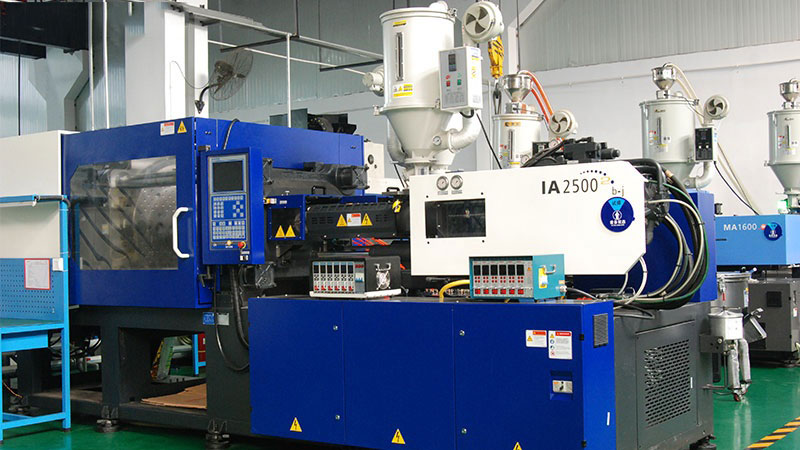
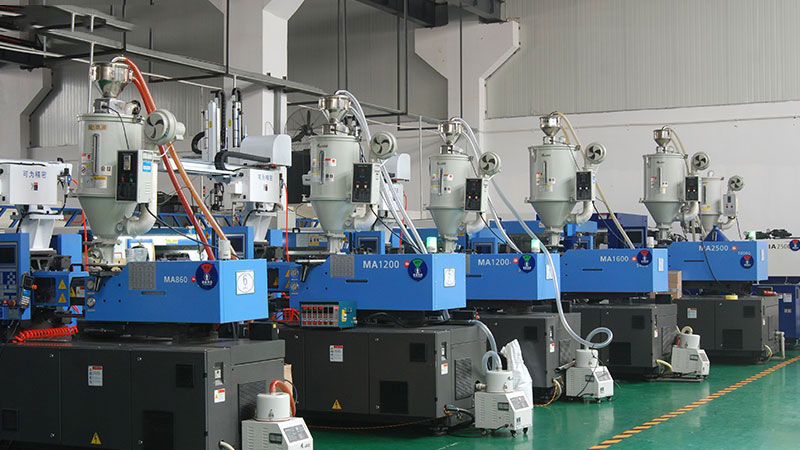
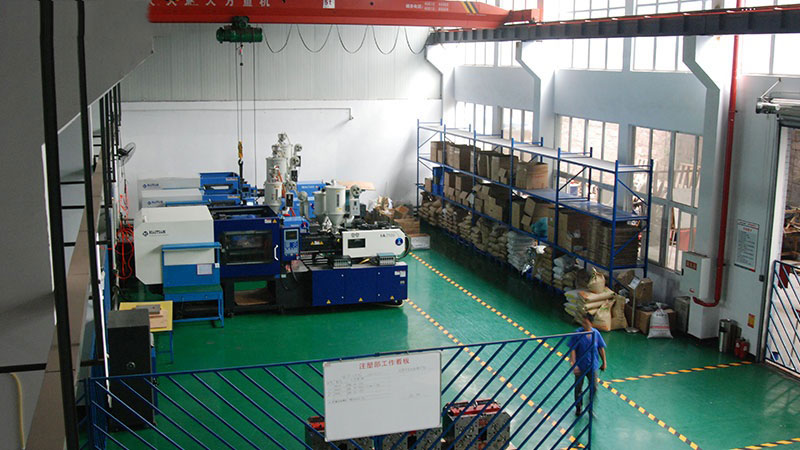
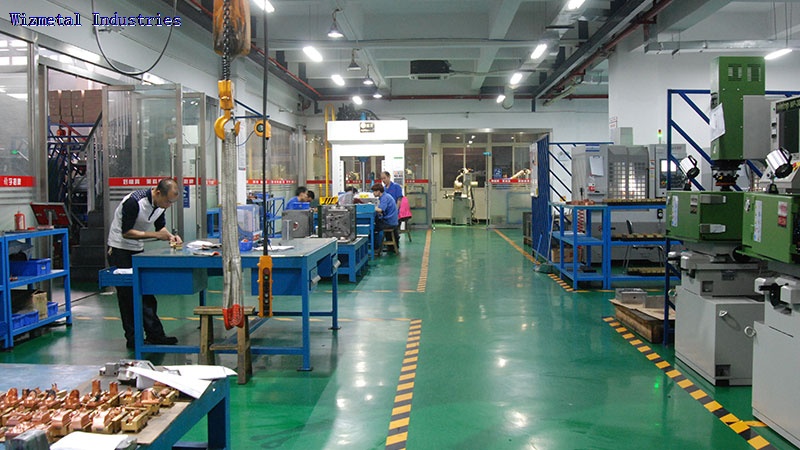
The cornerstone of a successful procurement journey is thorough supplier verification. Moving beyond simple online directories is crucial. Begin by identifying potential China mold factories with a proven track record in your specific industry, whether automotive, medical, consumer electronics, or packaging. Scrutinize their digital presence: a professional website with detailed case studies, technical blogs, and clear organizational structure is a positive indicator. However, verification must go deeper. Request a virtual factory tour to inspect shop floor organization, machinery brands (e.g., DMG Mori, Makino, Sodick), and cleanliness. Insist on speaking directly with the project manager and lead engineer who will handle your account, assessing their technical English and problem-solving approach. Crucially, ask for and contact 2-3 past international clients for unbiased references regarding communication, adherence to schedule, and post-sales support. This due diligence phase filters out trading companies and underperforming workshops, aligning you with partners capable of delivering a high quality mold.
Once a qualified supplier is shortlisted, the focus shifts to precision in technical communication and design for manufacturability (DFM). Assuming your 3D design is final can lead to costly revisions. A professional China mold factory will conduct a formal DFM analysis. This collaborative review should address critical factors such as gate location to minimize weld lines, appropriate draft angles for ejection, cooling channel optimization for cycle time, and material selection for both the mold steel (e.g., P20, H13, S136) and the final part resin. Ensure all agreements are documented in a comprehensive Technical Specification Sheet. This living document must include every detail: mold base standards (DME, HASCO, or LKM), steel grade certifications, surface finish requirements (SPI standards), tolerance levels, cavity pressure sensor locations, and hot runner system brand (if applicable). Clear, documented specifications prevent misunderstandings and form the objective basis for all subsequent quality control.
Proactive and staged quality control is non-negotiable for ensuring the output matches the design intent. Do not wait until the final shipment to inspect the mold. Implement a milestone-based inspection protocol. Key stages should include a review of the mold flow analysis report, inspection of the finished mold core and cavity (often using CMM reports), and most importantly, a First Article Inspection (FAI) during the initial trial run (T1) at the factory. For this, you or a trusted third-party inspection agency should witness the trial, capturing data on part dimensions (against the provided GD&T drawings), material performance, and cycle time. Document this process with high-resolution photos and videos of the molding process, the ejected parts, and the mold itself. This staged approach allows for corrections at the point of failure, minimizing risk and ensuring the final product delivered is a true high quality mold, ready for production.
The final phase of procurement encompasses logistics, intellectual property protection, and building a partnership. Prior to shipment, clarify incoterms (EXW, FOB, CIF) and responsibilities for mold certification, fumigation, and customs documentation. For IP protection, a well-drafted Non-Disclosure Agreement (NDA) and Product Development Agreement (PDA) are essential. These should be reviewed by legal counsel familiar with international trade. Consider registering your design in China where practical. Finally, view this transaction as the foundation of a long-term partnership. A reliable China mold factory is an extension of your engineering team, offering invaluable support for future design iterations, maintenance, and spare parts. Establishing clear communication channels and fair contractual terms fosters mutual trust and turns a one-time procurement into a sustained competitive advantage.
Successfully importing an injection mold from China in 2026 requires a methodical, informed approach that prioritizes verification, clear communication, and rigorous quality control. By treating the supplier selection process as a strategic partnership evaluation and embedding quality checks at every stage of development, you mitigate the inherent risks of overseas procurement. The result is not merely a cost-saving, but the acquisition of a precision tool that drives your product’s quality and manufacturing efficiency for years to come. Embrace this structured guide as your roadmap to transforming the vast potential of Chinese manufacturing into tangible, reliable, and superior results for your business.
Work With Us
As a professional China mold manufacturer, we provide one-stop mold solution for overseas buyers.
📞 Phone: +86-18605944639
💬 WhatsApp: +8618605944639
🌐 Website: bestmoldworks.com
📧 Email: [email protected]