For overseas buyers, importing molds from China remains a strategic decision to balance cost, capability, and speed to market. However, the landscape is evolving rapidly. The conversation has shifted from merely finding the cheapest option to identifying technically proficient, reliable, and communicative partners. This 2026 professional buying guide is designed to cut through the noise and provide you with actionable, contemporary strategies for engaging with Chinese mold manufacturers. We will move beyond basic directories and address the real challenges of supplier verification, technical alignment, and end-to-end quality control to ensure your procurement journey is a success.
Mastering the Modern Supplier Discovery and Verification Process
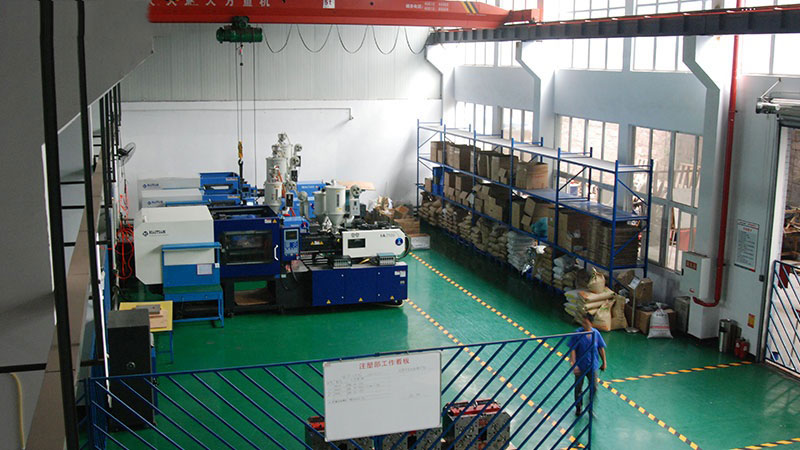
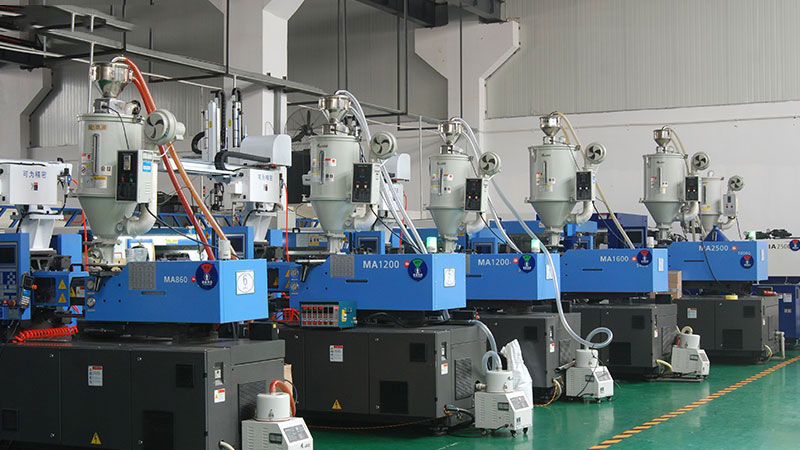
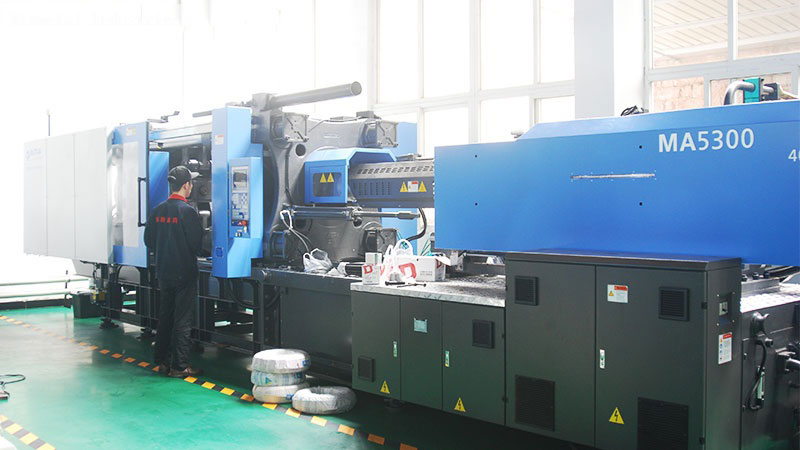
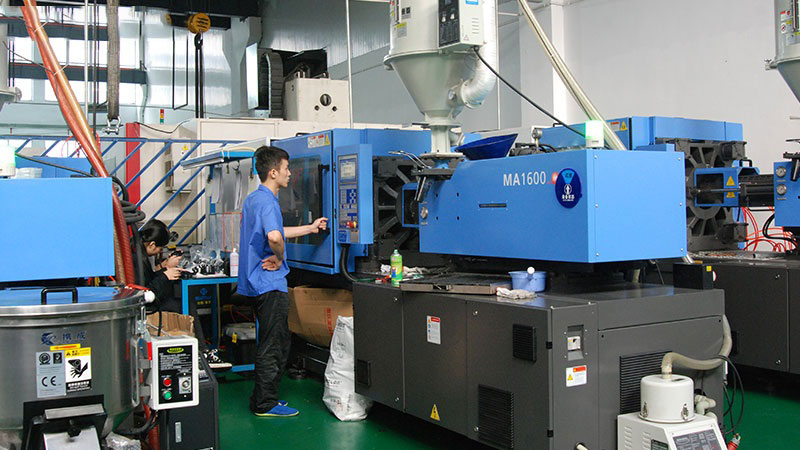
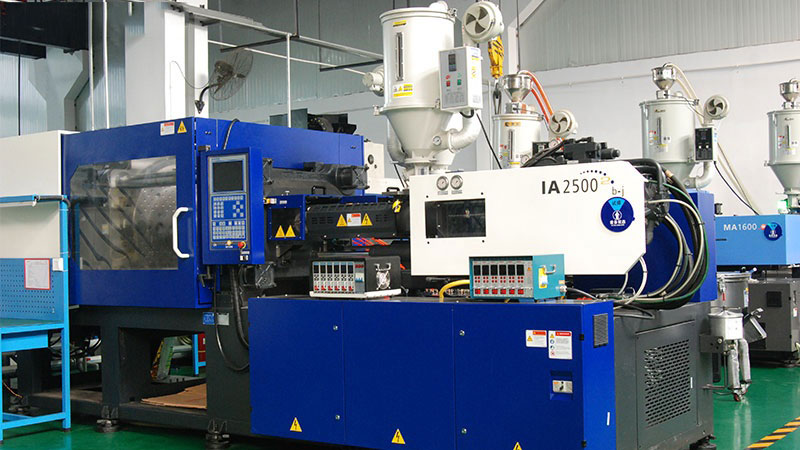
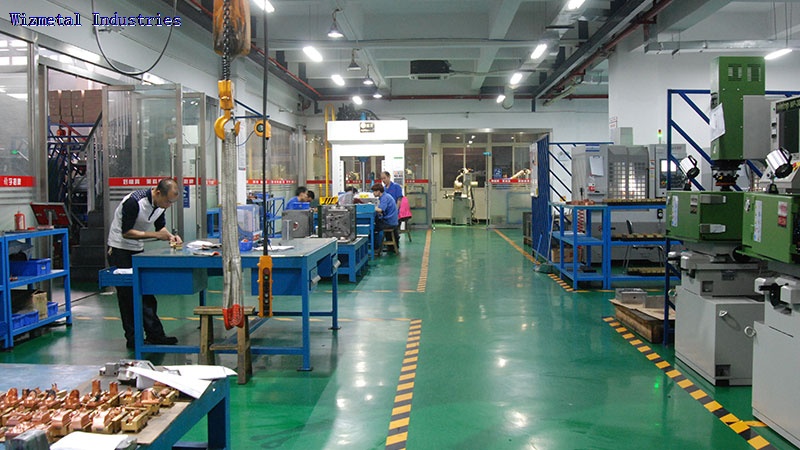
The initial search phase is critical. In 2026, simply browsing Alibaba is insufficient for serious procurement. Begin with a multi-platform approach: utilize specialized industrial platforms like Made-in-China.com or Global Sources for a broader base, but complement this with targeted searches on professional networks like LinkedIn to identify key engineers and sales directors. The most effective method remains peer referrals within your industry network. Once you have a shortlist, verification is non-negotiable. Go beyond business licenses. Request a virtual factory tour via video call to assess shop floor organization, machinery brands (e.g., DMG Mori, Sodick, Haitian), and 5S implementation. Ask for detailed case studies of molds similar in complexity, material, and volume to your project. Crucially, verify their export experience by asking for references from existing overseas clients in your region. This due diligence separates marketing from capability.
Ensuring Technical Alignment and Transparent Communication
Misalignment on technical specifications is the primary cause of project failure. Before requesting a quote, invest time in a comprehensive, clean Technical Data Sheet (TDS). This should include part 3D files (STEP or IGES), material specifications, expected annual volumes, cavitation requirements, surface finish standards (SPI, VDI), tolerance levels, and details on the intended molding machine. Present this TDS uniformly to all potential China mold factory candidates. During discussions, probe their design-for-manufacturability (DFM) process. A competent supplier will not just quote on your drawings; they will provide a formal DFM report highlighting potential issues like undercuts, wall thickness, or gate locations. Establish a single point of contact who is technically fluent in English and agree on a communication protocol (e.g., weekly update reports, preferred tools like Zoom or WeChat Work). Clarify who will manage project coordination and be available across your time zone.
Implementing a Robust Quality Control Framework from Design to Sampling
Quality cannot be inspected into a mold; it must be built in through a managed process. Your agreement with the injection mold supplier must define clear Quality Control (QC) milestones and deliverables. Key stages include: a design review sign-off, material certification for mold base and steel, first article inspection (FAI) of critical components like cavities and cores, and a pre-shipment trial run. For critical components, insist on witnessing the mold trial personally or via a live-streamed session. The gold standard is receiving a fully documented sample along with a detailed trial report (including process parameters, part measurements, and pictures). For high-value or high-volume projects, engaging a local third-party quality inspection firm for in-process checks is a wise investment. They can verify hardness tests, inspect finishing, and attend the factory acceptance test on your behalf, providing an objective layer of oversight.
Navigating Logistics, IP Protection, and Post-Sales Support
The transaction extends beyond the factory gate. Clearly define Incoterms 2020 in your contract—FOB Shanghai is common, but understand the responsibilities it entails. Discuss packaging requirements explicitly; molds require robust, moisture-resistant crating. Ensure the supplier provides a complete commercial invoice, packing list, and bill of lading for smooth customs clearance in your country. Intellectual Property (IP) protection is a valid concern. While a well-drafted Non-Disclosure Agreement (NDA) and contract with jurisdiction clauses are essential, the most practical protection is working with established manufacturers who value long-term relationships over short-term gains. Their reputation is their bond. Finally, do not neglect post-sales support. Confirm the warranty period (typically 12-18 months), the scope of coverage, and the process for handling wear or damage. A reliable partner will provide spare part lists and be available for technical consultation during the mold’s lifecycle.
Conclusion
Successfully importing molds from China in 2026 demands a professional, process-oriented approach. It is a partnership built on verified capability, precise communication, and managed quality control, not just a transaction. By applying this guide’s framework—from rigorous supplier verification and technical alignment to structured QC and clear contractual terms—you significantly de-risk your procurement process. The goal is to transform your selected Chinese mold manufacturers from distant vendors into seamless extensions of your production team. With the right due diligence and partnership mindset, you can leverage China’s manufacturing depth to gain a formidable competitive advantage in your market.
Work With Us
As a professional China mold manufacturer, we provide one-stop mold solution for overseas buyers.
📞 Phone: +86-18605944639
💬 WhatsApp: +8618605944639
🌐 Website: bestmoldworks.com
📧 Email: [email protected]