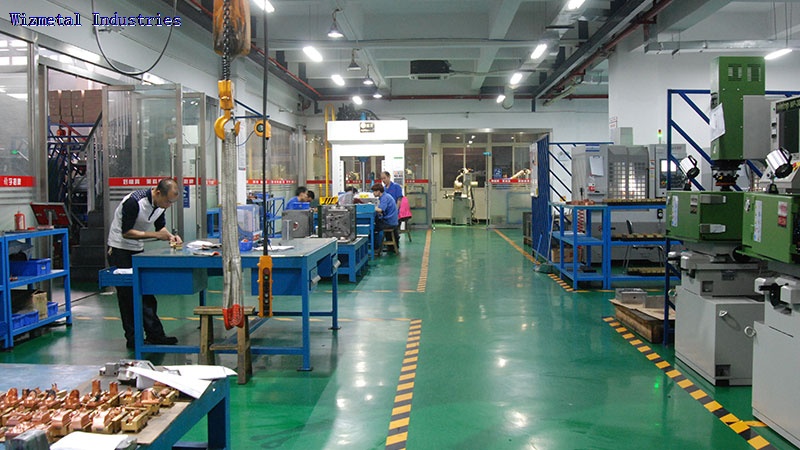
For global businesses, from ambitious startups to established OEMs, sourcing tooling from China remains a strategic move to balance cost, capability, and speed to market. The landscape of mold manufacturers in China is vast and varied, offering unparalleled advantages but also presenting unique challenges in navigation and verification. This guide cuts through the noise, providing a professional, actionable framework for overseas buyers to successfully procure high-quality molds in 2026. We will move beyond simple directory listings to focus on practical strategies for supplier validation, communication, and quality assurance, ensuring your project’s success from drawing to delivery.
Mastering Supplier Discovery and Verification
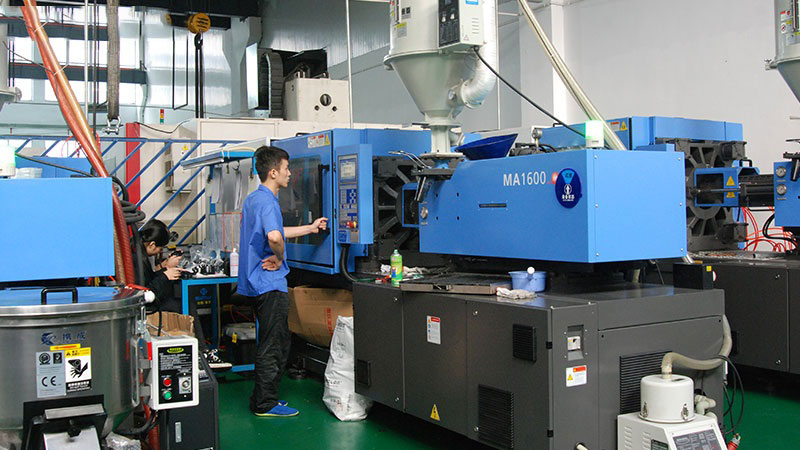
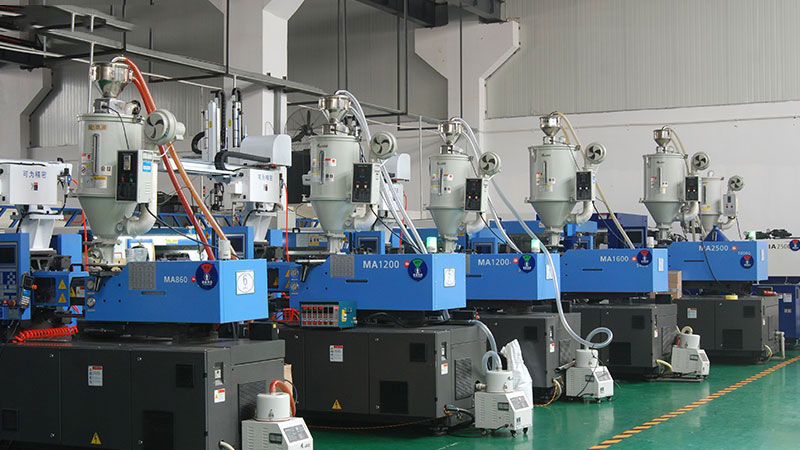
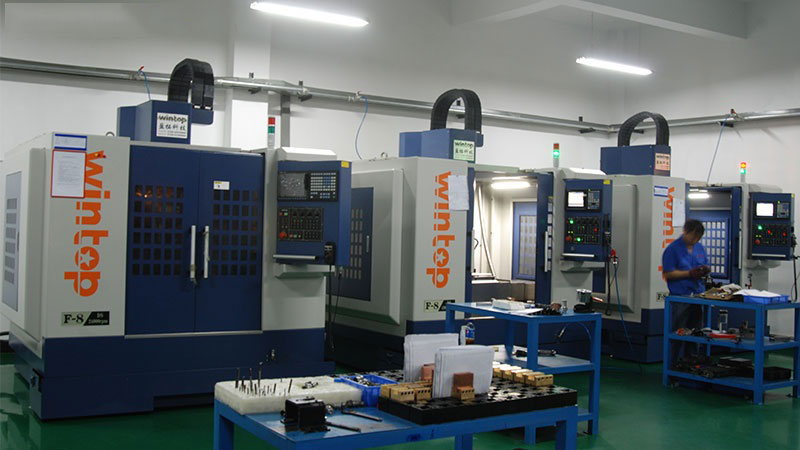
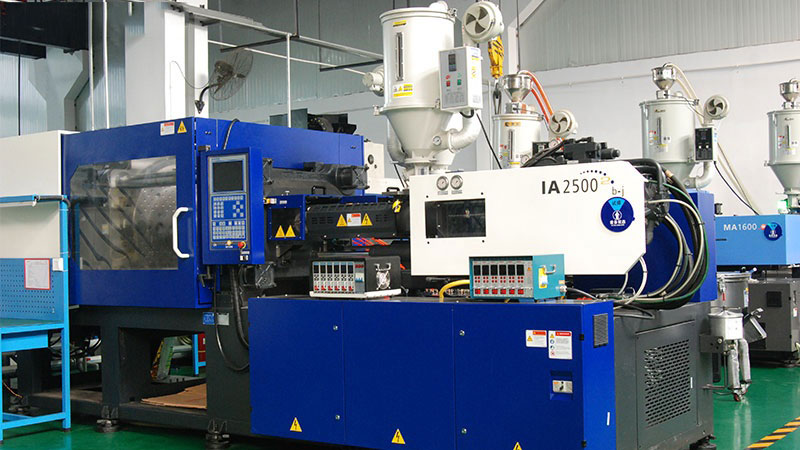
The initial search for a China mold factory requires a shift from a simple price hunt to a capability assessment. Begin by leveraging B2B platforms like Alibaba and Made-in-China, but use them as discovery tools, not decision-makers. Filter for suppliers with verified transaction records and, crucially, those who actively showcase engineering case studies, not just product photos. Your core due diligence, however, must happen off-platform. Request a detailed company profile including factory location, list of core machinery (e.g., CNC, EDM, CMM), and years in operation. Insist on a video conference and a real-time virtual factory tour. This step is non-negotiable; it verifies existence, scale, and technological competency. Furthermore, check for relevant industry certifications. While ISO 9001 is common, certifications specific to your target market—such as for automotive (IATF 16949) or medical molds—are stronger indicators of a disciplined process. This rigorous verification separates marketing entities from genuine, capable mold manufacturers in china.
Engineering Communication and DFM Collaboration
A successful mold procurement project is founded on flawless communication. The most critical phase is the Design for Manufacturability (DFM) review. A reputable supplier will not simply quote on your provided 3D file; they will proactively return a detailed DFM report. This document should highlight potential issues like undercuts, wall thickness inconsistencies, gate locations, ejection strategies, and suggestions for simplifying the mold structure to reduce cost and improve longevity. Evaluate their engineering prowess here. Are their suggestions logical and cost-effective? Do they ask intelligent questions about part function, volume, and material? Clear communication channels must be established—designate a single point of contact on both sides who is technically fluent. Using detailed 2D drawings with GD&T alongside 3D files minimizes ambiguity. Remember, the goal is to partner with a factory that acts as an engineering collaborator, not just a passive order-taker.
Navigating Quotations and Contract Clarity
A professional quotation is a blueprint of the supplier’s understanding. Beware of suspiciously low bids; they often signal corner-cutting on steel grade, component quality, or engineering time. A comprehensive quote should be itemized, specifying: mold base standard (LKM, HASCO, DME), core and cavity steel material and hardness (e.g., 718H, S136), details of all included components (hot runner system brand, number of cavities, lifters, sliders), surface finish requirements, and a clear payment schedule tied to milestones. Crucially, define the scope of work explicitly. Does the price include sampling? How many trial shots? Are sample corrections included? What about mold maintenance and spare parts? The contract should encapsulate all technical specifications, delivery timeline with penalties for significant delays, IP protection clauses, and terms for handling non-conforming tooling. This document is your primary safeguard, ensuring both parties share identical expectations.
Implementing Stage-Gate Quality Control
Proactive quality control is the most effective strategy to avoid costly surprises upon delivery. For high-value or high-volume injection mold projects, implement a stage-gate inspection process. Key inspection points typically include: 1) **Steel Material Inspection:** Verify material certificates upon steel purchase. 2) **First Article Inspection (FAI):** After the core and cavity are machined but before heat treatment, check critical dimensions. 3) **Trial Run Sample Approval:** This is the most critical gate. Either dispatch your quality representative to the factory or use a reliable third-party inspection service. They should witness the trial run, check part dimensions against the CAD model and drawings, and evaluate part appearance. A formal Sample Approval Report should be signed before the mold is finalized. This phased approach allows for corrections at each stage, preventing major rework at the final hour and ensuring the final tool meets all specifications.
Logistics, After-Sales, and Long-Term Partnership
Finalizing the mold is only part of the journey. Discuss logistics early—will the supplier handle export formalities (FOB terms are standard)? Ensure proper mold packaging in a wooden crate to prevent transit damage. For the first production run, consider having a technician from the China mold factory present at your molding facility to assist with commissioning; many reputable suppliers offer this. Establish clear after-sales support terms. What is the warranty period? How are breakdowns or wear-and-tear issues handled? Will they provide the 2D drawings for future spare part machining? Building a successful relationship with a reliable partner transforms a transactional procurement into a strategic asset. Consistent communication, fair dealings, and clear feedback foster trust, often leading to priority service, better pricing on future projects, and a true extension of your manufacturing capabilities.
Conclusion
Importing molds from China in 2026 demands a blend of diligent research, technical collaboration, and structured process control. The competitive advantage is substantial, but it is captured by buyers who move beyond price as the sole criterion. By meticulously verifying suppliers, engaging deeply in the DFM process, structuring clear contracts, enforcing staged quality checks, and planning for the full tool lifecycle, you can mitigate risks and unlock the world-class engineering and manufacturing prowess that leading Chinese mold factories offer. This disciplined approach transforms the complex global supply chain into a reliable, high-performance engine for your product development and manufacturing success.
Work With Us
As a professional China mold manufacturer, we provide one-stop mold solution for overseas buyers.
📞 Phone: +86-18605944639
💬 WhatsApp: +8618605944639
🌐 Website: bestmoldworks.com
📧 Email: [email protected]