For overseas businesses, partnering with mould manufacturers in China represents a significant strategic advantage, offering unparalleled expertise, scalability, and cost efficiency. However, navigating this complex landscape can be daunting. This guide cuts through the noise to provide a clear, actionable roadmap for your procurement journey in 2026, focusing on practical steps to mitigate risk and secure a reliable, high-quality supply chain.
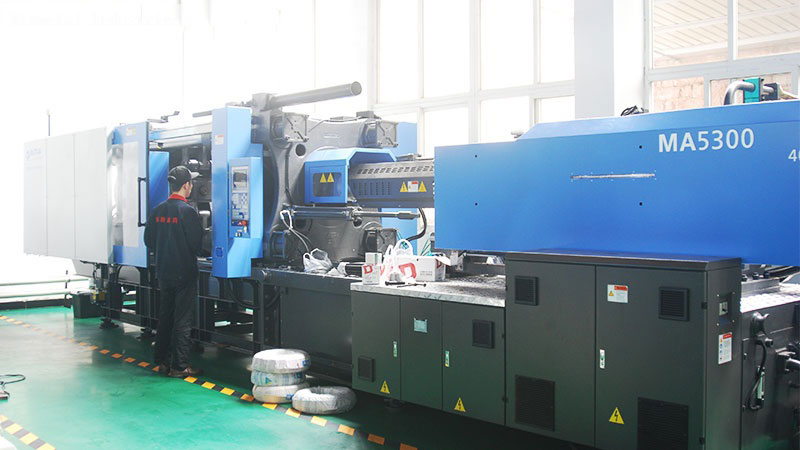
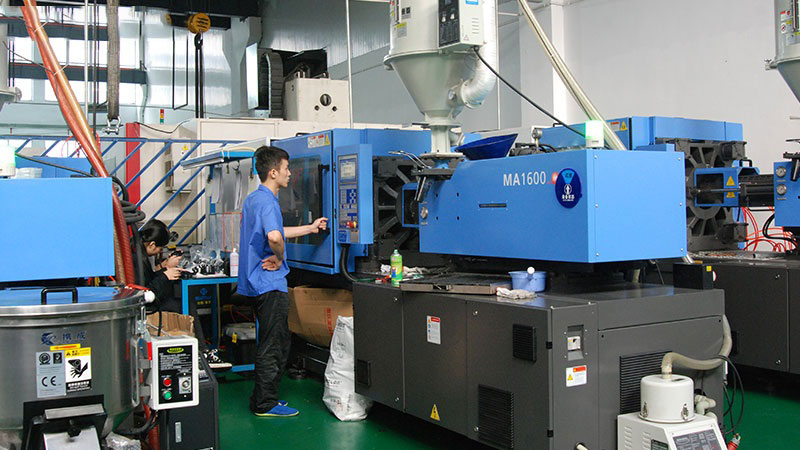
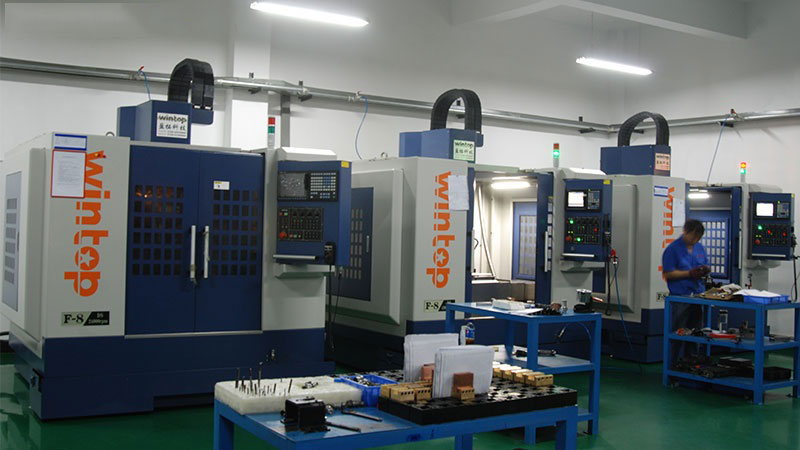
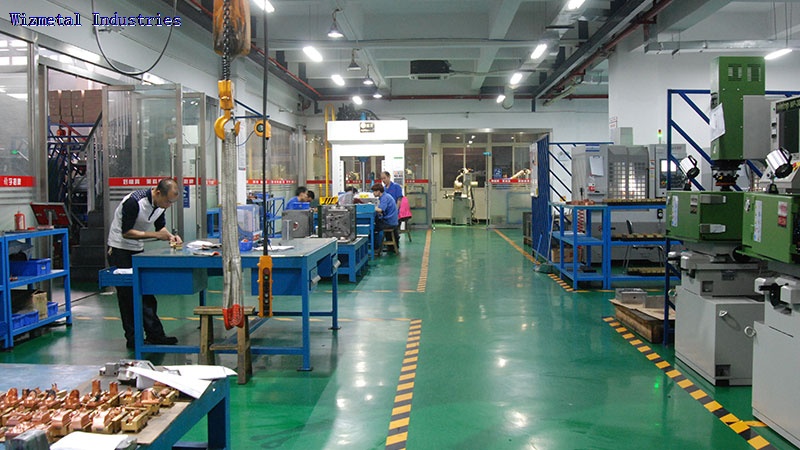
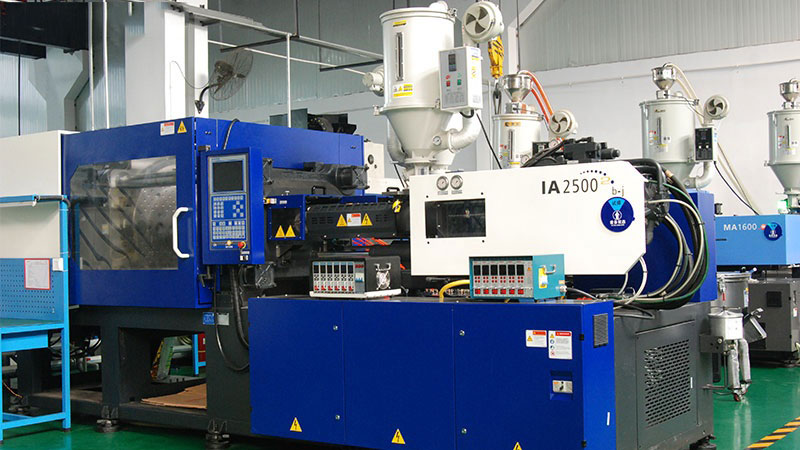
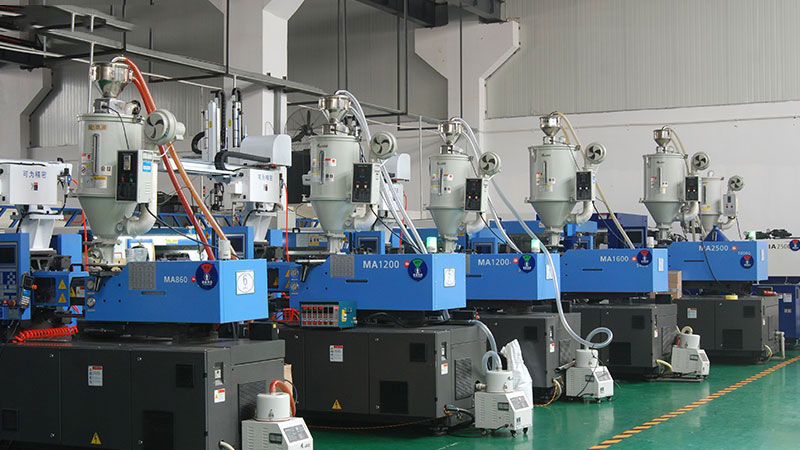
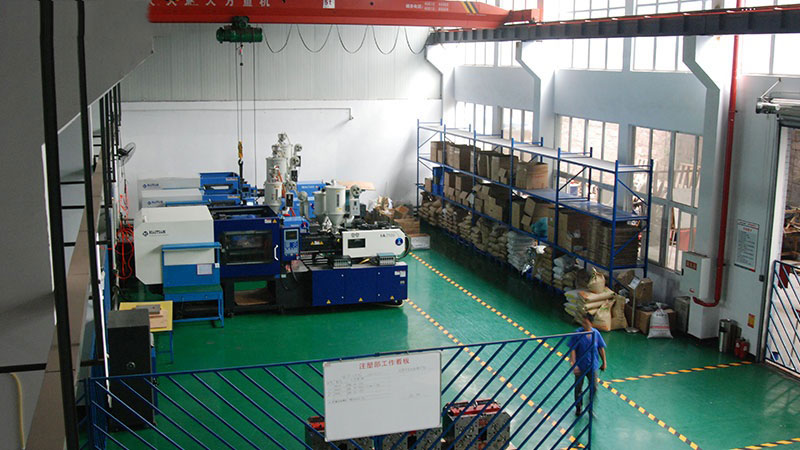
The cornerstone of successful procurement is thorough supplier verification. In 2026, due diligence goes beyond a simple website check. Start by verifying the China mold factory’s business license via official Chinese platforms. Request a detailed company profile outlining their years in operation, core competencies (e.g., precision injection mold for medical devices, large automotive molds), and client portfolio. Insist on a virtual or recorded factory tour; a reputable supplier will readily showcase their workshop, machinery (look for CNC, EDM, and CMMS equipment), and assembly areas. Crucially, contact past international clients for references. Ask specific questions about communication, problem-solving, and adherence to timelines. This step alone can filter out unqualified partners and highlight manufacturers with proven export experience.
Once a shortlist is established, mastering the technical and commercial discussion is critical. Begin with a comprehensive RFQ (Request for Quotation). Provide not just a 3D model (STEP or IGS format is standard), but also a detailed specification document. This should include material grade (e.g., P20, H13 steel for the injection mold), cavity requirements, expected lifespan, tolerances, surface finish (SPI standards), and part volume projections. For complex projects, consider a paid feasibility study. When reviewing quotes, scrutinize the breakdown: material cost, labor, machining hours, and profit margin. Be wary of quotes that are suspiciously low; they often signal corner-cutting on steel quality or heat treatment. Clearly define payment terms—a common and balanced structure is 40-50% deposit, 40-50% before shipment, and 10% after sample approval. Always use secure payment methods like Letter of Credit (L/C) or escrow services for large orders.
Implementing a robust quality control protocol from the start is non-negotiable. Your agreement must specify quality checkpoints. For most buyers, this includes a First Article Inspection (FAI) after the mold trial. Require a Data Report with CMM measurements comparing the trial shot parts against your CAD drawings. For higher assurance, engage a trusted third-party quality inspection firm in China to conduct audits during critical stages: after mold completion (pre-trial) and during mass production if you are sourcing parts. They will check mold hardness, cavity dimensions, polish, and functionality. Discuss and agree upon an acceptable sample approval process. How many trial shots are included? Who pays for material during trials? Defining these details prevents disputes and ensures the final tool meets your specifications before it leaves the factory.
Effective project management and clear contractual safeguards are what separate successful imports from costly failures. Assign a single point of contact on both sides and establish regular update schedules via video calls. Use project management tools to track milestones: design review, material procurement, base machining, cavity finishing, assembly, and trial. Your contract must be detailed and in English. Key clauses should cover intellectual property (IP) ownership, guaranteeing that your design remains your property. Include penalties for delays and a warranty period for the mold (typically 12-24 months), covering repair or replacement for workmanship defects. Finally, plan logistics early. Decide between FOB (you handle shipping) or EXW, and engage a freight forwarder experienced in handling heavy machinery to manage customs clearance, ensuring your mold arrives smoothly at your destination.
The landscape for sourcing from mould manufacturers in china is constantly evolving. In 2026, leading factories are investing in smart manufacturing and sustainability. While not every buyer needs these advanced capabilities, understanding trends like IoT-enabled mold monitoring for predictive maintenance or the use of certified green materials can be a differentiator for future-proof projects. The most successful partnerships are built on a foundation of clarity, verification, and proactive communication.
Ultimately, importing molds from China is a highly rewarding venture when approached with diligence and strategic planning. By meticulously verifying your China mold factory, specifying requirements with precision, enforcing rigorous quality control, and managing the project with clear contracts, you transform potential challenges into a competitive edge. The expertise and value offered by professional mould manufacturers in china are accessible to every overseas buyer who follows this structured path, paving the way for a successful and profitable partnership in 2026 and beyond.
Work With Us
As a professional China mold manufacturer, we provide one-stop mold solution for overseas buyers.
📞 Phone: +86-18605944639
💬 WhatsApp: +8618605944639
🌐 Website: bestmoldworks.com
📧 Email: [email protected]