For overseas buyers, sourcing custom injection molded parts represents a significant opportunity to achieve cost efficiency, rapid prototyping, and scalable production. China remains the global epicenter for mold manufacturing and injection molding services, offering unparalleled expertise and competitive pricing. However, navigating this complex landscape requires a strategic, informed approach to mitigate risks and ensure a successful partnership. This 2026 professional buying guide is designed to provide you with actionable, up-to-date strategies for procuring high-quality custom injection molded parts from China, transforming a daunting process into a streamlined and reliable supply chain operation.
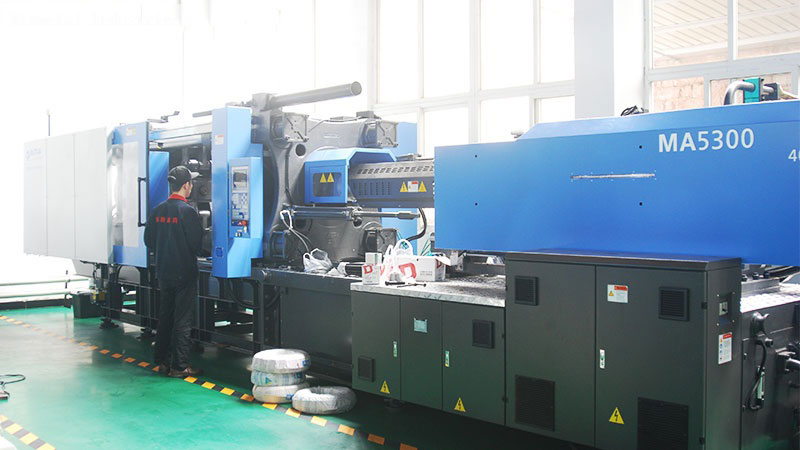
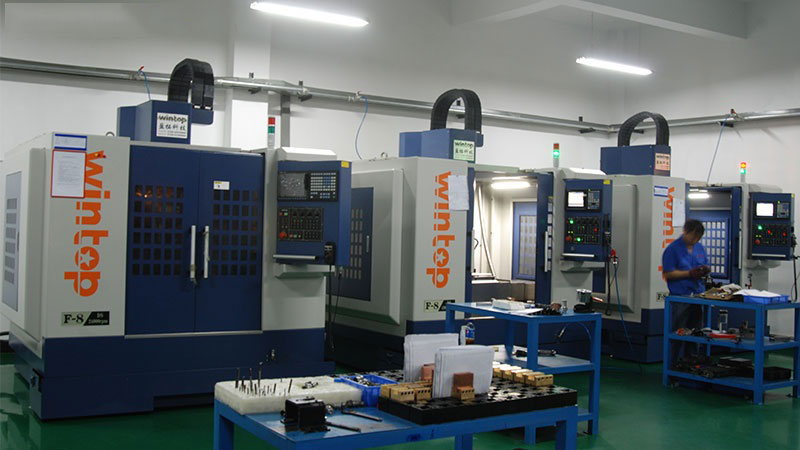
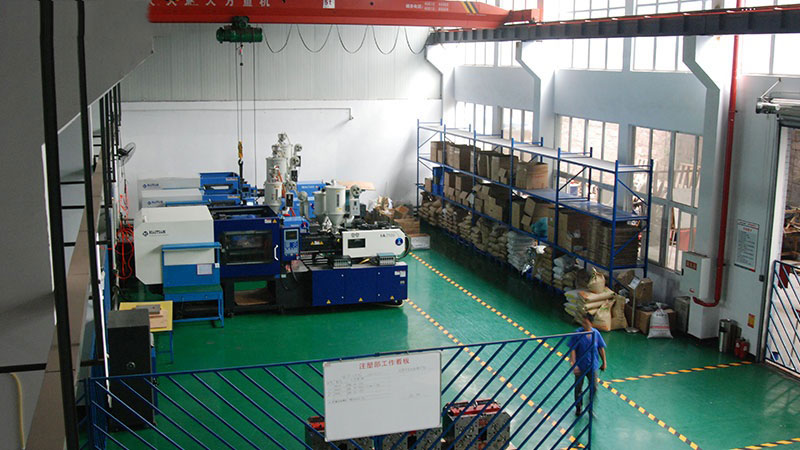
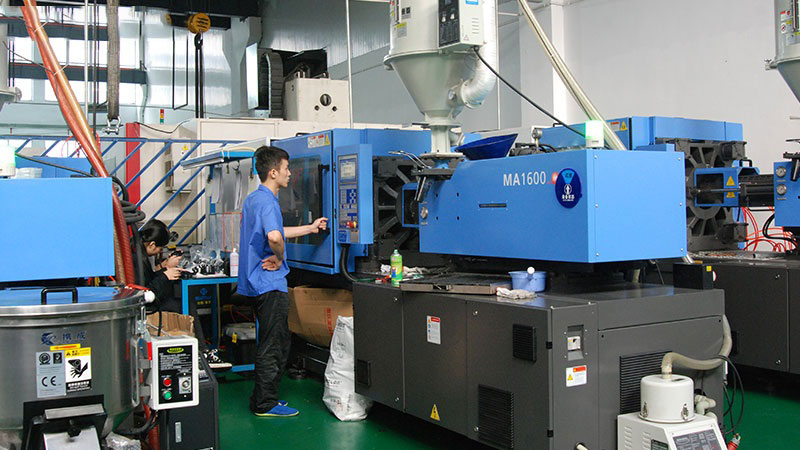
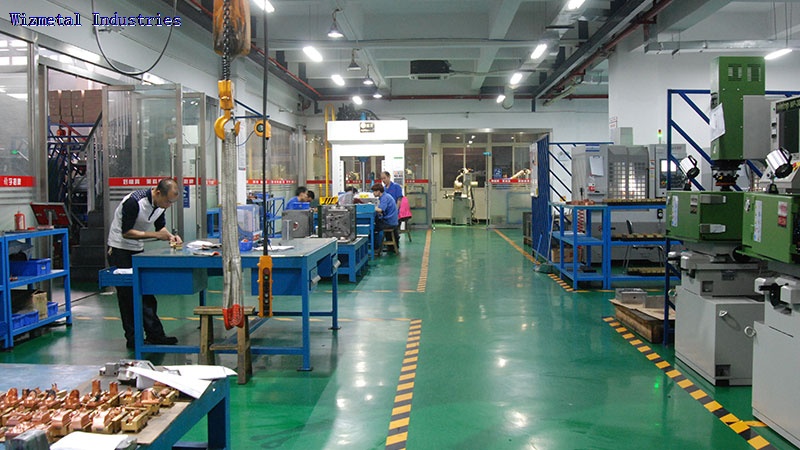
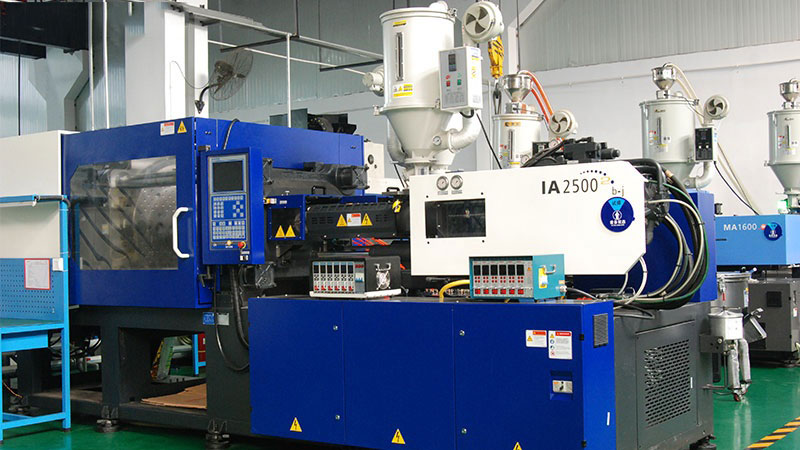
The foundation of any successful import project lies in meticulous supplier verification. Moving beyond simple online directories, a professional procurement strategy in 2026 demands deeper due diligence. Begin by verifying the China mold factory’s business license and export credentials. Prioritize suppliers with proven experience in your specific industry, whether automotive, medical, consumer electronics, or packaging. Request and scrutinize detailed case studies, and insist on video facility tours to assess their workshop organization, machinery (look for modern electric injection molding machines for precision), and in-house capabilities. Crucially, communicate directly with their engineering team early on to evaluate their technical communication skills and problem-solving approach. This step filters out trading companies and aligns you with competent manufacturers from the outset.
Once a potential partner is identified, the focus shifts to the technical and commercial blueprint of your project: the Request for Quotation and design for manufacturability process. Providing a comprehensive RFQ is non-negotiable. Include not just part drawings in a universal format like STEP or IGES, but also clear material specifications, annual volume projections, cosmetic requirements, and critical-to-quality dimensions. A professional China mold factory will respond with a detailed quotation that breaks down costs for the injection mold tooling and the piece price for the molded parts. Use this stage to engage in a DFM review. Encourage their engineers to suggest design modifications that enhance moldability, reduce cycle time, and improve part strength. This collaborative engineering phase is where significant long-term cost savings and quality are built in, preventing expensive mold revisions later.
The creation of the injection mold itself is the most capital-intensive and critical phase. Implementing a structured quality control protocol during mold manufacturing is what separates professional buyers from the rest. Demand a documented milestone schedule with key inspection points. The First Article Inspection report, supported by full-dimensional results from a Coordinate Measuring Machine, is essential. For complex molds, insist on witnessing the mold trial either in person or via a live-streamed session. This allows you to approve the actual sample parts from the production-intent mold before authorizing mass production. Do not release the final mold payment until you have validated these samples against all your specifications. This proactive oversight ensures the tool is built to standard and capable of producing the custom injection molded parts you require.
Securing a perfect mold does not guarantee consistent part quality throughout production. Your quality control framework must extend to ongoing manufacturing batches. Define acceptable quality limits and statistical process control parameters with your supplier. For higher-volume or critical parts, engage a reputable third-party quality inspection service in China to conduct pre-shipment inspections. These inspectors will check for defects, measure critical dimensions, and perform functional tests on a statistically significant sample from your production run. Furthermore, a clear quality agreement should outline responsibilities for non-conforming parts, including replacement costs and logistics. This end-to-end vigilance protects your brand and ensures that every shipment of custom injection molded parts meets the agreed standard.
Finally, a professional procurement strategy encompasses the entire logistical and legal framework. Understand the Incoterms 2020 thoroughly; FOB Shenzhen is common, but you may consider EXW or CIF depending on your logistics control. Ensure all shipping documents, including a detailed commercial invoice, packing list, and certificate of origin, are accurate to prevent customs delays. Protect your intellectual property with a robust Non-Disclosure Agreement and consider registering your design patents in China. Building a relationship with your supplier is also key; treat them as a strategic partner rather than just a vendor. Regular communication, fair negotiations, and planned visits can foster loyalty and lead to better service and priority treatment.
In conclusion, importing molds and custom injection molded parts from China in 2026 is a highly viable strategy for businesses seeking competitive advantage. The process, however, demands a professional, detail-oriented methodology centered on rigorous supplier verification, collaborative design engineering, stringent quality control during mold making and production, and solid legal and logistical planning. By following this structured guide, overseas buyers can confidently navigate the complexities of the Chinese manufacturing landscape. The goal is to establish a transparent, reliable partnership with a China mold factory that delivers not just cost savings, but consistent quality, innovation, and value, turning your procurement into a cornerstone of your product’s success.
Work With Us
As a professional China mold manufacturer, we provide one-stop mold solution for overseas buyers.
📞 Phone: +86-18605944639
💬 WhatsApp: +8618605944639
🌐 Website: bestmoldworks.com
📧 Email: [email protected]