Importing plastic injection molds from China remains a strategic move for businesses worldwide seeking competitive advantage, innovation, and cost efficiency. However, navigating the vast landscape of suppliers can be daunting. The difference between a successful partnership and a costly mistake often lies in the procurement process. This guide provides actionable, professional advice for overseas buyers aiming to collaborate with a reliable China plastic mold manufacturer in 2026 and beyond. We move beyond generic advice to solve real problems you face in supplier verification, communication, and quality assurance.
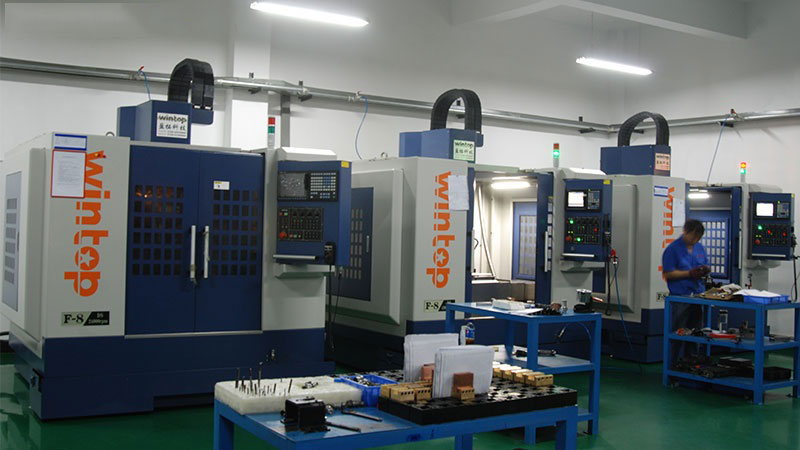
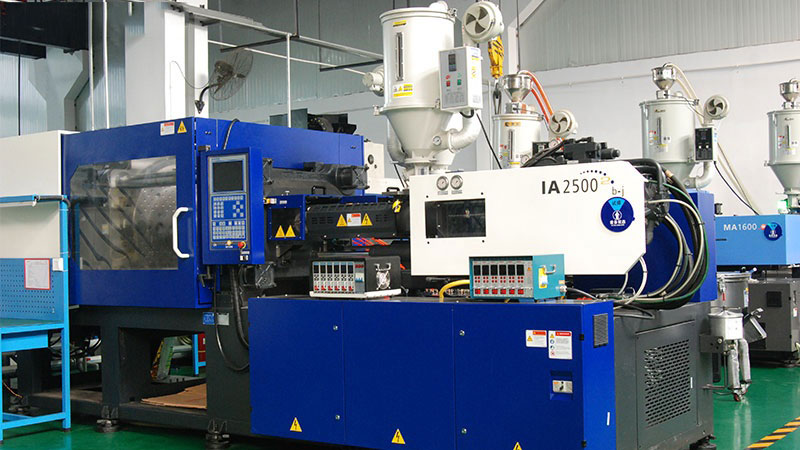
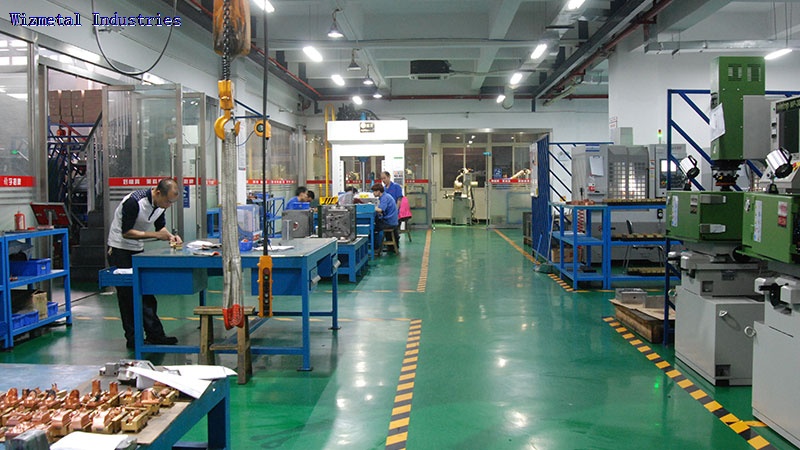
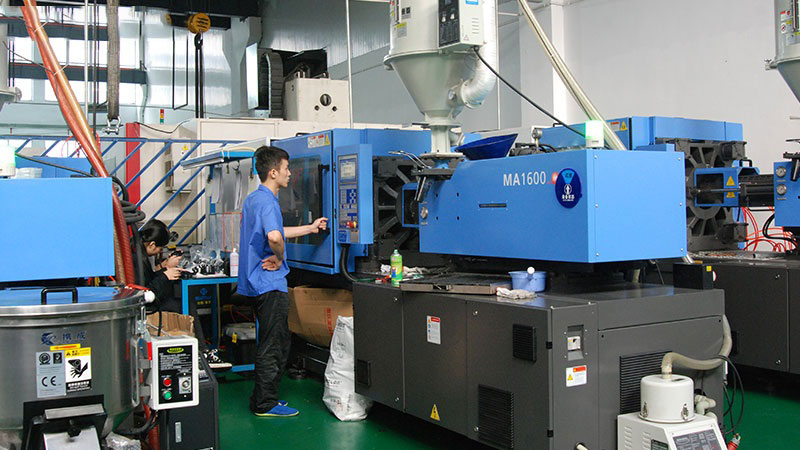
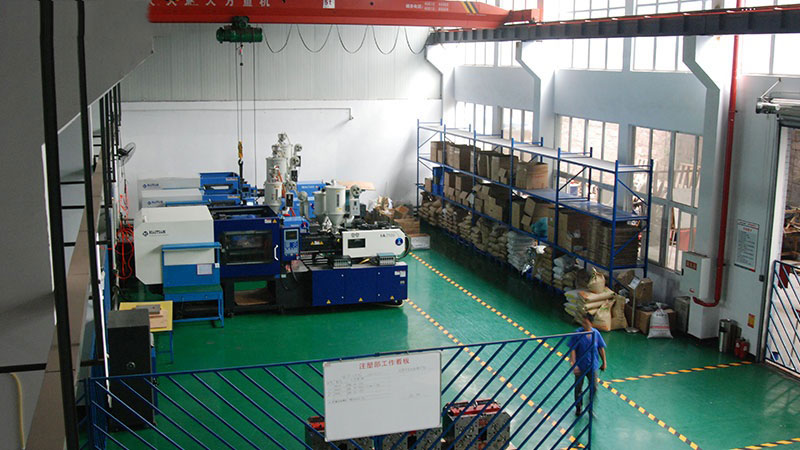
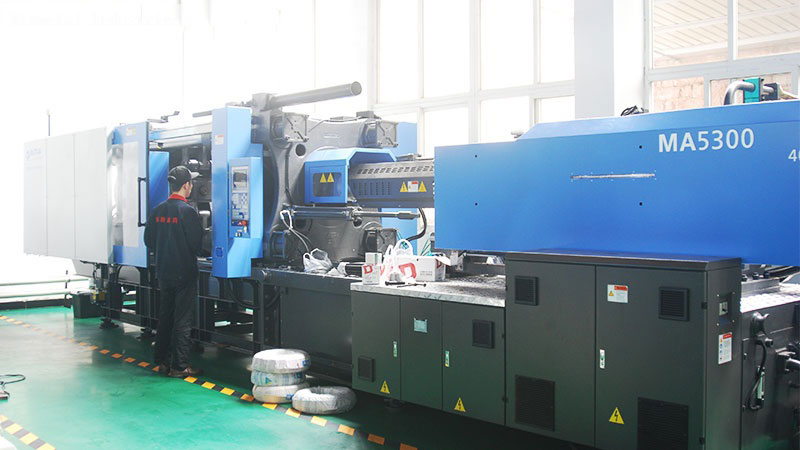
The cornerstone of a successful import project is thorough supplier verification. Not all China mold factories are created equal. Begin by moving past glossy websites and Alibaba storefronts. Request a detailed company profile including business licenses, years in operation, and client portfolio—specifically asking for examples of molds for overseas clients. A credible manufacturer should readily provide this. Next, initiate a video conference for a virtual factory tour. This is non-negotiable in 2026. Observe the workshop environment, machinery brands (e.g., Haitian, Engel, or Sodick EDMs), and in-house capabilities like CNC machining, EDM, and quality control labs. Pay close attention to their engineering team. A strong technical department is a better indicator of reliability than sales promises. This step filters out trading companies masquerading as manufacturers and ensures your potential partner has the tangible assets and expertise for your project.
Once a potential partner is identified, mastering technical communication and the DFM process is critical. Ambiguity here is the primary cause of mold defects and project delays. Provide a comprehensive RFQ package: 3D files (STEP or IGS), 2D drawings with critical dimensions and tolerances clearly marked, material specifications, expected annual volumes, and cosmetic requirements (e.g., SPI finish standards). A professional China plastic mold manufacturer will respond with a detailed Design for Manufacturability (DFM) report. Scrutinize this document. It should highlight potential issues like undercuts, wall thickness inconsistencies, gate locations, and ejection plans. Their feedback at this stage reveals their engineering prowess. Insist on using project management tools or shared platforms for all communications to keep all technical discussions, approvals, and change orders documented and traceable, mitigating future disputes.
Proactive quality control, integrated from the start, is your financial safeguard. Do not wait until the final inspection to assess quality. Implement a staged inspection protocol. Key milestones include: a first article inspection (FAI) of the mold steel and core/cavity blocks after initial machining, a T1 sample trial with full documentation (including process parameters and short shots), and a final pre-shipment audit. For critical projects, consider engaging a reputable third-party quality inspection service based in China for the T1 sample and final inspection. They can verify dimensions with CMMs, check mold flow analysis alignment, and test the mold on a press. Clearly define your acceptance criteria upfront in the contract, referencing international mold standards (like HASCO, DME, or MISUMI for base components) or your own specific requirements. This structured approach shifts quality management from a reactive to a proactive process.
Finally, understanding the total cost of ownership and building a partnership mindset are essential for long-term success. While unit price is important, the lowest quote often carries hidden risks. Evaluate the total cost, which includes mold lifespan, maintenance, lead time reliability, and the supplier’s willingness to support future modifications. Discuss post-sales support: Will they provide spare parts? Do they offer mold maintenance guidance? A trustworthy supplier will be transparent about these aspects. View your chosen China mold factory not as a one-time vendor, but as a strategic extension of your production. Building this relationship involves clear contracts covering IP protection, payment terms (e.g., 50% deposit, 40% after T1 approval, 10% before shipment), and liability clauses. Regular communication and fair dealings foster loyalty, which can be invaluable for urgent projects or continuous improvement initiatives.
Successfully importing injection molds from China in 2026 demands a disciplined, informed approach. It transcends simply finding a supplier; it’s about systematically identifying a capable manufacturing partner through rigorous verification, enforcing clear technical communication, implementing staged quality control, and fostering a collaborative relationship. By applying these expert tips and solutions, you transform the inherent complexities of overseas procurement into a streamlined, reliable channel for gaining a formidable competitive edge. The right china plastic mold manufacturer becomes a pillar of your supply chain, enabling innovation, scalability, and sustained market growth.
Work With Us
As a professional China mold manufacturer, we provide one-stop mold solution for overseas buyers.
📞 Phone: +86-18605944639
💬 WhatsApp: +8618605944639
🌐 Website: bestmoldworks.com
📧 Email: [email protected]