For global businesses, sourcing a plastic mold from China represents a significant strategic advantage, offering unparalleled cost efficiency and manufacturing scale. However, the journey from concept to receiving a high-quality, production-ready tool is fraught with potential pitfalls for the unprepared. Navigating the vast landscape of manufacturers requires a methodical, informed approach. This guide provides actionable, expert-level strategies for 2026, designed to help overseas buyers successfully partner with a reliable China mold factory and streamline their procurement process.
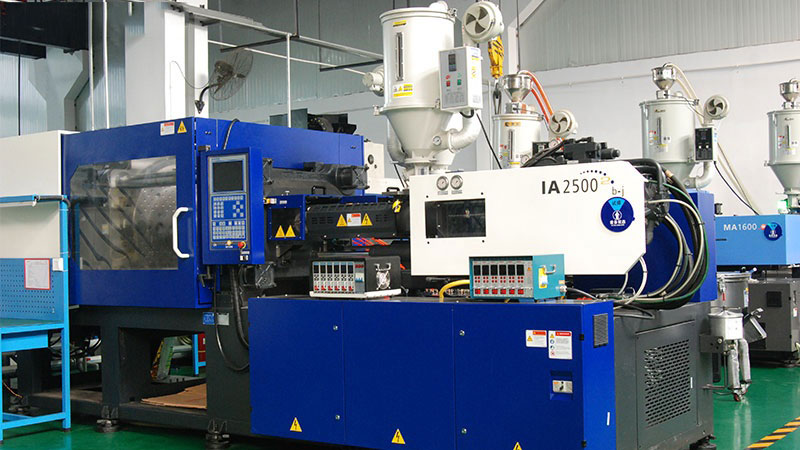
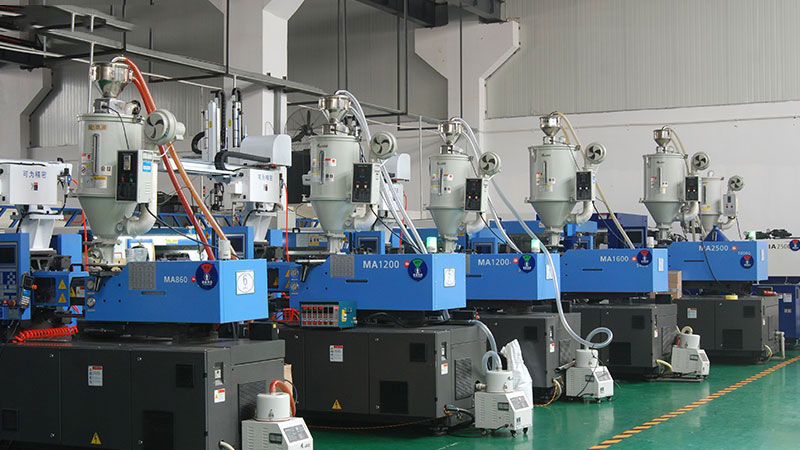
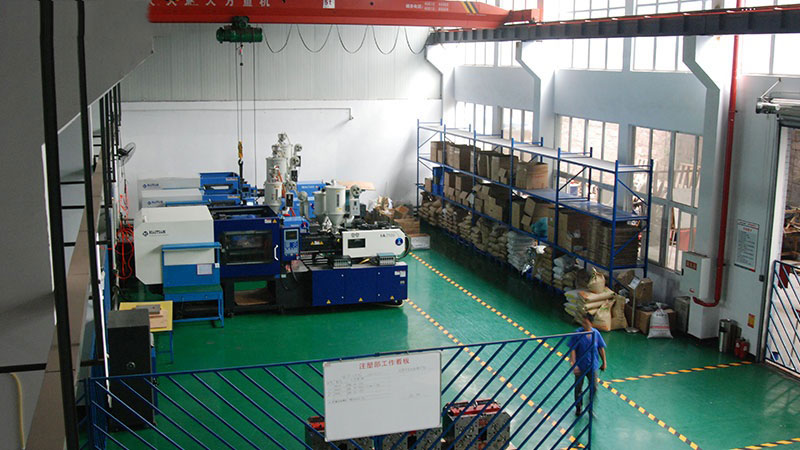
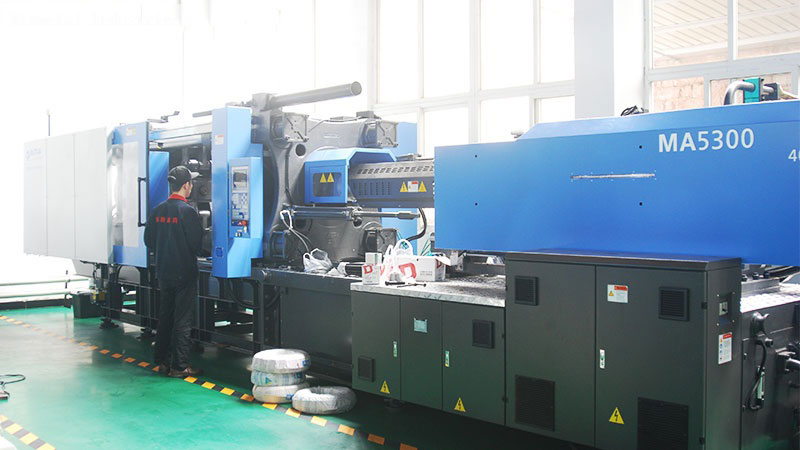
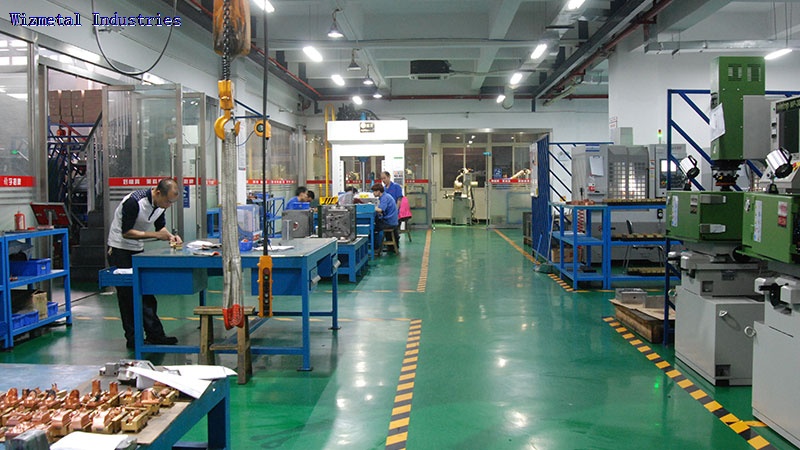
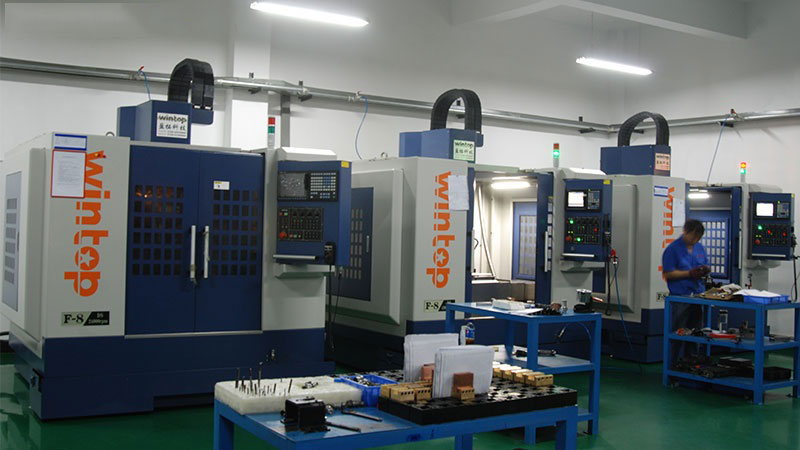
The cornerstone of a successful import project is rigorous supplier verification. Not all mold factories are created equal, and the lowest quote often carries hidden costs. Move beyond Alibaba listings and initiate direct, in-depth due diligence. Request a detailed company profile with a clear history, machinery list (note brands like DMG Mori, Sodick, or Haitian for injection molding machines), and engineering team credentials. Insist on a video conference facility tour; a reputable supplier will readily showcase their workshop, quality control stations, and ongoing projects. Crucially, ask for and contact references from past international clients, specifically those in your industry. This step filters out trading companies masquerading as factories and identifies partners with proven experience in exporting plastic mold China projects to your region.
Once a potential partner is identified, mastering the technical and commercial discussion is vital. The procurement phase is where ambiguity leads to cost overruns and delays. Provide not just a 3D file, but a comprehensive technical specification sheet. This document should detail the mold steel grade (e.g., P20, H13, S136 for corrosion resistance), surface finish requirements (SPI standards), cavity numbering, cooling line layout, expected cycle time, and part material (including brand and grade of plastic). Be explicit about all expectations: Is hot runner technology required? What is the tolerance level for critical dimensions? Will you require pre-production samples and a first-article inspection report? A professional China mold factory will review this spec sheet meticulously and provide feedback, demonstrating their engineering expertise. This collaborative clarity in the initial quotation stage prevents costly change orders later.
Proactive quality control, integrated from the start, is non-negotiable. Do not wait until the mold is finished to think about inspection. Implement a staged inspection protocol. Key milestones include a design review approval, a steel material certification check, and a critical pre-assembly inspection. For this, engaging a trusted third-party quality inspection service based in China is a highly recommended investment. An inspector can visit the factory to verify critical dimensions, polish quality, and assembly fit before the final trial. Furthermore, the mold trial (T1) is a decisive event. Require a detailed trial report with video evidence, capturing the process parameters, part measurements, and any imperfections. Analyze the actual molded parts, not just the report. This hands-on approach ensures the injection mold performs to specification before it is shipped, saving immense time and cost on rework after international freight.
Finally, plan for the total lifecycle of the mold. A successful partnership extends beyond the initial delivery. Discuss and agree on post-sales support terms upfront. This includes warranty duration (typically 12-24 months for workmanship and materials), the process for handling breakdowns, and the availability of spare components like ejector pins and cores. A forward-thinking supplier will provide mold maintenance manuals and digital archives of the design. Furthermore, understand the logistics: who handles export declaration, freight forwarding, and customs clearance? A seasoned exporter will guide you through Incoterms (like FOB or EXW) and provide all necessary documentation, such as the commercial invoice, packing list, and certificate of origin. This end-to-end planning transforms a one-time transaction into a sustainable, long-term manufacturing asset.
In conclusion, importing a plastic mold from China in 2026 demands a shift from simple price-shopping to strategic partnership building. The pathway to success is defined by thorough supplier verification, crystal-clear technical communication, embedded quality control measures, and lifecycle planning. By applying these professional frameworks, you mitigate the inherent risks of overseas procurement and unlock the full potential of Chinese manufacturing precision. The goal is to establish a relationship with a China mold factory that acts as an extension of your own engineering team, delivering not just a tool, but reliability, quality, and continuous value for your plastic production needs.
Work With Us
As a professional China mold manufacturer, we provide one-stop mold solution for overseas buyers.
📞 Phone: +86-18605944639
💬 WhatsApp: +8618605944639
🌐 Website: bestmoldworks.com
📧 Email: [email protected]