For businesses worldwide, from food and confectionery artisans to industrial parts producers and craft creators, sourcing high-quality, cost-effective silicone moulds is a critical component of product development and manufacturing. China has long been the global epicenter for mold manufacturing, offering an unparalleled combination of scale, expertise, and competitive pricing. However, navigating this vast market to find a reliable partner can be daunting. This ultimate guide for 2026 is designed to provide overseas buyers with a professional, no-nonsense roadmap to successfully import silicone moulds from China, focusing on actionable strategies to mitigate risk and ensure a successful procurement journey.
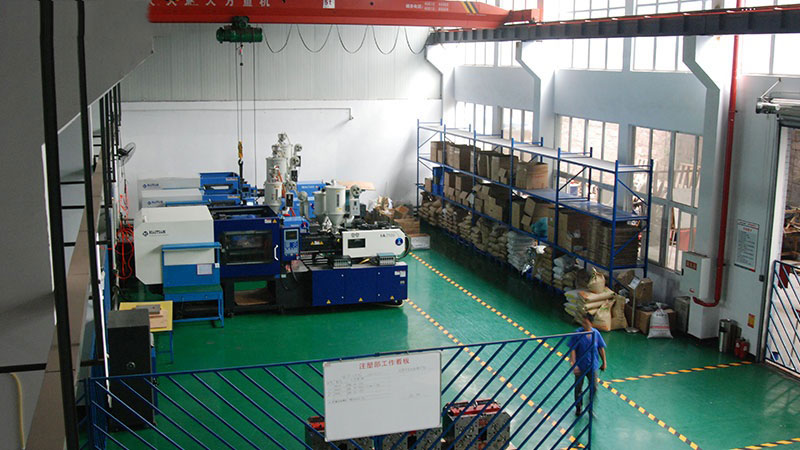
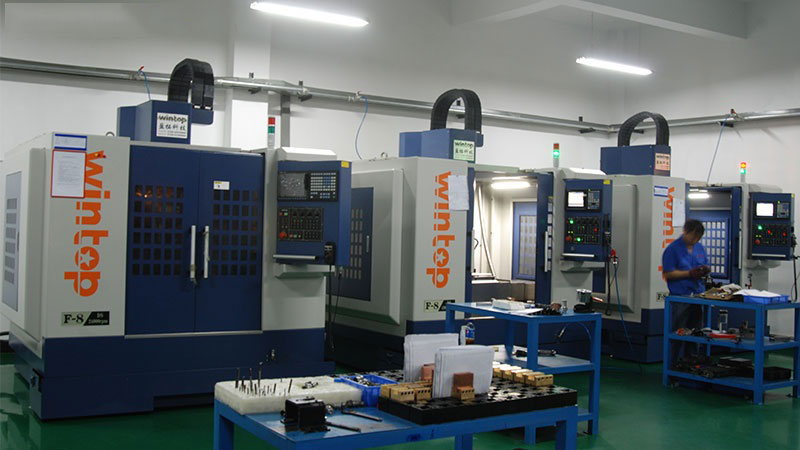
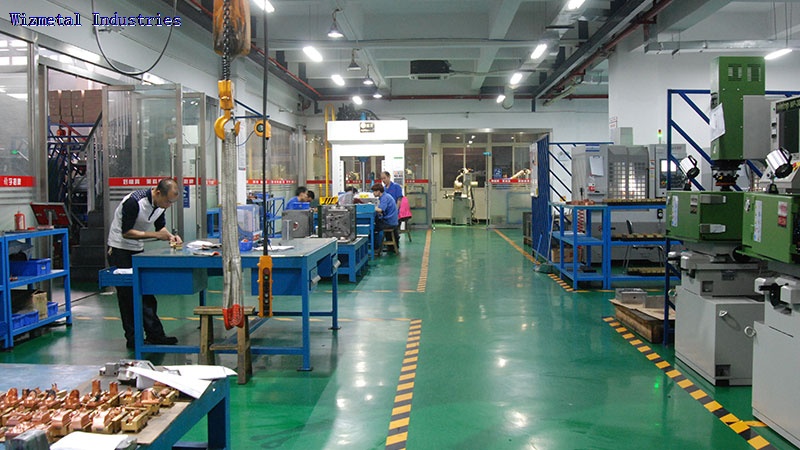
The first and most critical step is moving beyond basic online directories to conduct thorough supplier verification. A legitimate and capable China mold factory will have a transparent digital footprint. Start by scrutinizing their business licenses (look for an official Chinese business registration number) and requesting detailed company profiles that outline their years in operation, factory size, and key machinery. For silicone mould manufacturers in China, specific equipment like vacuum degassing chambers and precision temperature-controlled ovens is essential for producing bubble-free, durable moulds. Utilize video calls to conduct virtual factory tours; a reputable supplier will readily showcase their workshop floor, raw material storage, and quality control areas. Furthermore, check for international certifications relevant to your industry, such as FDA compliance for food-grade silicone or ISO 9001 for quality management systems. This due diligence forms the non-negotiable foundation of a secure partnership.
Once a shortlist of potential partners is established, the focus must shift to precise technical communication and prototyping. Misunderstandings at this stage are the primary cause of delays, cost overruns, and unsatisfactory final products. Provide comprehensive and clear technical drawings, specifying all dimensions, tolerances, Shore hardness (a critical measure of silicone firmness), and color requirements. If you lack formal drawings, invest in creating a detailed 3D model. For complex designs, especially those involving undercuts or intricate details, discuss the mold design strategy upfront—whether a simple one-part block or a multi-part injection mold style for silicone. Most professional suppliers will insist on creating a prototype or sample mould before proceeding to full production. Pay for this sample; it is a vital investment that allows you to test functionality, material quality, and dimensional accuracy. Evaluate the sample for seam lines, ease of demolding, and the fidelity of detail reproduction.
A cornerstone of successful importation is implementing a robust, multi-stage quality control protocol. Do not assume quality; verify it at every step. For overseas buyers, a structured QC plan is your primary risk mitigation tool. Define and agree upon measurable quality standards with your chosen China mold factory before production begins. These should include raw material specifications (e.g., platinum-cure vs. tin-cure silicone), critical dimension checks, and performance tests like cycle life (how many casts the mould can withstand). Insist on pre-production samples for approval. During production, arrange for in-process inspections, either through a trusted third-party inspection service or your own agent, to catch issues early. A final random inspection before shipment, following an internationally recognized standard like AQL (Acceptable Quality Level), is essential. This systematic approach to procurement ensures that the batch leaving the factory meets your exact standards, preventing costly rejections upon arrival.
Understanding the total cost structure and navigating logistics are what transform a good deal into a profitable one. The quoted price per mould is only one component. Seek detailed breakdowns that itemize costs for mold design, prototype development, raw materials, production labor, and tooling (if applicable). Be clear about payment terms; standard practices often involve a deposit (30-50%) to commence work, with the balance paid before shipment. For larger orders, negotiate stage payments. Incoterms are crucial: FOB (Free On Board) is common, meaning your responsibility for cost and risk begins once the goods are loaded on the vessel at the Chinese port. You must then account for shipping, insurance, and import duties in your destination country. Partner with a reliable freight forwarder experienced in handling moulds, which can be dense and require careful packing to avoid deformation. Ensure your supplier provides all necessary documentation, including a detailed commercial invoice, packing list, and certificate of origin, to smooth customs clearance.
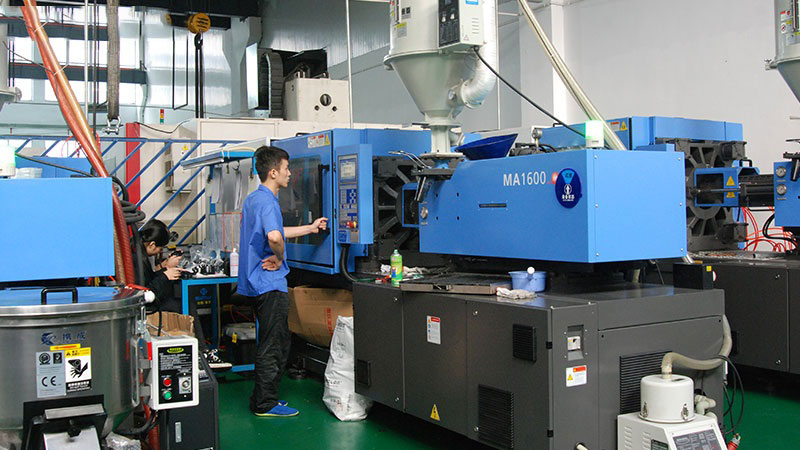
The landscape of manufacturing is evolving, and leading silicone mould manufacturers in China are at the forefront of several key trends for 2026. Sustainable and specialty materials are in high demand; inquire about options like bio-based silicones or materials with enhanced thermal conductivity or flame retardancy for niche applications. Digital integration is streamlining the entire process; suppliers who utilize cloud-based platforms for design sharing, project management, and real-time production updates offer superior transparency. Furthermore, the lines between technologies are blurring. A supplier experienced in both silicone moulding and hard tooling for plastic injection mold production can be an invaluable partner for projects requiring complementary components. Finally, consider the supplier’s capacity for scalability and post-sales support, including their ability to store your tooling and execute repeat orders efficiently.
Importing silicone moulds from China remains a strategically sound decision for businesses seeking quality and value. The path to success lies in a disciplined, informed approach centered on rigorous supplier verification, unambiguous technical communication, proactive quality control, and clear logistical planning. By treating your chosen manufacturer as a strategic partner rather than just a vendor and leveraging the actionable insights outlined in this 2026 guide, you can confidently build a supply chain that is reliable, efficient, and capable of bringing your most precise product visions to life. The opportunity is substantial, and with the right methodology, so too are the rewards for your business.
Work With Us
As a professional China mold manufacturer, we provide one-stop mold solution for overseas buyers.
📞 Phone: +86-18605944639
💬 WhatsApp: +8618605944639
🌐 Website: bestmoldworks.com
📧 Email: [email protected]