For overseas buyers and product developers, sourcing a reliable custom silicone mold maker is a critical step in bringing innovative designs to market efficiently and cost-effectively. China remains the global epicenter for mold manufacturing, offering unparalleled expertise, scalability, and competitive pricing. However, navigating this vast market to identify the best suppliers and ensure impeccable quality requires a strategic, informed approach. This guide for 2026 is designed to cut through the noise, providing you with actionable, professional insights to streamline your procurement process and build successful partnerships with leading China mold factories.
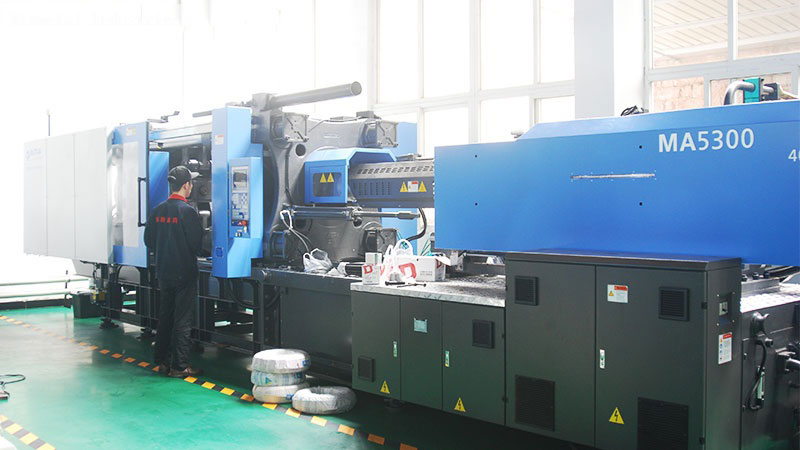
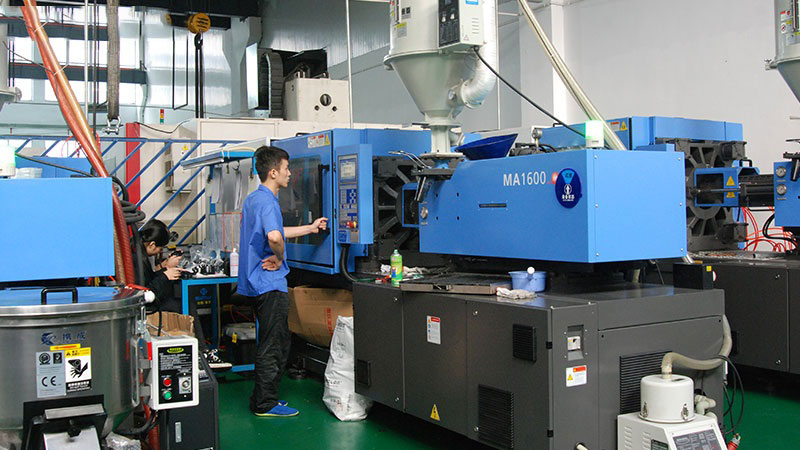
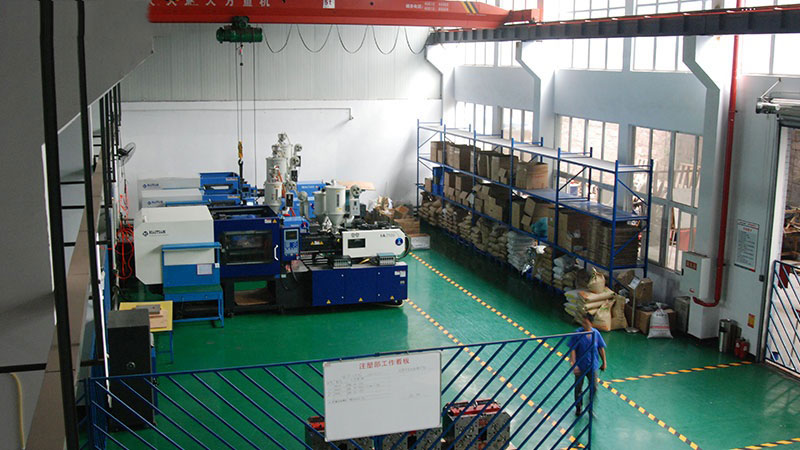
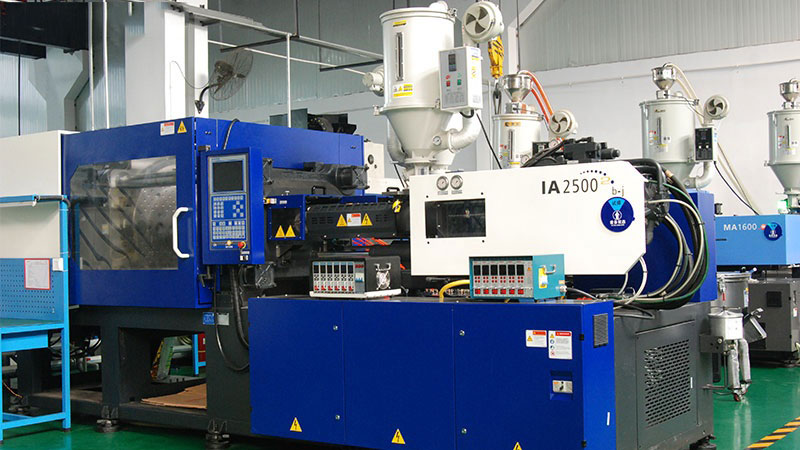
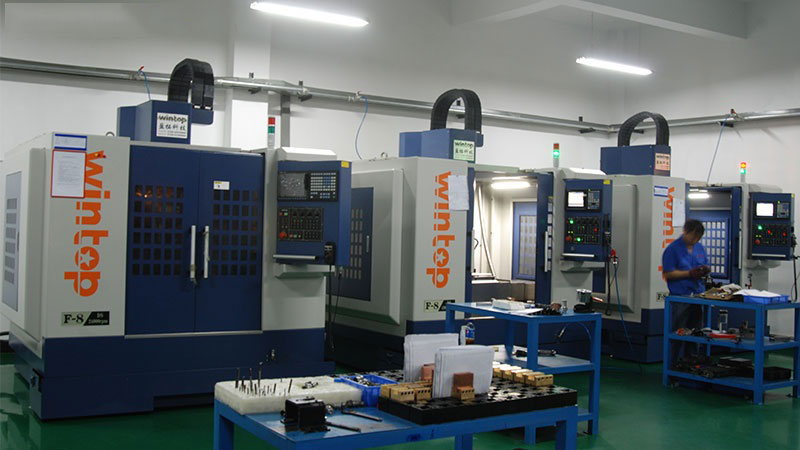
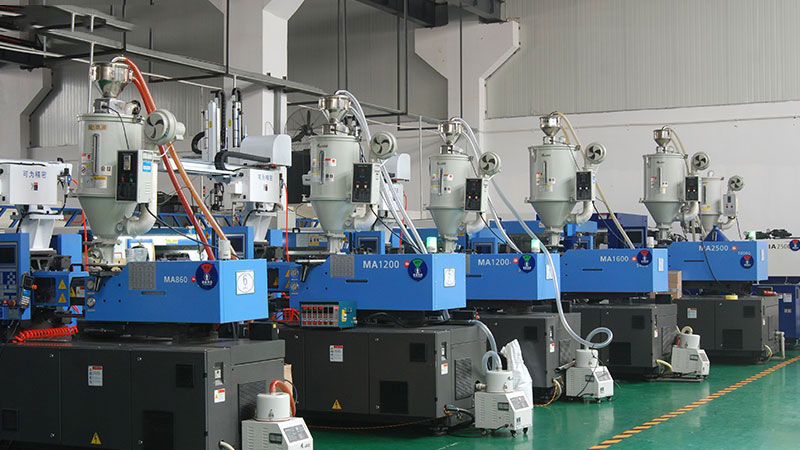
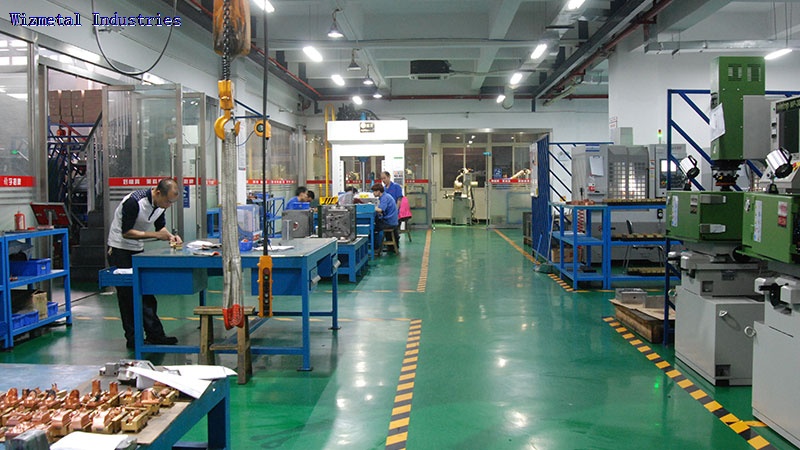
The foundation of a successful import project lies in meticulous supplier verification. In 2026, due diligence goes beyond a simple website check. Start by verifying the supplier’s business license and export credentials. Utilize video calls to conduct virtual factory tours; a reputable custom silicone mold maker will readily showcase their workshop, machinery, and ongoing projects. Pay close attention to their equipment—modern CNC machines, EDM, and dedicated silicone mixing and curing areas are positive indicators. Furthermore, request and contact past client references, specifically those from your region or in a similar industry. Inquire about their experience with communication, problem-solving, and post-sales support. This step, though time-consuming, is your primary defense against underqualified partners and potential project failures.
Once a potential partner is shortlisted, mastering the technical and commercial discussion is paramount. Be exceptionally clear and detailed in your Request for Quotation (RFQ). For a silicone mold, this includes providing 3D CAD files (preferably in STEP or IGS format), specifying the required material grade (e.g., food-grade, high-temperature resistant), expected production volume (shots), and critical tolerances. Distinguish between prototype molds and production molds, as their construction and cost differ significantly. Discuss the mold flow analysis if you are dealing with complex parts that will be used for liquid silicone rubber (LSR) injection molding. A professional China mold factory will ask insightful questions and may suggest design for manufacturability (DFM) improvements to enhance mold life and part quality. Transparency in this phase sets accurate expectations and prevents costly revisions later.
Implementing a robust quality control framework from the outset is non-negotiable. For overseas buyers, physical distance makes proactive quality management essential. Define and agree upon a comprehensive Quality Control Plan before order confirmation. This should include staged inspection points: First Article Inspection (FAI) after the initial samples are produced, and During Production Inspection (DPI) for larger orders. Key checkpoints for a custom silicone mold maker involve verifying mold dimensions against the CAD model, testing the hardness (Shore A) of the silicone, inspecting for air bubbles or imperfections, and most crucially, sampling and measuring the final cast or injected parts. Many buyers engage trusted third-party inspection services in China to conduct these checks objectively. This layer of oversight ensures the mold meets all specifications before shipment, saving substantial costs and delays from rejecting faulty goods at your destination port.
Understanding the total cost of ownership and the logistics chain is vital for a smooth procurement experience. While unit price is important, consider the entire project cost, which includes mold design, tooling, sample shipping, and potential maintenance. Clarify payment terms; a common and secure structure is 50% deposit and 50% before shipment. For logistics, discuss Incoterms clearly—FOB is standard, giving you control over your chosen shipping and insurance partners. Ensure the supplier has experience in export packaging; molds are precision tools and require secure, waterproof crating. Furthermore, discuss post-sales support: what is the warranty period on the mold? Will they provide maintenance advice or spare components? A reliable supplier views this as a long-term partnership, not a single transaction.
Finally, fostering a professional partnership mindset will yield the best long-term results. Clear, consistent, and documented communication is key. Use shared project management tools or regular update emails to track progress. Be respectful of time zones but establish expected response timelines. View your chosen China mold factory as an extension of your team; their manufacturing expertise can be invaluable. As you plan for 2026, consider building deeper relationships with one or two verified suppliers rather than constantly seeking the lowest bidder. This leads to better pricing, prioritized scheduling, and a supplier who is deeply invested in your product’s success, understanding your quality standards and business goals intimately.
Successfully importing from a custom silicone mold maker in China in 2026 is a structured process of verification, clear communication, and diligent quality control. By focusing on supplier verification, detailed technical discussions, proactive quality inspections, and comprehensive logistics planning, you mitigate the inherent risks of overseas procurement. The goal is to transform geographical distance from a challenge into a strategic advantage, leveraging China’s manufacturing prowess to produce high-quality, cost-effective silicone molds that drive your product innovation and business growth. With these actionable strategies, you are well-equipped to identify the best suppliers and secure the quality your projects demand.
Work With Us
As a professional China mold manufacturer, we provide one-stop mold solution for overseas buyers.
📞 Phone: +86-18605944639
💬 WhatsApp: +8618605944639
🌐 Website: bestmoldworks.com
📧 Email: [email protected]