For overseas buyers, the decision to import molds from China represents a significant opportunity for cost efficiency, advanced manufacturing capabilities, and scalability. However, navigating the vast and complex landscape of suppliers can be daunting. The challenge is not merely finding a China mold manufacturer, but identifying a reliable partner capable of delivering precision, consistency, and value. This guide for 2026 cuts through the noise to provide a strategic, actionable framework for your procurement process, ensuring your project’s success from initial sketch to final production run.
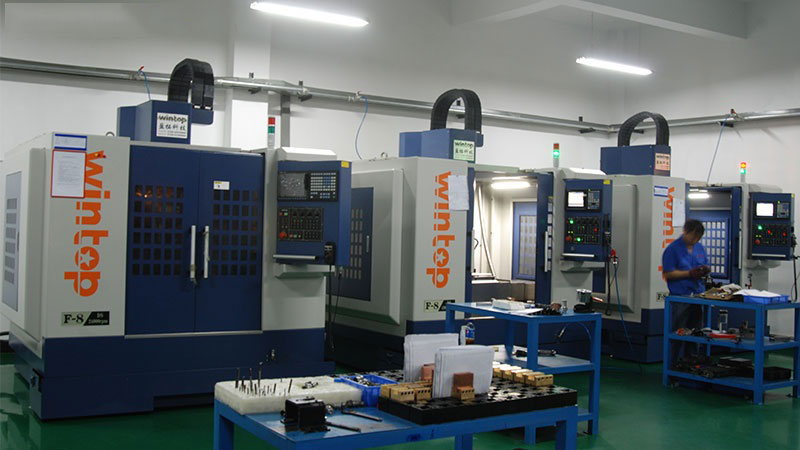
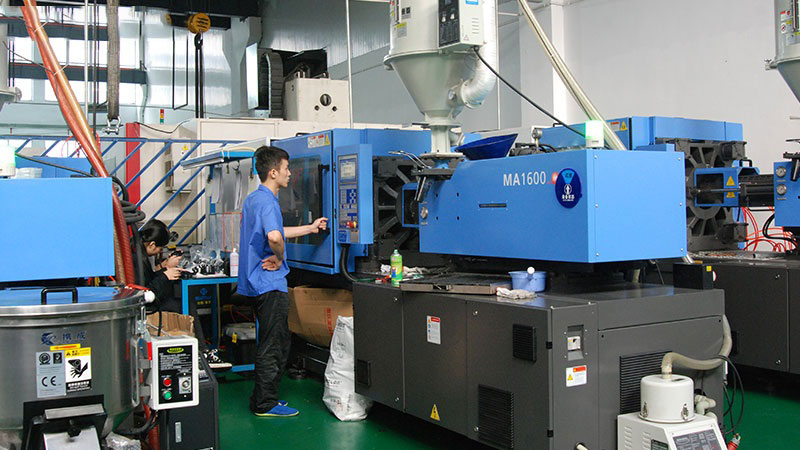
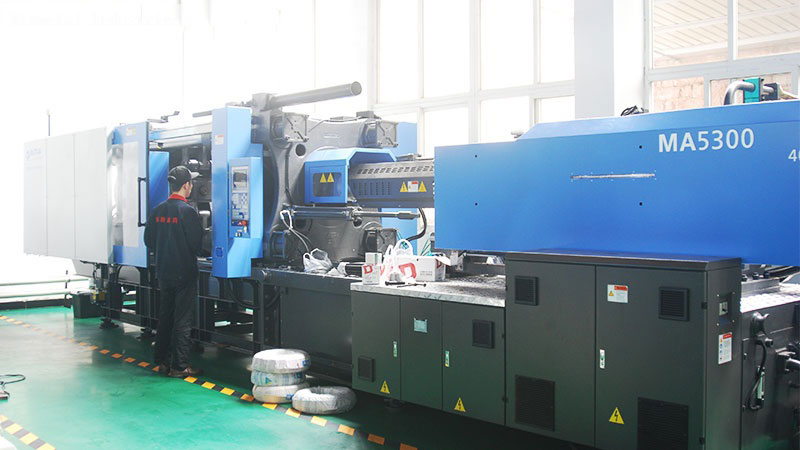
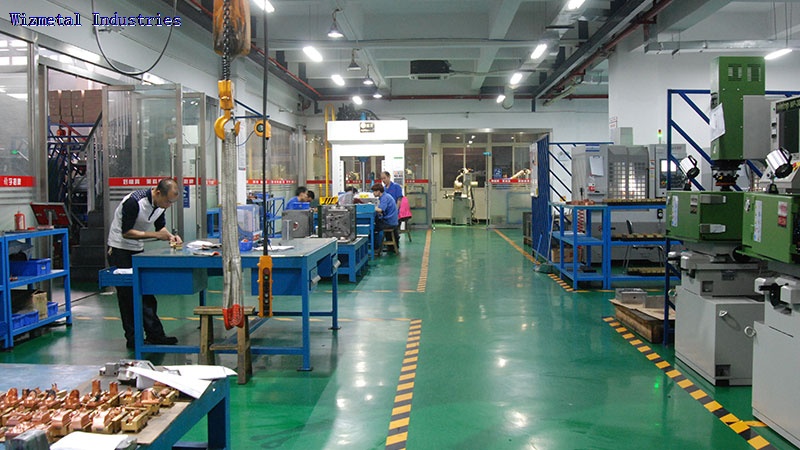
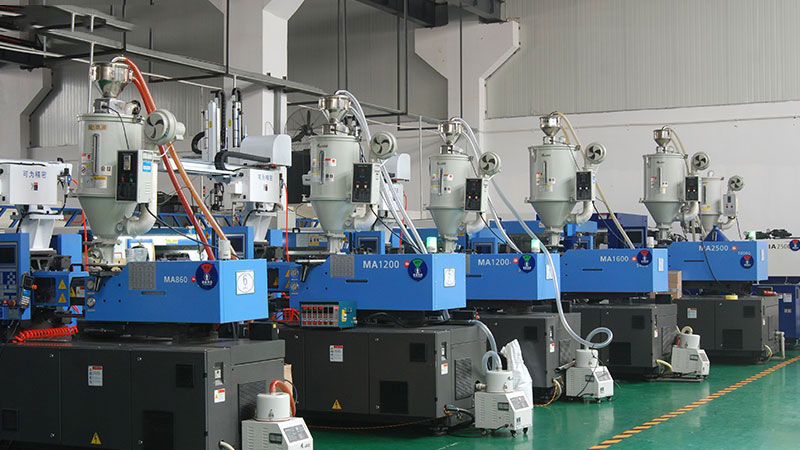
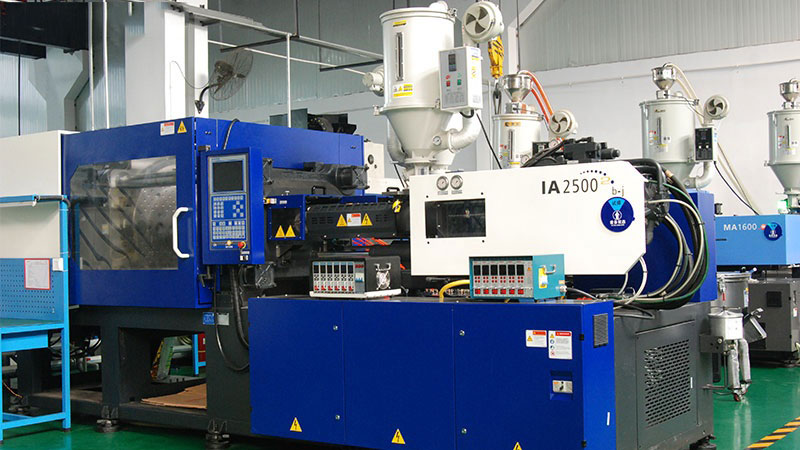
The cornerstone of a successful import venture is rigorous supplier verification. Moving beyond a simple Google search or Alibaba listing is non-negotiable. Begin by shortlisting potential China mold factories with demonstrable expertise in your specific niche, whether that’s automotive injection molds, high-precision medical components, or large-scale consumer goods. Scrutinize their digital footprint: a professional website with detailed case studies, technical blogs, and client testimonials is a positive indicator. Utilize third-party verification platforms like SGS or Bureau Veritas for audit reports. Crucially, insist on a video conference tour of their facility. A 2026-ready manufacturer will readily showcase their workshop floor, machinery (look for modern CNC, EDM, and injection molding machines), and quality control stations in real-time, establishing transparency from the outset.
Once a potential partner is identified, mastering the technical and commercial discussion is vital. Your request for quotation (RFQ) package must be impeccably detailed. Include not just 2D drawings, but 3D CAD files (STEP or IGS formats), clearly specified material preferences (e.g., P20, H13, stainless steel), expected cavity life, tolerances, and surface finish requirements (SPI standards). Discuss mold flow analysis upfront; a competent china mold manufacturer will proactively offer this simulation to predict and prevent defects like warping or air traps. Commercially, understand the Incoterms 2020. Negotiate a clear payment schedule (e.g., 30-50% deposit, 40-60% before shipment, 10% balance after sample approval) and ensure the contract explicitly covers intellectual property (IP) protection, warranty terms for workmanship and lifespan, and protocols for engineering change orders (ECOs).
Implementing a phased quality control strategy is your primary defense against costly failures. Do not settle for a single pre-shipment inspection. Insist on a First Article Inspection (FAI) report when the initial mold is ready. This involves comprehensive measurement of the mold itself against all critical dimensions. Subsequently, the true test comes with the Trial Shot Report (TSR). Your supplier should provide high-resolution photos and videos of the injection molding trial, along with samples shipped to you for hands-on verification. For critical projects, engaging a local third-party quality inspection firm to conduct an on-site During Production Inspection (DPI) at the China mold factory is a wise investment. This multi-stage approach ensures issues are caught and rectified before the mold ever leaves the factory, saving immense time and cost on rework.
The final steps of logistics and partnership transition are where foresight pays dividends. Work with your chosen injection mold supplier to determine the optimal shipping method—air freight for urgency, sea freight for cost-effectiveness on heavy molds. Ensure they professionally prepare the mold for transit: proper cleaning, anti-rust treatment, and secure, crated packaging. All essential documentation—detailed drawings, maintenance manuals, material certificates, and inspection reports—should be digitally archived and physically shipped with the mold. View the conclusion of this transaction not as an end, but as the beginning of a long-term partnership. A reliable manufacturer will offer ongoing technical support, be available for mold maintenance advice, and be your go-to partner for future modifications or new projects, turning a single procurement into a sustained competitive advantage.
In conclusion, importing molds from China in 2026 demands a blend of diligent verification, clear communication, and proactive quality management. The landscape is competitive, but by systematically applying this guide—from deep supplier vetting and technical collaboration to staged inspections and strategic logistics—you transform perceived risk into a reliable, high-value supply chain solution. The goal is to move beyond a transactional vendor relationship to a true technical partnership with a China mold manufacturer who is invested in the success of your product. With this disciplined approach, the world-class capabilities of Chinese mold making become a powerful, predictable, and profitable extension of your own manufacturing operations.
Work With Us
As a professional China mold manufacturer, we provide one-stop mold solution for overseas buyers.
📞 Phone: +86-18605944639
💬 WhatsApp: +8618605944639
🌐 Website: bestmoldworks.com
📧 Email: [email protected]