Blog

  • cheap injection mold: Best Suppliers & Quality Control 2026

    For overseas buyers, the prospect of sourcing a cheap injection mold from China presents a powerful opportunity to reduce upfront tooling costs and enhance product competitiveness. However, the journey from a CAD file to a high-quality, reliable mold in your production line is fraught with potential pitfalls. The true challenge lies not merely in finding a low price, but in securing lasting value through a trustworthy China mold factory and a robust quality control framework. This guide for 2026 cuts through the noise, offering actionable strategies to navigate procurement successfully, ensuring your cheap injection mold investment pays dividends for years.

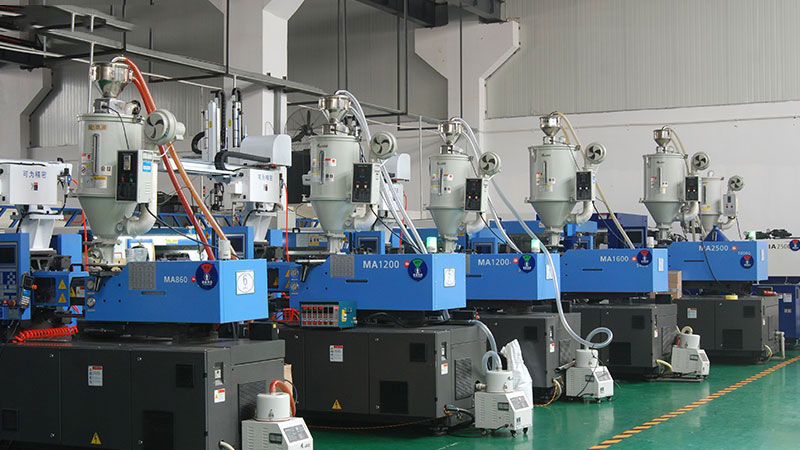
    The foundational step in securing a reliable cheap injection mold is meticulous supplier verification. The landscape of Chinese manufacturers is vast and varied, and the lowest bid often carries hidden costs. Begin your search on comprehensive B2B platforms, but use them as a starting point for deeper due diligence. Prioritize factories with verifiable credentials, such as business licenses, and specialized expertise in your industry or material type. The most critical action is to conduct a virtual or, ideally, in-person audit. Request a live video tour of their facility; observe their machinery (look for modern CNC, EDM, and CMMS equipment), workshop organization, and engineering team. Demand a portfolio of past projects, specifically for export clients, and ask for direct references. In 2026, a professional supplier expects and welcomes this scrutiny. This stage of procurement is where you filter out workshops incapable of meeting international standards, long before any money is exchanged.

    Once a potential partner is identified, mastering the quotation and design review process is your primary leverage point for cost control and quality assurance. A detailed, unambiguous Request for Quotation (RFQ) is non-negotiable. It must include full 3D CAD files, material specifications (core/cavity steel grade like P20, 718, or S136), expected lifespan (number of shots), tolerances, surface finish requirements, and a clear timeline. Analyze quotations line-by-line. Be wary of quotes that seem abnormally low; this often signals the use of inferior steel, skipped critical treatments like heat hardening, or simplified cooling systems that will cause longer cycle times and part defects. Engage your engineers in a collaborative Design for Manufacturability (DFM) review with the mold factory. Their expertise can suggest subtle design changes that significantly simplify the injection mold construction, reduce cost, and improve durability without compromising your part’s function. This collaborative, transparent approach aligns expectations and prevents costly redesigns mid-production.

    The pivotal phase that separates successful imports from costly failures is implementing staged quality control gates throughout the mold manufacturing process. Do not settle for a simple “quality check before shipping.” Insist on a documented QC protocol with milestone inspections. Key checkpoints include: a material certification for the mold steel, a first article inspection after the core and cavity are machined (using 3D scans to verify dimensions against your CAD), a T1 sample trial with full documentation (including short shots, pressure curves, and part measurements), and a final pre-shipment audit. For critical projects, hiring an independent third-party inspection service in China for the T1 sample and final approval is a highly recommended investment. They provide an objective report on part dimensions, surface finish, and mold functionality. This proactive, gate-driven approach to quality control allows for corrections at the stage where they are least expensive and disruptive, safeguarding your project from catastrophic failure upon arrival.

    The final step, often overlooked, is planning for the mold’s lifecycle and the long-term partnership. A professional China mold factory will provide complete mold documentation, including 2D drawings, a bill of materials for spare components (like ejector pins and heaters), and maintenance manuals. Discuss and agree upon warranty terms upfront—typically 12-24 months against manufacturing defects—and the process for handling issues. Establish clear protocols for future actions: who will store the mold, what are the costs for mold modification if your part design evolves, and how quickly can production be ramped up for a repeat order? Building this partnership mindset transforms a transactional purchase into a strategic supply chain asset. The supplier becomes invested in your success, leading to better service, priority scheduling, and continued support, thereby maximizing the return on your initial injection mold procurement.

    In conclusion, sourcing a cheap injection mold from China in 2026 is a strategic endeavor that rewards diligence, communication, and a systematic approach. The goal transcends finding the lowest initial price; it is about securing total value and reliability. By rigorously verifying your China mold factory, engaging deeply in the design and quoting process, enforcing staged quality control checkpoints, and fostering a long-term partnership, you de-risk the entire procurement journey. This methodology ensures that the mold you import is not only cost-effective but is a robust, high-precision tool that delivers consistent part quality, minimizes downtime, and ultimately drives the profitability of your product line for years to come.

    Work With Us

    As a professional China mold manufacturer, we provide one-stop mold solution for overseas buyers.
    📞 Phone: +86-18605944639
    💬 WhatsApp: +8618605944639
    🌐 Website: bestmoldworks.com
    📧 Email: [email protected]
  • create custom moulds: Professional Buying Guide 2026

    For overseas buyers, the decision to create custom moulds in China represents a significant strategic advantage, offering access to world-class engineering, advanced manufacturing capabilities, and competitive costs. However, navigating this complex procurement landscape requires more than just finding a low quote. As we move into 2026, the process has evolved, demanding greater sophistication in supplier selection, communication, and quality assurance. This professional guide is designed to cut through the noise and provide you with actionable, real-world strategies to successfully partner with a China mold factory, secure high-quality injection molds, and transform your product vision into a manufacturable reality.

    The foundation of a successful project lies in meticulous preparation before you even contact a single supplier. The most critical step is to develop a comprehensive and unambiguous Technical Data Package. This goes beyond a simple concept sketch. Your package should include detailed 3D CAD models, fully dimensioned 2D drawings with geometric dimensioning and tolerancing, material specifications for the final plastic part, and clear notes on expected surface finish, texture, and critical cosmetic areas. Furthermore, provide your target production volume, which directly influences the mold’s construction. A mold for 100,000 cycles requires different materials and hardening processes than one for 500,000. This level of detail not only allows for accurate and comparable quotations but also immediately signals to serious China mold factories that you are a professional buyer, setting the stage for a more collaborative and efficient relationship.

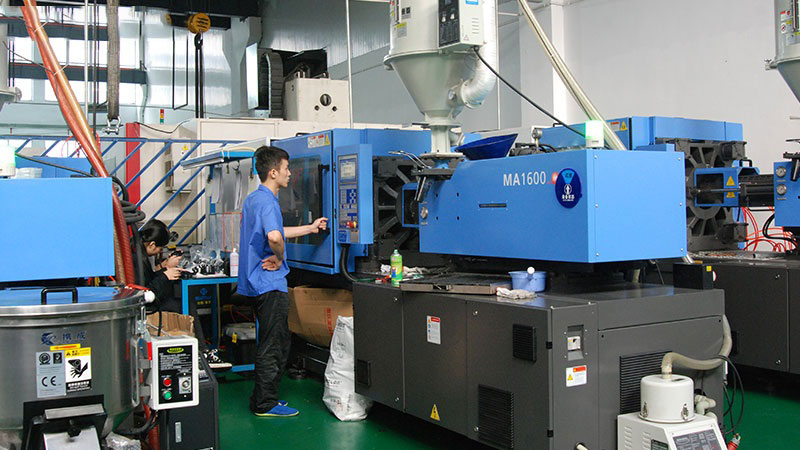
    With your technical package ready, the next phase is rigorous supplier verification. In 2026, simply browsing Alibaba listings is insufficient for custom tooling. Begin by shortlisting suppliers who explicitly showcase expertise in your specific industry, whether it be automotive, medical, consumer electronics, or packaging. Scrutinize their portfolio for projects of similar complexity. The verification process must be multi-layered. First, conduct virtual audits; request live video tours of their facility to inspect CNC machining centers, EDM equipment, and mold trial presses. Second, insist on speaking directly with the project engineer who will handle your account, not just a sales representative. Third, ask for and diligently contact references from past overseas clients. A reliable supplier will have a documented process for design review, progress reporting, and change order management. This due diligence is your primary defense against costly misunderstandings and project failures.

    The procurement phase is where clarity prevents conflict. When evaluating quotations, look beyond the bottom-line price. A professional quote should be a transparent breakdown, itemizing costs for mold design, mold base, cavity and core machining, hot runner system, surface treatments, and mold trials. Be wary of suspiciously low bids, as they often indicate the use of inferior materials, skipped critical processes, or hidden costs that will appear later. Negotiate based on value and specifications, not just price. Clearly define the payment terms, which are typically structured in milestones. A common and secure structure is 30-40% deposit, 40-50% upon approval of pre-shipment photos and trial sample reports, and the balance before shipment. Crucially, use a detailed purchase agreement that codifies every aspect: the approved technical specifications, the project timeline with milestones, the quality acceptance criteria, and the protocol for handling design changes. This contract is your essential framework for the entire project.

    Active quality control throughout the manufacturing lifecycle is non-negotiable. The old practice of “wait and see” upon shipment is a high-risk strategy. Partner with a China mold factory that proactively supports staged inspections. Key inspection points include the approval of mold flow analysis to predict and prevent filling issues, the review of steel material certificates, and the critical First Article Inspection after the initial mold trial. You should receive a comprehensive trial report including sampled parts, dimensional measurement data, and high-resolution photos and videos of the mold and its function. For high-value projects, engaging a local third-party quality inspection firm to conduct an on-site Pre-Shipment Inspection is a wise investment. They can verify the mold’s construction against your drawings, check the functionality on the press, and confirm the quality of the trial samples. This proactive approach allows for corrections while the supplier’s team is still actively engaged on your project, avoiding costly rework after the mold has left the factory.

    Finally, view your mold procurement as the start of a long-term partnership, not a one-time transaction. A well-maintained custom injection mold can produce millions of parts. Discuss post-sales support upfront. Will the supplier provide spare part drawings? What is their policy and cost structure for mold maintenance and repair? Establishing clear communication channels for future production runs or minor modifications is essential. A trustworthy partner will be interested in your long-term success, as it leads to repeat business for production parts and future projects when you need to create custom moulds for new product lines.

    In conclusion, successfully importing custom moulds from China in 2026 demands a professional, process-driven approach. By investing time in precise technical definition, conducting thorough supplier verification, structuring a clear procurement contract, implementing staged quality control, and planning for long-term support, you mitigate the inherent risks of overseas manufacturing. The goal is to transform the geographical distance into a strategic advantage, leveraging China’s manufacturing ecosystem to gain a competitive edge through high-quality, cost-effective custom tooling. By following this guide, you position yourself not just as a buyer, but as an informed partner, ready to execute a seamless and successful project from concept to production.

    Work With Us

    As a professional China mold manufacturer, we provide one-stop mold solution for overseas buyers.
    📞 Phone: +86-18605944639
    💬 WhatsApp: +8618605944639
    🌐 Website: bestmoldworks.com
    📧 Email: [email protected]
  • toy mould manufacturers in china: Reliable Manufactur 2026

    For overseas buyers, sourcing toy moulds from China remains a cornerstone strategy for competitive manufacturing. The landscape, however, is evolving rapidly. As we look toward 2026, finding reliable partners requires moving beyond simple price comparisons to a more nuanced, verification-focused approach. This guide provides actionable insights for importers seeking to navigate the market of toy mould manufacturers in China with confidence, ensuring quality, timeliness, and value.

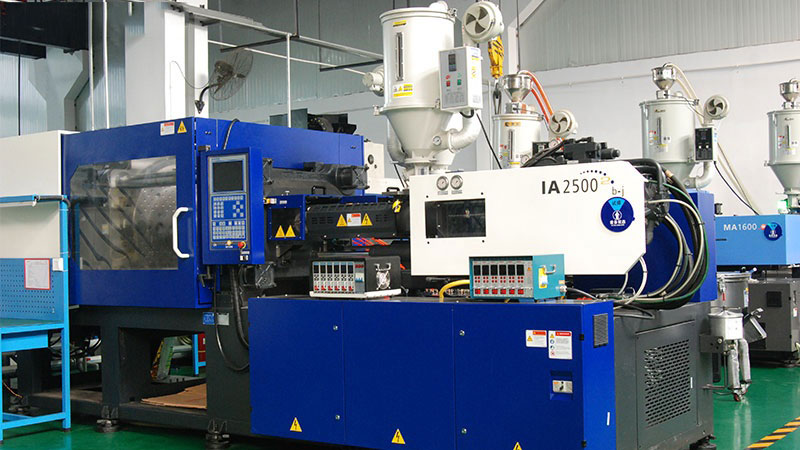
    The foundation of a successful import project lies in meticulous supplier verification. The term “China mold factory” encompasses a vast spectrum, from rudimentary workshops to fully integrated, technologically advanced facilities. Your first step must be to dig deeper than a supplier’s website. Request a detailed company profile including business licenses, export history, and client references, preferably from your region. Utilize video calls to conduct virtual factory tours; a reputable supplier will readily showcase their shop floor, machinery (look for modern CNC, EDM, and injection molding machines), and quality control stations. Third-party verification services can also be invaluable for confirming a factory’s operational scale and legitimacy. This due diligence filters out intermediaries and identifies true manufacturing partners capable of meeting international standards.

    Once a potential partner is identified, a laser focus on technical communication and prototyping is non-negotiable. The complexity of a toy injection mold demands absolute clarity. Provide comprehensive 3D drawings (STEP or IGES files) with explicit tolerances, surface finish requirements (SPI standards), and material specifications for both the mold (such as P20, H13 steel) and the intended toy plastic. Insist on a Design for Manufacturability (DFM) review before tooling begins. A professional China mold factory will analyze your design, suggest modifications to improve moldability and reduce cost, and provide a formal DFM report. Following this, invest in a prototype mold or a first-article sample. This step, though an initial cost, is critical for verifying design intent, functionality, and safety before committing to full-scale production tooling, preventing far more expensive corrections later.

    Robust quality control protocols integrated throughout the mold manufacturing process are what separate reliable partners from the rest. Do not relegate QC to a final pre-shipment inspection. Instead, mandate staged inspections with documented evidence. Key checkpoints include: material certification for mold steel, initial mold fabrication checks (T1 sample), and comprehensive sampling from the production injection mold. The final sampling should assess not just dimensions but also part aesthetics, assembly functionality, durability, and compliance with relevant safety standards like EN71, ASTM F963, or CPSIA. Partner with or request that the supplier use precision measuring equipment (CMM, profilometers) and provide full inspection reports. For ongoing production, define an Acceptable Quality Level (AQL) for part inspections. Proactive quality control is your primary risk mitigation tool.

    Navigating logistics, intellectual property (IP) protection, and the total cost of ownership are the final, critical pillars. A reliable supplier will have experience in exporting molds, handling packaging for ocean freight, and completing necessary customs documentation. Regarding IP, a formal Non-Disclosure Agreement (NDA) is essential, but its enforcement relies on partnering with a supplier with a proven reputation. Consider compartmentalizing design details where possible. Finally, analyze costs beyond the initial quote. The most competitive toy mould manufacturers in china will offer transparent pricing that includes DFM, prototyping, testing, standard mold components, and basic packaging. Discuss payment terms that balance risk (e.g., 30-50% deposit, balance before shipment) and use secure, traceable methods. Remember, the lowest tooling cost can lead to higher per-part costs due to poor maintenance or short mold life.

    As the global market advances toward 2026, the benchmark for reliable manufacturing in China is shifting from cost-alone to consistency, transparency, and technical partnership. The journey to finding excellent toy mould manufacturers in china is systematic: verify thoroughly, communicate with technical precision, control quality at every stage, and plan for the entire product lifecycle. By adopting this strategic, problem-solving approach, overseas buyers can build enduring relationships with Chinese mold factories that deliver not just a tool, but a foundation for successful, safe, and profitable toy production for years to come.

    Work With Us

    As a professional China mold manufacturer, we provide one-stop mold solution for overseas buyers.
    📞 Phone: +86-18605944639
    💬 WhatsApp: +8618605944639
    🌐 Website: bestmoldworks.com
    📧 Email: [email protected]
  • custom mold cost: Professional Buying Guide 2026 | China Mold Factory

    For overseas buyers, importing molds from China represents a significant strategic advantage, offering access to advanced manufacturing capabilities at competitive prices. However, navigating the landscape of custom mold procurement can be complex, with the final custom mold cost influenced by a myriad of factors beyond a simple price quote. This professional guide for 2026 is designed to cut through the noise, providing you with actionable strategies to manage costs effectively while securing high-quality tooling from a reliable China mold factory. We will move beyond basic comparisons to address the real challenges in supplier verification, specification clarity, and quality control that ultimately determine your project’s success and total cost of ownership.

    Understanding the True Drivers of Injection Mold Pricing

    Before engaging any supplier, it is critical to understand what you are paying for. A low initial quote can be misleading if it does not encompass all necessary elements. The final custom mold cost is typically built from several core components. First, mold design and engineering require skilled labor and sophisticated software; skipping robust DFM (Design for Manufacturability) analysis here leads to costly revisions later. Second, material selection for the mold base (e.g., P20, H13, S136 steel) and internal components dramatically affects both price and mold lifespan. Third, manufacturing complexity, including the number of cavities, surface finish requirements (SPI standards), tolerances, and intricate actions (like sliders and lifters) directly scales labor and machining time. Finally, consider ancillary costs: prototyping, testing, packaging, and logistics. A professional procurement approach starts with a detailed RFQ (Request for Quotation) packet that specifies all these variables, enabling apples-to-apples comparisons and preventing unexpected add-ons.

    Strategic Supplier Verification: Vetting Your China Mold Factory Partner

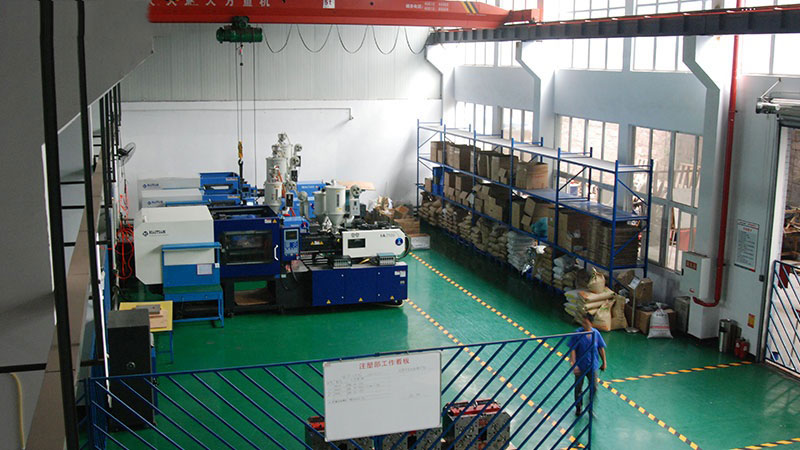
    The choice of supplier is the single most significant factor in balancing cost, quality, and risk. In 2026, verification goes far beyond checking a website. Begin with a deep technical assessment: request detailed case studies of similar projects, particularly for your type of injection mold. Inquire about their primary industries served—a factory specializing in automotive components may not be ideal for consumer electronics. Essential checks include verifying business licenses, auditing quality management certifications (e.g., ISO 9001), and assessing their in-house capabilities. Do they perform all critical processes like CNC, EDM, and quality inspection on-site, or do they outsource? This affects control and timelines. Utilize video calls to conduct virtual factory tours. Furthermore, check their export experience and ask for references from existing overseas clients. A transparent and communicative China mold factory will welcome this due diligence, viewing it as the foundation of a professional partnership.

    Optimizing Design and Specifications for Cost-Efficiency Without Compromise

    Collaborative engineering is your most powerful tool for cost management. Engage with your chosen supplier’s engineering team early in the design phase. A proficient China mold factory will provide DFM feedback that can simplify mold structure, suggest material alternatives for the final part that reduce cycle times, or recommend slight design modifications that eliminate the need for expensive complex mechanisms. Standardizing mold bases where possible, rationalizing tolerance requirements to what is functionally necessary, and discussing acceptable surface finish levels can yield substantial savings. This phase is not about cutting corners but about eliminating unnecessary expense driven by over-specification or suboptimal design. Clearly document all agreed-upon specifications in a technical drawing package signed off by both parties; this document becomes the binding standard for manufacturing and quality control, preventing costly disputes.

    Implementing Rigorous Quality Control and Prototyping Milestones

    Managing quality proactively is far less expensive than fixing failures post-production. Structure your payment terms around key quality milestones rather than a simple upfront deposit. A standard and effective schedule is: 30% upon order, 40% after T1 sample approval, and 30% before shipment. Insist on a First Article Inspection (FAI) report and dimensional reports for the mold itself. For the injection mold output, the T1 sample stage is critical. Budget for and require a sample molding run at the factory, using production-grade material. Evaluate these samples thoroughly for dimensions, function, and appearance. This process may identify needed adjustments that are the supplier’s responsibility to rectify. Consider hiring a local third-party quality inspection firm for a Pre-Shipment Inspection (PSI) to audit the final mold and a final sampling run. This independent verification, though an added cost, mitigates immense risk and ensures your tooling investment is protected.

    Navigating Logistics, Communication, and Long-Term Partnership

    The final hurdle involves securing your investment and ensuring a smooth import process. Discuss incoterms explicitly—EXW, FOB, or CIF—understanding your responsibilities for shipping, insurance, and customs clearance. Ensure the China mold factory provides a comprehensive mold data sheet, maintenance manual, and all necessary certificates for customs. Culturally aware, clear, and documented communication is paramount. Use shared project management tools or regular scheduled updates to track progress. View successful procurement not as a single transaction but as establishing a long-term manufacturing resource. A trustworthy supplier becomes a strategic asset for future projects, potentially offering better pricing and prioritized service. Their understanding of your quality standards and communication style reduces friction and hidden costs on subsequent orders, maximizing the lifetime value of your partnership.

    Conclusion

    Importing custom molds from China in 2026 demands a blend of technical knowledge, strategic vetting, and proactive project management. The goal is not merely to find the lowest bid but to achieve the optimal balance of quality, reliability, and total cost. By thoroughly understanding cost drivers, executing diligent supplier verification, collaborating on design for manufacturability, enforcing staged quality control checks, and managing logistics clearly, you transform procurement from a risky expense into a competitive advantage. This disciplined approach enables you to leverage the expertise and capability of a professional China mold factory, ensuring your injection mold project delivers value and performance for years to come.

    Work With Us

    As a professional China mold manufacturer, we provide one-stop mold solution for overseas buyers.
    📞 Phone: +86-18605944639
    💬 WhatsApp: +8618605944639
    🌐 Website: bestmoldworks.com
    📧 Email: [email protected]
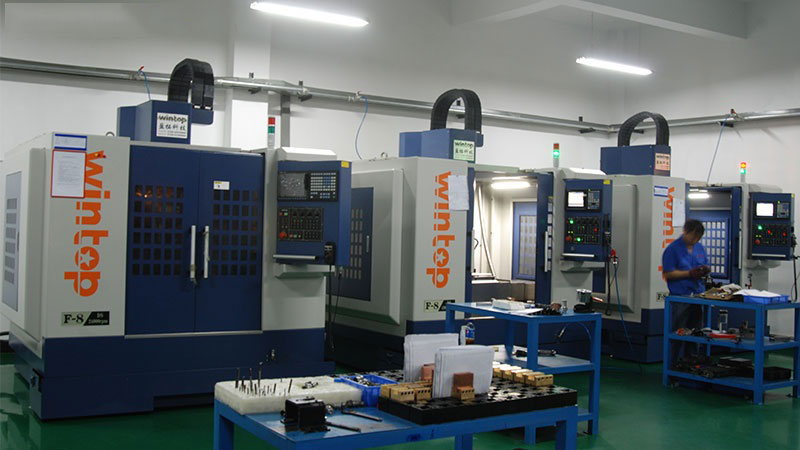
  • China plastic mold Manufacturerturer: Expert Tips & Sol 2026

    For overseas businesses, sourcing plastic injection molds from China remains a strategic move to achieve significant cost savings without necessarily sacrificing quality. However, the landscape is evolving rapidly. As we look toward 2026, success hinges on moving beyond simple price comparisons and adopting a more sophisticated, problem-solving approach to procurement. This guide provides actionable, expert tips to help you navigate the complexities of partnering with a China plastic mold manufacturer, ensuring your project is delivered on time, within budget, and to your exact specifications.

    The foundation of a successful import project is selecting the right partner. The term “China mold factory” encompasses a vast spectrum, from small workshops to highly automated, technologically advanced facilities. Your first critical task is supplier verification. Begin by scrutinizing their portfolio for projects similar in complexity, material, and industry to yours. Do not rely solely on glossy website images. Request detailed case studies and, crucially, contact past international clients. Utilize video calls to conduct virtual factory tours; observe the organization of the workshop, the age and maintenance of machinery, and the workflow. Verify business licenses and export credentials. In 2026, a reputable China plastic mold manufacturer will be transparent, readily providing this information and demonstrating a clear understanding of international standards and communication protocols.

    Once a potential partner is identified, the focus shifts to technical clarity and project alignment. Ambiguity in design and requirements is the primary cause of delays, cost overruns, and subpar quality. To mitigate this, invest in a comprehensive and validated 3D model (STEP or IGS format) and detailed 2D drawings with GD&T tolerancing. Clearly specify the plastic resin you intend to use, as this directly impacts mold steel selection, cooling channel design, and gate types. Discuss and agree upon key milestones: the approval of mold flow analysis, which simulates plastic filling and identifies potential defects; the review of mold design; and the schedule for T1 sample delivery. Establishing these checkpoints transforms the process from a black box into a collaborative, transparent project with defined expectations for both parties.

    Proactive quality control is non-negotiable and must be structured from the start. Do not assume quality will be managed; contract for it. Define your quality standards explicitly in the purchase agreement. This includes specifying mold life expectancy (number of shots), surface finish standards (SPI/VDI), and critical part dimensions for inspection. For high-volume or precision molds, insist on a First Article Inspection report with CMM data for the initial samples. Many experienced buyers now employ third-party quality inspection services in China for critical pre-shipment audits. These inspectors can verify mold dimensions, test sample parts, and document the production process at the China mold factory itself. This layer of independent verification provides immense peace of mind and resolves disputes with objective data before the mold ever leaves the factory floor.

    Effective procurement strategy extends beyond the unit price of the mold. Consider the total cost of ownership. A slightly higher initial investment in a better-quality mold from a reliable China plastic mold manufacturer can save substantial money in reduced downtime, longer tool life, and lower per-part cost in mass production. Negotiate payment terms that protect both parties; a common and balanced structure is 50% deposit, 40% upon approval of samples, and 10% after shipment. Ensure you have clarity on intellectual property protection—a legitimate supplier will sign an NDA and IP agreement. Finally, plan for the long term. Discuss post-sales support, warranty for workmanship and materials, and the process for future mold modifications or maintenance. Building a relationship with a competent supplier turns a one-time transaction into a valuable strategic asset for your business.

    In conclusion, importing injection molds from China in 2026 is a venture defined by strategic partnership and meticulous process management. The goal is not merely to find a vendor but to integrate a capable China mold factory into your supply chain as a technical collaborator. By rigorously verifying suppliers, eliminating technical ambiguity through clear communication, implementing structured quality control measures, and adopting a holistic view of procurement, overseas buyers can unlock the full potential of Chinese manufacturing. The competitive edge will belong to those who approach sourcing with expertise and diligence, transforming the inherent challenges of distance and culture into a reliable pathway to innovation and market advantage.

    Work With Us

    As a professional China mold manufacturer, we provide one-stop mold solution for overseas buyers.
    📞 Phone: +86-18605944639
    💬 WhatsApp: +8618605944639
    🌐 Website: bestmoldworks.com
    📧 Email: [email protected]

  • plastic injection molding factory near me: Reliable M 2026

    For overseas buyers, the search for a “plastic injection molding factory near me” often ends with the realization that the most competitive solutions, both in terms of cost and capability, are frequently found overseas, particularly in China. The global manufacturing landscape has made China a central hub for precision tooling and high-volume production. However, the geographical and cultural distance can introduce significant challenges in procurement, communication, and quality assurance. This guide, “Reliable M 2026,” is designed to provide a strategic framework for navigating these challenges. It moves beyond simple supplier lists to offer actionable methodologies for identifying, verifying, and partnering with a trustworthy China mold factory, ensuring your project’s success from initial concept to final shipment.

    The foundational step in your procurement journey is a thorough and multi-faceted supplier verification process. A professional website and prompt email responses are basic expectations, not indicators of reliability. Begin by verifying the supplier’s business license through official Chinese platforms. Request a virtual factory tour via video call; a reputable injection mold manufacturer will readily showcase their workshop, machinery, and ongoing projects. Crucially, ask for and contact references from their existing overseas clients. Inquire about specific projects similar to yours in complexity and material. Furthermore, examine their engineering team’s structure. A competent China mold factory will have dedicated project managers and mold flow analysts, not just sales agents. This due diligence phase is your primary defense against unprofessional partners and ensures you are engaging with a capable entity from the outset.

    Once a potential partner is identified, the focus must shift to a meticulous technical and commercial alignment. The core of a successful partnership lies in the clarity of your initial Request for Quotation. Provide comprehensive 3D drawings, specify desired materials, include expected annual volumes, and detail critical tolerances and surface finish requirements. A professional plastic injection molding factory near me will respond not just with a price, but with a Design for Manufacturability report. This document is a key indicator of their expertise, highlighting potential issues in your design that could affect mold longevity, part ejection, or cosmetic quality. Simultaneously, negotiate transparent payment terms. Standard practices like 50% deposit and 50% before shipment are common, but ensure all terms, including costs for engineering changes and sample approvals, are documented in a formal proforma invoice. This clarity prevents disputes and aligns expectations before any financial commitment is made.

    The most critical phase, where many overseas buyers feel vulnerable, is during mold manufacturing and sampling. Proactive quality control is non-negotiable. Insist on a staged payment and inspection plan tied to key milestones. These typically include: approval of mold design drawings, inspection of the finished mold cavity, and evaluation of first-shot samples. For high-value projects, hiring a local third-party inspection company to conduct an Initial Sample Inspection Report at the supplier’s facility is a highly recommended investment. They can verify mold steel hardness, cavity dimensions, and part conformity. Furthermore, maintain a continuous communication loop. Request weekly photo or video updates of the machining process. A reliable partner will understand your need for visibility and provide this transparency. This hands-on approach allows you to catch deviations early, rather than discovering issues after the mold is completed and shipped.

    Finalizing the partnership requires a clear agreement on logistics, intellectual property, and long-term support. Discuss incoterms explicitly; FOB is common, but understand all responsibilities and costs involved in shipping from their port to your destination. Ensure a robust intellectual property agreement is signed, protecting your mold and part design. Crucially, discuss post-sales support. What is their policy on mold modifications or repairs? Will they store the mold for future production runs? A forward-thinking China mold factory views the initial mold as the start of a long-term relationship, not a one-time transaction. They should provide a mold maintenance manual and be available for technical support during your production ramp-up. Establishing these protocols ensures a smooth transition from prototyping to full-scale production and safeguards your asset for the future.

    In conclusion, finding a reliable plastic injection molding factory near me, when interpreted in a global context, is a systematic process of verification, communication, and controlled collaboration. The “Reliable M 2026” framework emphasizes that success in importing molds from China is not about finding the cheapest supplier, but about identifying the most competent and transparent partner. By rigorously applying supplier verification, demanding technical dialogue, implementing staged quality control, and securing long-term agreements, you effectively bridge the geographical gap. This transforms the perceived risk of overseas procurement into a formidable competitive advantage, granting you access to world-class manufacturing expertise, cost efficiency, and scalability that can define the success of your product in the global market.

    Work With Us

    As a professional China mold manufacturer, we provide one-stop mold solution for overseas buyers.
    📞 Phone: +86-18605944639
    💬 WhatsApp: +8618605944639
    🌐 Website: bestmoldworks.com
    📧 Email: [email protected]

  • plastic mould manufacturers china: Reliable Manufactur 2026

    For global businesses, sourcing tooling from China remains a cornerstone strategy for achieving competitive advantage. The landscape of plastic injection molding in China is not static; it evolves with technology, market demands, and global supply chain dynamics. As we look toward 2026, the quest is no longer just about finding a low-cost provider, but about identifying a capable, transparent, and reliable manufacturing partner. This guide cuts through the noise to provide overseas buyers with actionable, professional strategies for successful procurement from Chinese mold factories.

    The foundation of a successful import project lies in meticulous supplier verification. Moving beyond a simple Alibaba search is imperative for 2026. Start with a multi-layered vetting process. First, verify business licenses and export credentials through official channels. Second, insist on a virtual or, ideally, in-person factory audit. A reputable China mold factory will readily facilitate this. During the audit, focus on their engineering department’s capability, the maintenance level of their CNC and EDM machines, and their in-house quality lab. Ask for detailed case studies of projects similar in size, complexity, and industry to yours. Crucially, communicate directly with their project managers and engineers, not just sales staff, to assess technical communication fluency. This due diligence separates commodity workshops from true partners.

    Once a potential partner is shortlisted, mastering the technical and commercial discussion is critical. Your request for quotation (RFQ) package must be comprehensive. Beyond a 3D model, include material specifications, expected annual volumes, cavity requirements, and a target part cost. For the mold itself, discuss steel grade preferences (such as pre-hardened 718H or corrosion-resistant S136), mold flow analysis provisions, and the lifecycle expectations. Be explicit about certification requirements, such as ISO 9001 or IATF 16949 for automotive parts. When negotiating with plastic mould manufacturers in China, understand the cost breakdown. A suspiciously low quote often reflects compromises on steel quality, cooling system design, or surface finish, leading to higher costs in part production. Transparent factories will explain the value behind their pricing.

    Proactive quality control integrated throughout the manufacturing process is non-negotiable. Do not adopt a “wait and inspect the final product” approach. Implement staged inspection milestones. Key checkpoints include: a first article inspection after the mold frame is machined, a T1 sample evaluation with initial shots from the finished mold, and a final pre-shipment inspection. Partner with a reliable third-party quality control agency based in China for the critical T1 and pre-shipment stages. They can check mold dimensions using CMM, assess surface textures, and run short production trials to verify cycle times and part consistency. This process mitigates the risk of receiving a mold that does not perform to specification, saving substantial time and cost on rework and delays.

    Navigating logistics, intellectual property, and long-term partnership requires strategic foresight. Clearly define Incoterms (like FOB Shanghai or EXW) in your contract to avoid hidden costs. For IP protection, a robust Non-Disclosure Agreement (NDA) and a product confidentiality agreement are essential first steps. Consider filing for design or utility model patents in China. For ongoing production, discuss their capacity for mold maintenance, repair, and storage. A forward-thinking supplier will offer digital updates and remote monitoring options for production runs. Building a relationship with a capable plastic mould manufacturers china entity is an investment. A reliable partner will act as an extension of your team, offering design for manufacturability feedback and proactive solutions to optimize both the mold and the injection molding process for long-term efficiency.

    The journey to import high-quality molds from China in 2026 demands a blend of rigorous verification, technical clarity, controlled processes, and strategic partnership building. By moving beyond price-centric selection and implementing these structured steps for supplier verification and quality control, overseas buyers can significantly de-risk their procurement. The goal is to transform the complex supply chain into a reliable pillar of your product development and manufacturing strategy. With the right partner, China’s manufacturing ecosystem offers unparalleled value, combining advanced engineering with scalable production to fuel global market success.

    Work With Us

    As a professional China mold manufacturer, we provide one-stop mold solution for overseas buyers.
    📞 Phone: +86-18605944639
    💬 WhatsApp: +8618605944639
    🌐 Website: bestmoldworks.com
    📧 Email: [email protected]

  • custom plastic injection molding services: Expert Tips 2026

    For overseas buyers, sourcing custom plastic injection molding services from China remains a strategic move to achieve significant cost savings without compromising on capability. The landscape, however, is evolving rapidly. The China mold factory of 2026 is more technologically advanced but also more discerning in its partnerships. Success is no longer just about finding a low quote; it’s about building a resilient, transparent, and quality-driven supply chain. This guide provides expert tips tailored for the current environment, focusing on actionable steps to navigate procurement, ensure rigorous supplier verification, and implement ironclad quality control from the first drawing to the final shipment.

    The cornerstone of a successful project lies in the initial technical dialogue. In 2026, the most common pitfall remains the incomplete or ambiguous Request for Quotation (RFQ). To engage a potential supplier for your injection mold effectively, you must provide a comprehensive package. This includes not just a 3D CAD model (STEP or IGS format is preferred), but also a detailed specification sheet. This sheet should cover the intended material (including grade and color), critical dimensions and tolerances, surface finish requirements (SPI standards), expected annual volumes, and a timeline for prototype and production. Providing this clarity upfront does two things: it filters out factories incapable of handling your complexity, and it ensures all quotations are based on the same parameters, allowing for a true apples-to-apples comparison. This step transforms your inquiry from a price check into a professional consultation.

    With quotations in hand, the 2026 imperative is deep and multi-layered supplier verification. Moving beyond a simple website check or Alibaba storefront is non-negotiable. First, conduct a virtual audit via video call. Request a live walkthrough of their shop floor. Look for organized workspaces, modern CNC and EDM equipment, and dedicated quality inspection stations. Second, insist on speaking directly to their project management and engineering team. Their ability to ask insightful questions about your design, suggest Design for Manufacturability (DFM) improvements, and explain their mold flow analysis process is a stronger indicator of competence than any sales pitch. Third, in the post-pandemic era, leverage updated third-party verification services and, if the order value justifies it, plan an in-person visit. The goal is to assess their process control, not just their machinery. A reliable partner for your custom plastic injection molding services will be transparent and proud to showcase their operational rigor.

    Procurement strategy must now explicitly separate the mold cost from the part cost. This is a critical financial and relationship tip. Negotiate the injection mold as a capital tool with its own warranty, typically covering a certain number of shots or a period. Ensure the contract stipulates that the mold remains your intellectual property, stored securely at the factory. The piece-part price should then be negotiated based on material costs, cycle time, labor, and overhead. This separation protects you. It prevents a supplier from hiding mold amortization in the part price indefinitely and gives you the legal and practical freedom to move the production tool to another facility if necessary. Clarify all payment terms linked to milestones—such as 30% upon order, 40% after first article inspection, and 30% before shipment—to align incentives with project progress.

    Quality control cannot be an afterthought; it must be engineered into the process from day one. Your chosen China mold factory should have a documented Quality Control Plan. Before mold steel is cut, a formal Design for Manufacturability and mold flow analysis report should be shared and agreed upon. For the first article inspection, specify the use of a Coordinate Measuring Machine (CMM) report for critical dimensions. For ongoing production, define the Acceptable Quality Level (AQL) for sampling inspections. In 2026, leveraging technology is key. Require high-resolution photos and videos of pre-shipment inspections. Consider investing in a third-party quality inspection service for critical milestones, especially if you cannot be present. The most successful buyers build a collaborative QC relationship, providing clear feedback and treating the factory as an extension of their own production team.

    Finally, view the partnership through a long-term strategic lens. The lowest initial cost often leads to the highest total cost due to delays, reworks, and quality failures. Instead, select a partner that demonstrates engineering prowess, proactive communication, and a willingness to grow with your business. Discuss their capacity for future design iterations, maintenance, and repair of the injection mold. Establishing clear protocols for communication, change orders, and problem resolution will save immense time and resources. In the dynamic market of 2026, your molding partner is a pivotal link in your product’s success and your brand’s reputation.

    Securing reliable custom plastic injection molding services from China in 2026 demands a blend of technical diligence, modern verification practices, and strategic partnership building. By mastering the detailed RFQ, conducting thorough supplier verification, structuring procurement wisely, and embedding quality control at every stage, overseas buyers can mitigate risks and unlock tremendous value. The goal is to move beyond transactional sourcing to establish a collaborative, transparent, and technically proficient supply relationship that delivers consistent quality and drives your product’s success in the global marketplace.

    Work With Us

    As a professional China mold manufacturer, we provide one-stop mold solution for overseas buyers.
    📞 Phone: +86-18605944639
    💬 WhatsApp: +8618605944639
    🌐 Website: bestmoldworks.com
    📧 Email: [email protected]

  • custom molded part: Best Suppliers & Quality Control 2026

    For overseas buyers, sourcing a custom molded part represents a critical juncture in product development. It bridges innovative design with commercial reality. China remains the global epicenter for mold manufacturing and injection molding, offering unparalleled expertise and cost efficiency. However, navigating this vast market to secure not just a low price, but a reliable, high-quality outcome requires a structured, professional approach. As we look toward 2026, the landscape is defined by advanced manufacturing integration and even greater emphasis on transparent partnerships. This guide provides actionable strategies to identify the best suppliers and implement ironclad quality control, transforming your procurement journey from a risk into a competitive advantage.

    The foundation of a successful project lies in meticulous supplier verification. The term “China mold factory” encompasses entities ranging from rudimentary workshops to fully integrated, automated production hubs. Your first task is to discern the difference. Begin with a deep technical review. A competent supplier will proactively discuss your part’s material selection, wall thickness, gate locations, and ejection strategy. They should demonstrate experience with similar polymers and part complexities. Utilize video calls for virtual factory tours; observe the organization, machinery brands (e.g., Haitian, Engel, or Arburg injection molding machines), and cleanliness. Crucially, verify certifications not as mere paperwork, but as indicators of process discipline. An ISO 9001:2015 certified factory with IATF 16949 automotive standards will inherently have more robust systems for producing a precision custom molded part than an uncertified facility. Always request and contact references from their existing overseas clients, specifically inquiring about communication, problem-solving, and on-time delivery performance.

    Once a potential partner is identified, the procurement phase must be governed by clarity to avoid costly misunderstandings. A comprehensive Request for Quotation (RFQ) is your primary tool. Beyond part drawings, include a detailed specification sheet covering the exact resin grade (including color standard), critical-to-quality dimensions, cosmetic requirements (e.g., SPI finish standards), and expected annual volumes. For the mold itself, specify the mold base standard (LKM, HASCO, or DME), steel grade for core and cavity (e.g., P20, H13, Stainless 420), and expected lifecycle. Be explicit about ownership of all design files and mold intellectual property. The commercial proposal should break down costs for mold fabrication, sample approval, and piece-part price at different volume tiers. Remember, the cheapest mold often becomes the most expensive asset when it leads to production delays, part failures, and tooling modifications. Invest in a partner who demonstrates engineering value, not just low cost.

    Proactive quality control is non-negotiable and must be integrated from day one. For 2026, leading buyers are moving beyond final inspection to a process of continuous verification. Mandate a First Article Inspection (FAI) report against your drawings for initial samples. For ongoing production, define a statistically valid Acceptable Quality Level (AQL) for dimensional checks and visual inspections. However, true assurance comes from process control. Require the supplier to provide documentation such as cavity pressure curves, injection speed profiles, and mold temperature monitoring data for critical runs, proving process stability and repeatability. For high-volume or safety-critical parts, consider engaging a reputable third-party quality inspection firm in China for periodic audits and pre-shipment inspections. This independent verification provides an objective layer of security. Furthermore, discuss the factory’s internal quality loop: how are defects recorded, analyzed, and corrected through permanent corrective actions? Their answer will reveal their commitment to continuous improvement.

    The most forward-thinking strategy for 2026 involves building a collaborative partnership rather than a transactional vendor relationship. The best outcomes for your custom molded part are achieved when your China mold factory operates as an extension of your engineering team. Foster open communication through designated project managers on both sides. Utilize shared project management platforms for tracking milestones, design revisions, and action items. Encourage your supplier to provide Design for Manufacturability (DFM) feedback early; their expertise in injection mold design can often optimize your part for cost, quality, and faster cycle times. Schedule regular progress review meetings, not just when problems arise. This collaborative ethos facilitates faster problem resolution, builds mutual trust, and paves the way for innovation in future projects, securing a supply chain asset that delivers value year after year.

    In conclusion, securing a high-quality custom molded part from China in 2026 demands a blend of rigorous due diligence, precise communication, and integrated quality management. The journey from supplier verification to final procurement and production is paved with technical details that require your engaged oversight. By focusing on factories with proven engineering capability, enforcing clear specifications, implementing layered quality control from FAI to process monitoring, and cultivating a transparent partnership, you mitigate the inherent risks of overseas sourcing. This disciplined approach transforms the Chinese mold manufacturing ecosystem from a daunting challenge into a reliable, high-value pillar of your global supply chain, ensuring your products are built to specification, on time, and to the highest standards of quality.

    Work With Us

    As a professional China mold manufacturer, we provide one-stop mold solution for overseas buyers.
    📞 Phone: +86-18605944639
    💬 WhatsApp: +8618605944639
    🌐 Website: bestmoldworks.com
    📧 Email: [email protected]

  • create custom moulds: Expert Tips & Solutions 2026

    For overseas businesses, the decision to create custom moulds in China remains a strategic move for achieving competitive manufacturing costs, accessing advanced technical capabilities, and accelerating product development. However, the path from concept to a perfect, production-ready mold is fraught with potential challenges, from communication gaps to quality inconsistencies. As we move into 2026, the landscape is more sophisticated, demanding a refined and informed approach. This guide provides expert tips and actionable solutions to navigate the process successfully, ensuring your project lands in the hands of a reliable China mold factory.

    Mastering the Technical Dialogue and RFQ Process

    The foundation of a successful project is a crystal-clear technical dialogue. Before you even begin supplier verification, invest time in preparing a comprehensive Request for Quotation (RFQ) package. This goes beyond simple part drawings. Include detailed 3D CAD models (STEP or IGS files), material specifications for the final plastic or metal part, expected annual volumes, and critical surface finish requirements. For an injection mold, explicitly state the mold steel grade preference (e.g., S136, P20, H13), cavity life expectancy, and any special requirements like conformal cooling or hot runner systems. This precision eliminates ambiguity, allows for accurate comparisons between quotes, and immediately identifies factories with the technical prowess to engage meaningfully. It signals professionalism and helps you create custom moulds with exacting specifications from the outset.

    Rigorous Supplier Verification Beyond Alibaba

    In 2026, due diligence must extend far beyond a supplier’s self-published online profile. A systematic supplier verification process is non-negotiable. Start with a video call tour of the facility—a standard practice for reputable manufacturers. Observe the workshop floor: look for modern CNC machines, EDM equipment, and coordinate measuring machines (CMMs). Scrutinize their project portfolio for examples similar to your product in complexity and industry. Crucially, ask for and independently contact past overseas clients. Furthermore, verify business licenses and, for higher-risk industries, consider third-party audit reports. The goal is to assess their capability to handle the entire project lifecycle, from design-for-manufacturability (DFM) feedback to post-sales support, transforming them from a mere vendor into a long-term engineering partner.

    Implementing Proactive and Milestone-Based Quality Control

    Passively waiting for a final sample is the single greatest risk in overseas procurement. The solution is a structured, milestone-based quality control protocol integrated into your contract. Key inspection points should include: a First Article Inspection (FAI) of the mold steel material certificate, a thorough review of the 3D mold design before machining begins, and critical pre-shipment inspections. The most important is the Trial Run Report (TMR). Insist on a full molding trial at the China mold factory, with video documentation. The report must include data on process parameters, shots of the molded parts, and measurements against your CAD model using CMM reports. For injection mold projects, this step reveals issues like sink marks, warpage, or ejection problems that can be corrected before shipment. This proactive approach places quality control at the heart of the manufacturing process, not as an afterthought.

    Navigating Logistics, IP Protection, and Contract Clarity

    The final hurdles before production are logistical and legal. Ensure your contract explicitly defines ownership of all design and tooling; the mold should be your property, stored at the factory under a clear agreement. Intellectual property protection, while challenging, is strengthened by registering designs in China and having signed, enforceable Non-Disclosure Agreements (NDA) in both English and Chinese. For logistics, understand Incoterms thoroughly. For mold shipment, DAP (Delivered at Place) is common, where the supplier handles export and delivery to your port, while you handle import clearance. Factor in professional mold insurance for transit. Clear payment terms are vital: a staggered schedule (e.g., 30% deposit, 40% after design approval, 30% after successful trial run) aligns payments with project milestones and protects both parties.

    Building a Partnership for Future Success

    Viewing your initial project not as a one-off transaction but as the start of a technical partnership yields long-term dividends. A reliable China mold factory that understands your quality standards and communication style becomes an invaluable asset for future product iterations and new projects. They can provide insights on material selection, design optimizations for cost reduction, and maintenance support for your molds. This collaborative relationship is the ultimate solution for sustainable and scalable manufacturing, allowing you to repeatedly and confidently create custom moulds that drive your product innovation.

    Conclusion

    Successfully importing high-quality custom moulds from China in 2026 demands a blend of meticulous preparation, modern verification techniques, and proactive project management. By mastering the technical RFQ, conducting deep supplier verification, enforcing milestone-based quality control, and securing clear contracts, you transform inherent risks into a structured, predictable process. The goal is to move beyond price-centric discussions and forge a partnership with a technically capable China mold factory. With these expert solutions, your procurement journey will not only secure a superior injection mold for your current project but also establish a robust foundation for your future manufacturing success.

    Work With Us

    As a professional China mold manufacturer, we provide one-stop mold solution for overseas buyers.
    📞 Phone: +86-18605944639
    💬 WhatsApp: +8618605944639
    🌐 Website: bestmoldworks.com
    📧 Email: [email protected]